
Identifying the core problem
Buyers ask for long read ranges, small form factors, and low unit cost; manufacturers promise all three and deliver compromise. Too often the gap between prototype and volume reveals itself as inconsistent read performance, failed environmental tests, or sudden supply bottlenecks for key ICs. To judge suppliers fast, examine physical samples and field-validate them with real readers and labels such as uhf rfid tags, not only lab numbers.

Root causes that wreck OEM projects
Antenna and substrate choices create the biggest surprises. Small changes in die placement, adhesive thickness, or foam backing change tuning and cut read distance dramatically. Procurement risk for chips and crystals is underestimated. Many teams skip system-level tests—radio interference in the target environment will reveal problems that bench tests miss. These are technical faults that hide behind optimistic timelines and vague specs.
Concrete steps to move from concept to consistent production
Start with precise, testable requirements: target read range, mounting surface, operating temperature, intended reader models and FCC/ETSI bands. Build three prototypes: breadboard antenna, production-like tag, and a pilot batch of 50–200 units. Tune antennas on the actual housing and run ISO 18000‑6C/EPC Gen2 read-range tests with the real reader model you will deploy. Define acceptance criteria for return loss, read probability at distance, and environmental soak. Lock IC lot sourcing once RF performance is within spec. Require certificate of analysis from the factory for every lot and insist on traceable batch numbers for ICs and passive components.
Testing, certifications and practical QA
Test for humidity, thermal cycling, mechanical stress, and salt fog if the tag sees outdoor use. Validate read performance on the final mounting surface—metal, liquid, and composite bodies all detune antennas differently. Use a repeatable test jig and automated read logs. Plan for a destructive test sample per lot to check for cold solder joints and adhesive failures. Certify compliance to local regulations early; resolving spectrum or emission failures late will cost months.
Common pitfalls and how to avoid them
Do not accept generic datasheet numbers without context. Avoid single-source dependency for ICs and antenna suppliers when scale is uncertain. Don’t skip EMC and regulatory checks to save time. Prevent counterfeit ICs by auditing supplier traceability and by using authentication features if available. Watch MOQs and packaging—shipping pallets of tags without protective reels leads to mechanical damage and higher scrap rates.
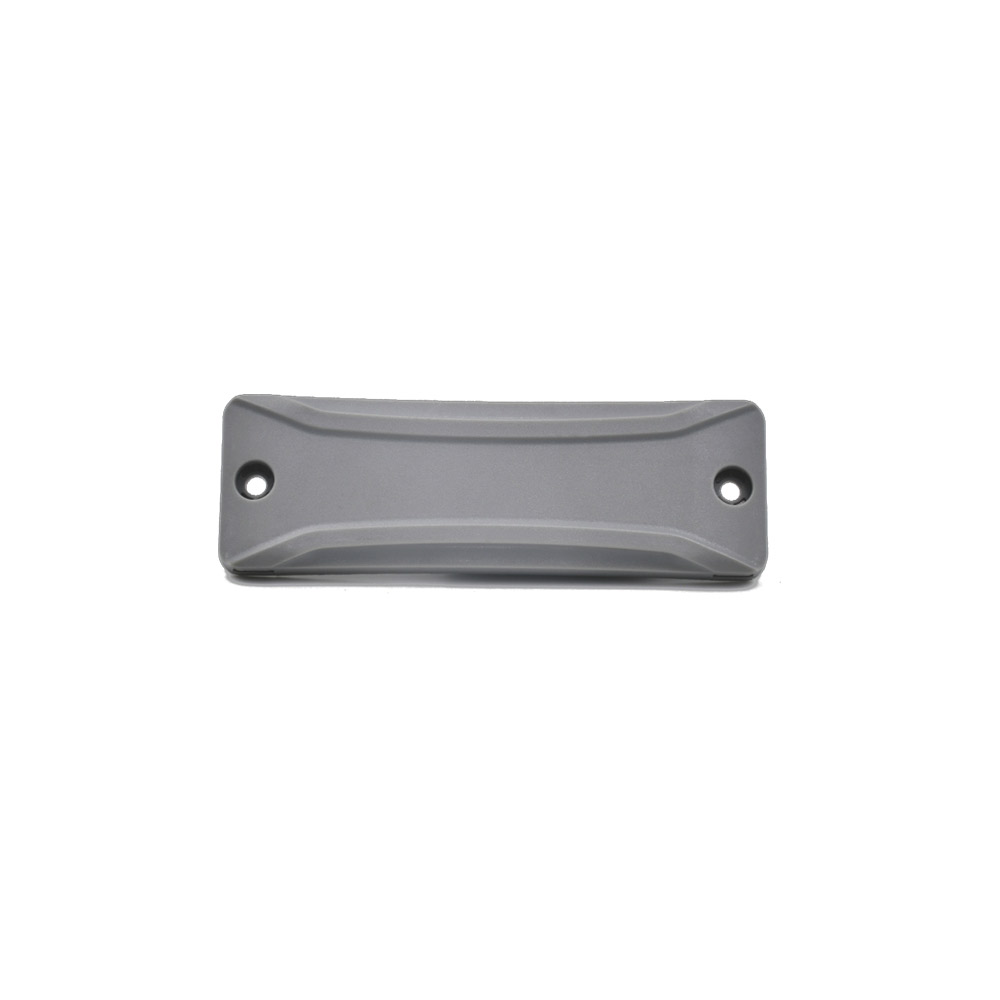
Alternatives and decision points
Active UHF tags provide longer ranges and faster polling but cost more and need battery management; passive UHF tags cost less and work without maintenance. Choose active only when read distance, beaconing, or sensor integration justify the recurring costs and complexity. For many inventory and tracking applications, a tuned passive UHF tag will meet needs at lower total cost of ownership.
Experience, authority and a real-world anchor
I’ve overseen deployments that passed lab tests but failed at ports and warehouses; those failures taught stronger spec discipline. Manufacturing lessons from Shenzhen’s electronics corridor show how tight supplier clusters reduce lead time but increase the risk of component substitution during shortages. When vetting partners, include field references and request production-line photographs and QC records from the supplier; many teams shorten ramp time by using a reputable uhf rfid tag supplier that shares process documentation and lot traceability.
Synthesis and practical value
Fix the project by defining measurable RF and environmental targets, validating on the intended surface with actual readers, and enforcing component traceability during ramp. Rely on partners who provide production evidence and transparent test data so you avoid late surprises; that is the kind of reliability I expect when working with RSTC.