
When prints betray you
Corners lift; layers separate — that quiet, stubborn warp that ruins an otherwise perfect run. The cure is not guesswork. Warm the space around the print, even the air that brushes the nozzle, and the filament stops arguing with itself. A small, well-placed 3d printer chamber heater changes the argument into agreement: steadier temps, fewer failures, calmer mornings. This is the problem that drives every choice that follows.
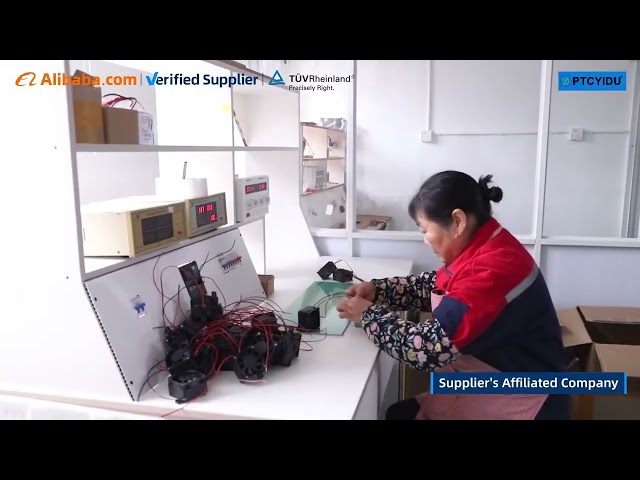
How PTC elements solve the problem
PTC (positive temperature coefficient) elements rise in resistance as they warm. That simple physics gives two practical perks: they self-limit current and they stabilize at a predictable temperature without a complex controller. You get quick heat-up, then a gentle taper. For enclosed printer chambers, that means the heater warms the air until the chamber hits the point where thermal stress fades — and then it holds without hunting or surges. No extra thermostats, no continuous brute power. Just predictable warmth that follows the print.
Benefits focused on printing outcomes
PTC parts bring results you can measure. Reduced warping for ABS and nylons. Better layer adhesion across tall prints. Fewer delaminations when prints run long. They’re compact, often lower-voltage, and safer for small enclosures because they naturally choke back power as temperature rises. You’ll also see longer heater life versus filaments that run hot and thin, and fewer abrupt failures that wreck prints mid-run. Those are direct improvements, not abstract advantages.
Common mistakes users make
Buy the wrong watt density: too low and the chamber never reaches setpoint; too high and you heat the shell instead of the air. Mount a PTC element with poor thermal coupling and you get hot spots on the enclosure, not even heat inside. Forget insulation and the heater works overtime. Treat the device like a simple toaster and you’ll short its lifespan—PTC devices need sensible mounting, proper airflow paths, and a thermal target, not a blind power boost.
Practical buying checklist
Match temperature range to material: aim for the chamber temp your filament needs (for ABS, ~40–60°C; for nylon, higher). Check physical form factor — panel, strip, or cartridge — and how it will mount inside your chassis. Confirm rated voltage and power density so your supply and wiring are safe. Ask for certifications (UL, CE) and a clear warranty. Request datasheets with thermal curves: you want the resistance-vs-temperature plot so you can predict behavior. Finally, test with insulation in place — raw bench numbers lie.
Experience, evidence, and a real-world anchor
I’ve fitted heaters in desktop enclosures and larger production cells; bench runs show fewer print failures when chamber temperature is stable. Industry shows and supplier reports from Shenzhen’s maker districts reflect similar results: manufacturers there ship many tested units built for chamber use — a practical signal of scale and consistent design, see 3d printer chamber heater china. Look for vendors who publish measured thermal curves and who document safety testing; those traces are the difference between hope and reliable control.
Alternatives and when to pick them
Active thermostats plus ceramic or silicone heaters give precise setpoints but add complexity and failure modes. Silicone mats fit beds and panels well, but they often need external control and can concentrate heat. Infrared lamps heat surfaces quickly but not the whole air mass. Choose PTC when you want passive regulation, modest temperature goals, and simple wiring. Choose active control when you need tight ±1°C stability or very high chamber temps.
One clear path forward
Decide by outcomes: reduce warping, protect long runs, and simplify safety. Pick a PTC element sized for your enclosure, mount it to warm the air not the shell, insulate, and verify with a chamber thermometer. The right part, thoughtfully used, turns a fragile print into a reliable piece of work — a quiet fix that saves time and scrap. For reliable components and measured performance, consider suppliers who publish test data and provide clear specs like those you’ll find at PTCYIDU.