

Why These Comparisons Matter Right Now
You unbox a new serum, twist the cap, and feel that smooth glide that promises “premium.” A cosmetic packaging manufacturer sits behind that moment, shaping the bottle, the cap, the pump—and your first impression. Most buyers scan price and look, then hope their cosmetic product packaging supplies won’t fail in hand. Yet 37% of beauty complaints trace back to packaging fit, leakage, or label wear. Injection molding precision, barrier coatings, and airless pumps are not just buzzwords; they decide if the formula stays fresh and the dropper doesn’t drip. (Look, it’s simpler than you think.) So what actually separates a glossy promise from a stable package that performs every day—funny how that works, right?
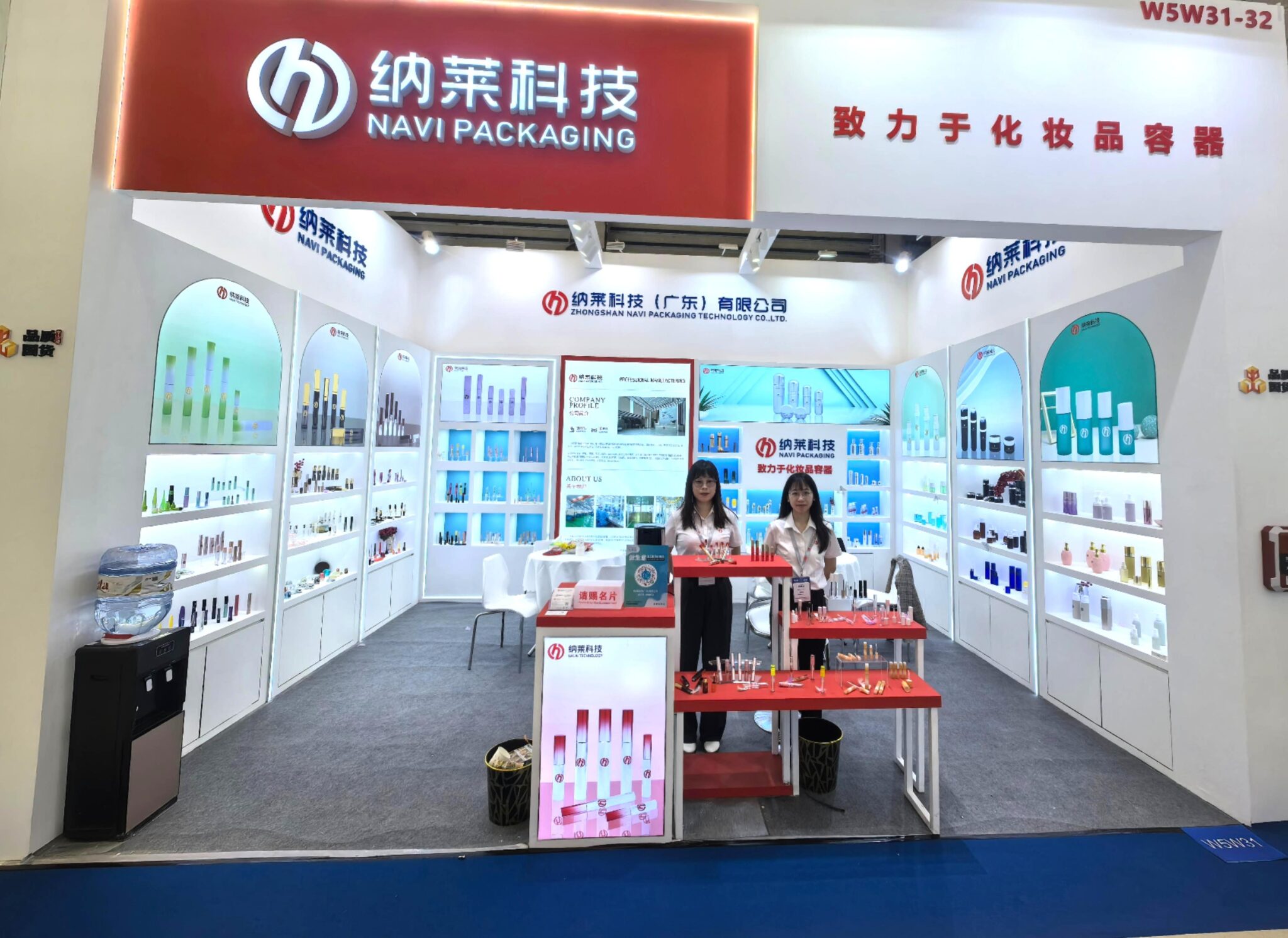
Let’s move from the shelf view to the system view and see where expectations and reality split.
The Hidden Gaps Behind Shiny Bottles
Where do the bottlenecks hide?
Here’s the technical truth. Traditional sourcing compares a cap to a neck and calls it a match. But torque windows, crimping force, and liner compression tell a fuller story. If the coefficient of friction (COF) on a matte varnish is off, labels wander on high-speed lines. If outgassing from inks meets a reactive serum, haze shows up by week four. These flaws rarely appear on day one; they surface after temperature cycling and drop tests—when returns cost more than the part. The fix isn’t more tape or tighter caps; it’s matched tolerances and validated sealing systems across the bottle, actuator, and closure.
Most teams still treat components as parts, not as a system. MOQs push them to mix suppliers, then they chase fit with workarounds. That raises scrap and rework. It also slows launches. The practical path is to start with an assembly map: resin grade, wall thickness, pump stroke, and liner chemistry, all tuned to the formula’s pH and viscosity. Direct? Yes. Effective? Absolutely. And when audits hit, your documentation doesn’t scramble; it stands up. Look, it’s simpler than you think once the variables get named and tested.
From Today’s Tradeoffs to Tomorrow’s Edge
What’s Next
Now, a forward look. New lines use inline vision to read micro-defects at speed, while digital twins simulate creep, seal integrity, and headspace before steel cuts. Plasma surface treatment boosts print adhesion without extra primers. RFID lot tags sync QC data with every pump and bottle—traceable, end to end. This is where advanced cosmetic packaging supplies shift from “nice finish” to “predictable performance.” Compare that with legacy checks that rely on manual torque tests and sporadic leak trials—good, but not enough for active formulas or PCR-heavy blends. The result: fewer line stoppages, cleaner claims, and lower returns. And yes, data makes it feel less like guesswork—funny how that works, right?

So how do you choose smarter without slowing down? Use three clear metrics. First, system compatibility: one spec set that covers resin, barrier, and closure torque under cold, heat, and humidity. Second, process capability: Cp/Cpk on critical dimensions, plus validated seal tests after shipping simulation. Third, sustainable integrity: PCR content and mass balance documented, with no trade-off in drop resistance or pump accuracy. If a partner can show these side by side with costs and lead times, you’re not buying parts; you’re buying outcomes. That’s the comparative edge—practical today and future-ready tomorrow. For a grounded reference point in this space, see NAVI Packaging.