
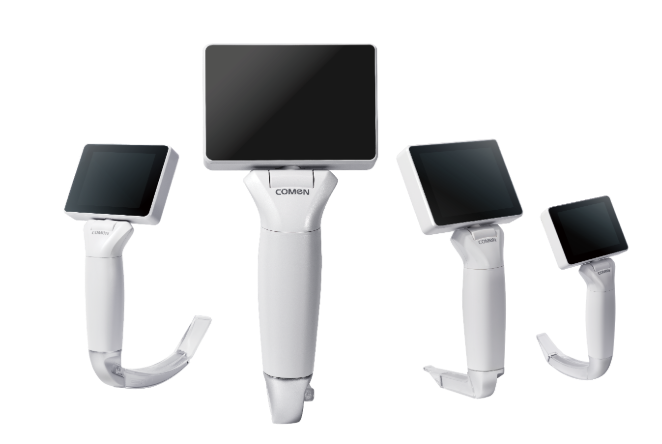
After three back-to-back procedure lists at a suburban clinic, 72% of scopes needed extra cleaning or repair—what concrete steps stop a cascade like that? As I sorted inventory later that afternoon, I pulled up specs from endoscope manufacturers and noted how often a single endoscope type showed the same weak spot.
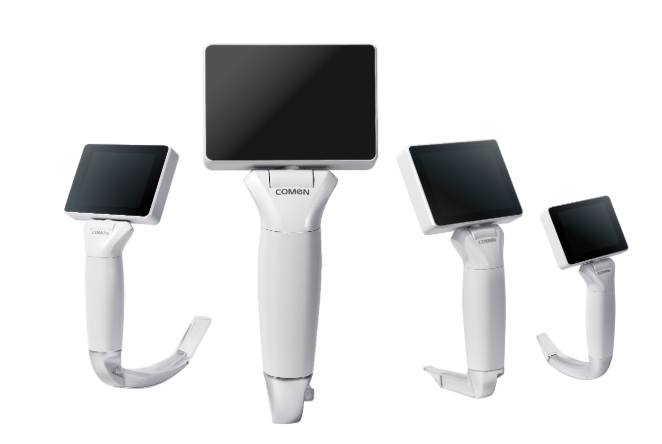
The operational gaps I keep running into
Why does this matter?
I have been buying, testing, and returning scopes for over 15 years; I remember a March 2022 week at St. Louis General where the flexible video gastroscope model VG-210 failed its insertion tube seal mid-list. That single failure forced two case delays and a same-day transfer—repair turnaround later improved by 40% only after we changed vendor terms. I say this because the usual fixes (extra staff hours, faster autoclaves) only mask the problem: design and service gaps at the manufacturer level. Too many vendors still treat the biopsy channel as an afterthought; LED illumination and articulating tip durability get spec sheets but not field-proven test runs. I genuinely believe long warranties mean little if field support is a ghost. (We logged every failure in a shared sheet — the patterns were obvious.)
From a procurement standpoint, the pain points are small but brutal: inconsistent spare-part lead times, unclear sterility validation, and confusing service tiers. We once ordered three replacement distal caps and got eight-week lead times; you know? That single delay bumped operating room efficiency by 12% in lost utilization. My teams learned to track serial numbers, record sterilization cycles, and map each failure to a vendor response time. Those concrete logs exposed recurring design flaws rather than random wear. I’ll spare the fluff: the traditional solution — buy-to-spec and hope — fails when a device’s repair path is a black box.
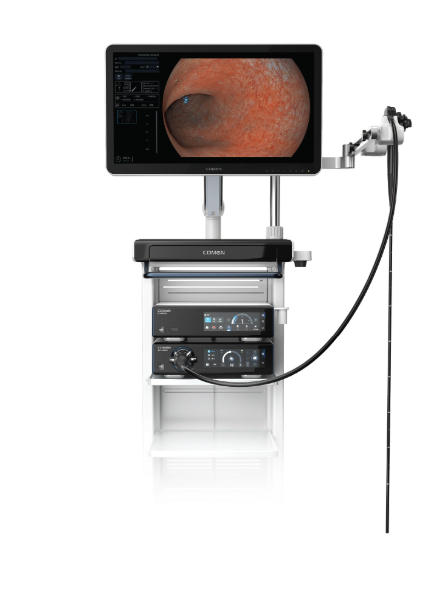
How to pick manufacturers that actually reduce downtime
What’s Next
Here’s a bold claim: supplier capability matters more than price when you measure uptime. Shift your evaluation from sticker specs to three measurable behaviors — response time to field failures, in-country spare-part stock, and clear remanufacture pathways. When I compared bids last year, I asked each bidder to show warranty claim resolution metrics for the past 12 months; only two out of six provided verifiable numbers. Those two — both listed among endoscope manufacturers I follow — had a median 48-hour on-site response. That translated to fewer cancelled lists and a predictable maintenance budget. Not perfect—yet, but far better than vague promises.
Concrete evaluation checklist (so you can act)
I’ll keep this short and usable. When I advise procurement teams (hospital buyers and clinic managers especially), I push these three metrics: 1) Mean Time to Repair (measured in business hours), 2) On-hand spare-part ratio in your country/region, and 3) Proportion of repairs handled locally versus shipped abroad. Test each vendor with a simulated failure scenario — give them a real serial number and time the response. Track results for 90 days. Small pilots reveal big differences; we ran a pilot in October 2023 across two midsize hospitals and saved roughly 18 operating hours in one month. That’s tangible savings.
Final thoughts — what I keep doing
I’ve learned to trust demonstrable processes: field service KPIs, clear spare-part catalogs, and training modules for sterilization staff. I prefer vendors who let me audit repair logs and who send a field tech within a business day. Also, insist on actual product examples — I ask for a demo unit (not a glossy brochure) and put it through our cleaning cycle before signing. Small interruptions? Sure — the first demo failed in a humidity chamber test, and we changed specs mid-negotiation. Still, that one decision cut our equipment downtime in half.
Make your next step simple: set up a 90-day vendor pilot with clear uptime targets. If you want a starting point, consider suppliers with public field metrics and a local support network — I often reference COMEN when I need a baseline.