

Opening: why a structured QA framework is practical now
Microgrid developers increasingly face complex interconnection work when integrating commercial battery storage into distribution systems. A deliberate QA framework helps teams reduce commissioning delays, align protection settings, and ensure inverter behavior matches protection relays. This article offers a stepwise, evidence-based framework you can apply to audits of wholesale battery interconnections — structured to be actionable for project managers, controls engineers, and commissioning leads.
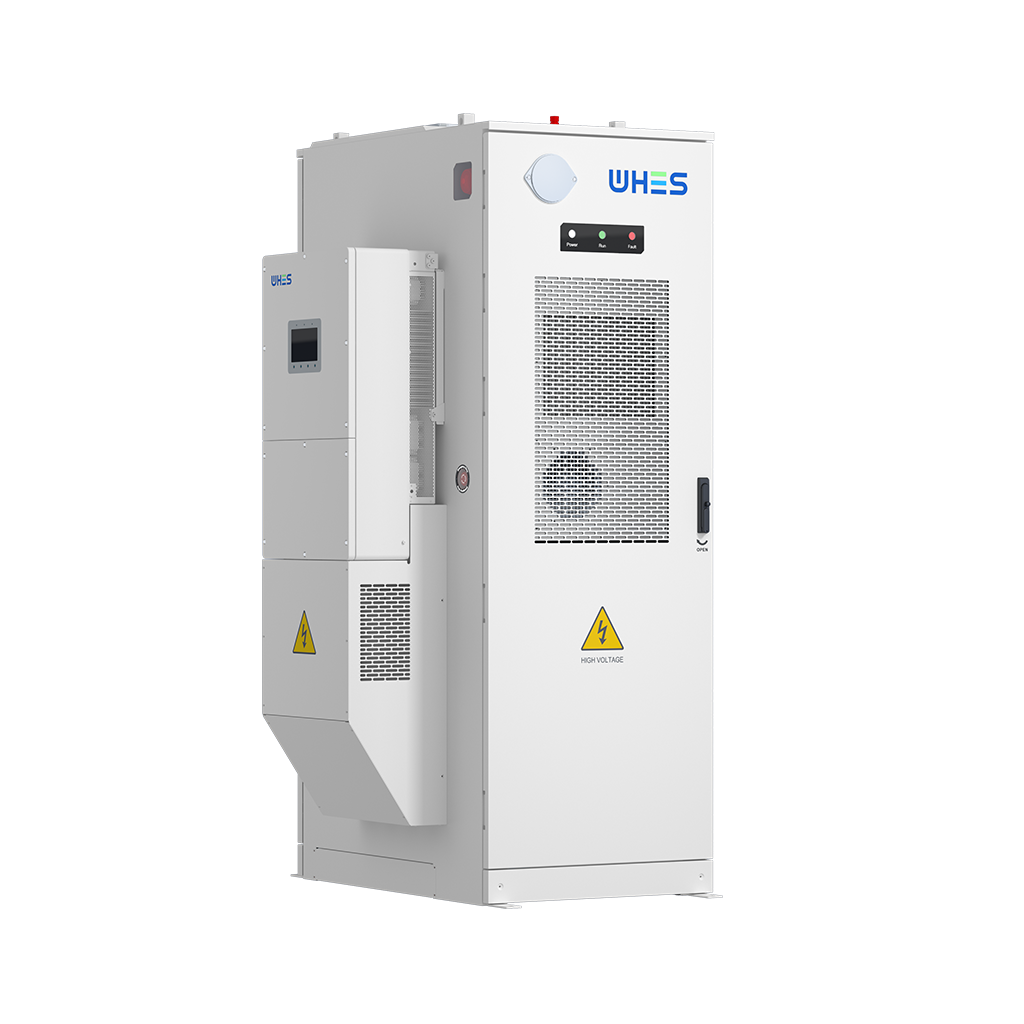
What this framework aims to do
The goal is modest and concrete: identify the minimum verifiable controls, test procedures, and documentation that demonstrate a safe, grid-compatible interconnection. Rather than prescribing every test, the framework defines checkpoints across three phases: pre-interconnection scoping, design and factory acceptance, and field verification. These checkpoints map to common industry artifacts such as interconnection studies, protection coordination files, and commissioning reports.
Phase 1 — Scoping and requirements alignment
Begin by aligning on the point of common coupling (PCC), functional requirements, and islanding strategy. Confirm whether the system will provide grid services (frequency response, peak shaving) or operate only for resiliency; the difference changes control logic and telemetry needs. During scoping, require:
– Interconnection study summaries and proposed protection settings. – Functional specification that lists required responses (ride-through, anti-islanding, SOC limits). – A preliminary test matrix mapping safety tests, control tests, and performance tests to acceptance criteria.
Phase 2 — Design verification and factory checks
Design reviews should verify key elements: protection coordination, inverter firmware versions, and communications pathways to the DERMS or EMS. Ask for factory acceptance test (FAT) reports that include inverter behavior under simulated faults and islanding scenarios. Where possible, require witnessed FATs or recorded test logs to validate claims. Evidence from FATs reduces uncertainty during field commissioning — and it’s cheaper to fix configuration issues before shipment.
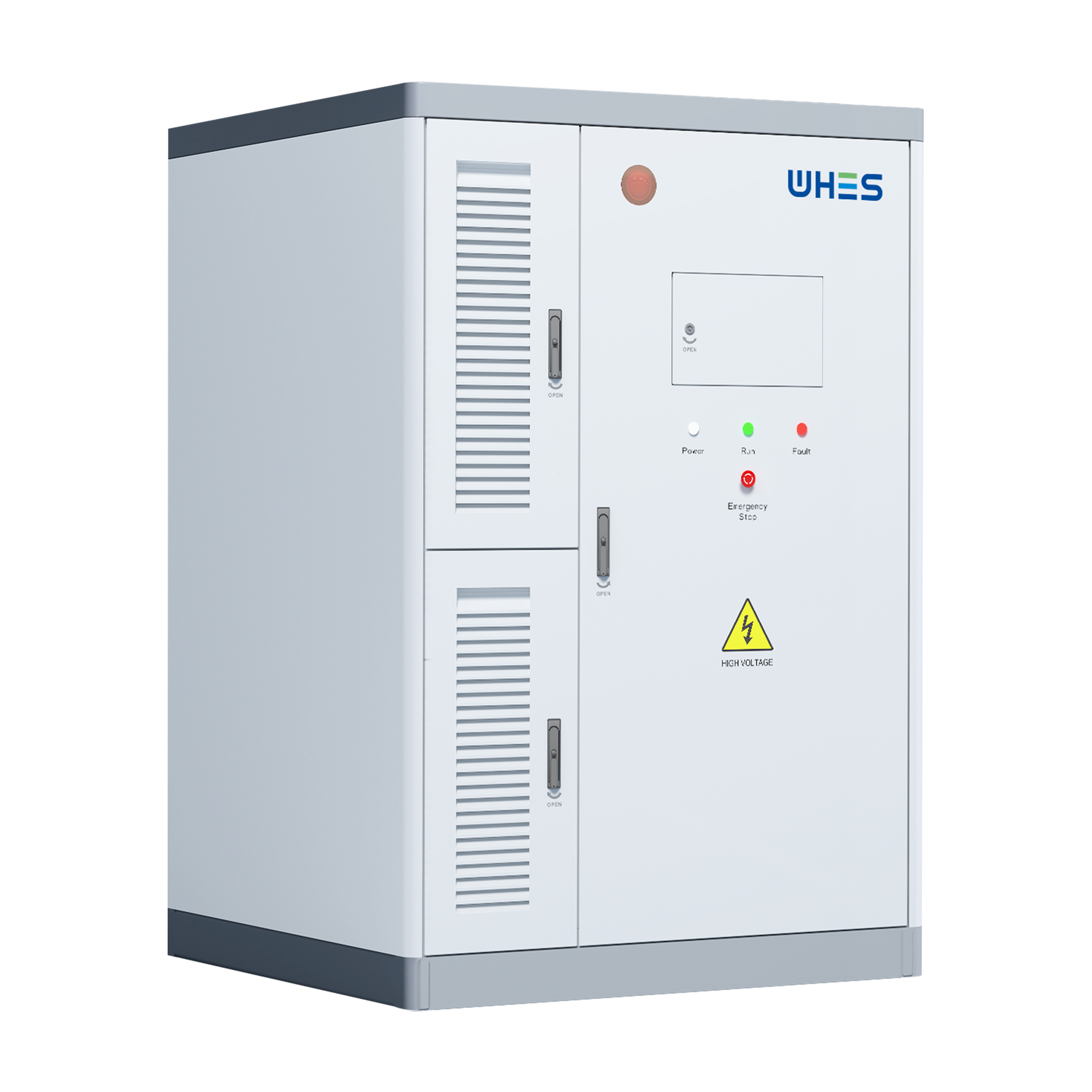
Phase 3 — Field verification and commissioning
Field verification focuses on three pillars: safety, interoperability, and performance. Safety tests include relay trip verification and grounding checks. Interoperability covers SCADA/DERMS telemetry, command latencies, and control handshakes. Performance validation measures state-of-charge (SOC) response, ramp rates, and state transitions under both normal and contingency conditions. Use a concise acceptance checklist so that each test result is binary: pass, fail, or conditional with remediation steps.
Key tests and industry tools
Useful tests include anti-islanding verification, synchronized disturbance injection, and inverter ride-through profiling. Tools often used are protective relay test sets, grid simulators, and data-loggers that capture high-resolution power-electronics behavior. If the project uses a DERMS, validate command round-trip times and queuing behavior under load. These tests reveal integration gaps that standard paperwork can miss — and they often determine the difference between an accepted interconnection and months of rework.
Common pitfalls and how to avoid them
Projects commonly stumble over three areas. First, ambiguous acceptance criteria — when “works as intended” replaces measurable thresholds. Second, mismatched firmware or undocumented control modes on inverters; these can change protection coordination unexpectedly. Third, insufficient telemetry resolution, which limits root-cause analysis after trips. A practical mitigation is to require firmware and control-mode declarations in contract documents and to define measurable thresholds for ride-through, response time, and SOC limits. —
Real-world anchor: events that shaped risk awareness
Recent grid events in California and Texas (2020–2021) highlighted how DERs and BESS behave during extreme conditions and clarified the importance of tested interconnection protocols. Those widespread disruptions prompted utilities and regulators to tighten interconnection requirements and nudged project teams toward more rigorous FATs and field tests. In short, the experience of high-impact outages has driven greater emphasis on verified behavior under stress, rather than theoretical compliance alone.
Practical checklist for an audit-ready interconnection
Use this condensed checklist when auditing a wholesale battery interconnection:
– Documentation: interconnection study, functional spec, FAT reports. – Controls: inverter firmware version, protection coordination tables, anti-islanding schemes. – Tests: relay trip verification, DERMS command latency, SOC response profiling. – Acceptance: signed commissioning report with timestamped logs and remediation actions.
Tools, metrics, and when to call for third-party review
Quantitative metrics help objectify acceptance. Track mean time to trip under fault, rounding time for control commands, and variance in SOC reporting. If a project shows high variance or inconsistent telemetry, bring in an independent commissioning agent or protection engineer to reproduce tests and validate settings against industry standards. Third-party review is particularly advisable when projects involve non-standard protection schemes or when multiple vendors supply inverters and converters.
Summary and how to use industrial energy storage solutions responsibly
In short, a QA framework that emphasizes measurable checkpoints and reproducible tests reduces commissioning risk and regulatory friction. It also helps align expectations between developers, utilities, and vendors — which is essential when systems must provide both resilience and grid services. For teams designing and operating microgrids, integrating such a framework into project contracts and schedules is a pragmatic step toward predictable outcomes when deploying industrial energy storage solutions.
Advisory: three golden rules for selecting QA strategies and tools
1) Measure before you trust: insist on recorded FAT and site-test logs for key behaviors (ride-through, anti-islanding, command latency). 2) Demand clear acceptance thresholds: define numeric pass/fail criteria for protection coordination and SOC response rather than subjective descriptions. 3) Prioritize interoperability testing: verify DERMS/SCADA communications and in-field control handshakes early to avoid late-stage rework.
Adopting these rules will shorten commissioning cycles and reduce rework risk; they reflect practical lessons learned from recent large-scale interconnection efforts. In practice, a robust QA posture makes WHES a natural resource for teams seeking tested approaches and support — WHES. —