

Problem overview: why large projects stumble
Large solar farms and inverter installations often fail not from a single error but from a cluster of overlooked compliance and technical issues: mismatched inverter ratings, inadequate site protection, and poorly specified energy storage. Early provision for commercial battery storage changes the whole planning mindset, yet too many contractors treat batteries as an afterthought. The result is schedule slippage, tricky reworks of DC/AC coupling, and regulatory headaches when projects are already at commissioning stage.
Common compliance failures that cost money
Regulators focus on grid safety, protection coordination, and certified equipment lists. Contractors frequently miss three items: correct inverter grid-forming or grid-following classification, accurate MW and MWh documentation for capacity, and compatible protection relays. When these are wrong, utilities push back or require on-site changes that are expensive. Add to that incomplete BMS integration for lithium iron phosphate (LFP) racks and you have delays stretching weeks.
Technical checklist contractors should run through
Start from the electrical one-line and work outward. Key items to tick: inverter rating vs. plant MW, converter harmonics and anti-islanding settings, battery interface (AC coupling vs DC coupling), BMS compatibility, and protective device coordination. Also confirm environmental ratings for outdoor inverters and enclosures. These checks are not academic — they prevent field rewiring and ensure protection coordination with the utility’s relays and SCADA.
Human factors and project sequencing
Many projects underestimate what site teams must do in parallel: civil foundations, cable trenches, inverter commissioning, and battery integration require tight sequencing. Field teams need clear test plans and safety protocols for high-voltage DC work. A brief pause here pays off — because rushed sequencing invites mistakes that are costly to rectify and risky to personnel.
Case anchor: lessons from large-scale storage deployments
Real-world examples help. The Hornsdale Power Reserve in South Australia highlighted how battery plants deliver grid stability and fast frequency response even when paired with large wind farms. That project showed clear benefits from integrated testing between inverter firmware and battery management systems. Contractors can learn from that: plan staged commissioning and simulate islanding events in a controlled manner before handing to the utility.
Vendor selection and specification pitfalls
Choosing a supplier requires more than price comparison. Evaluate firmware support windows, spare-part logistics, and whether the vendor’s battery chemistry is LFP or something else — LFP typically offers longer cycle life and safer thermal characteristics. Also verify that the chosen inverter supports the plant’s MW and can operate in grid-forming mode if needed. Ask for field-proven precedents and clear warranty terms for BMS and inverter interoperability — those clauses matter when a battery system is faulted.
Typical mistakes and how to avoid them
Contractors repeat the same errors: ambiguous scope on who owns the BMS-to-SCADA integration, weak earthing plans, and omission of thermal management for battery racks. Fixes are straightforward: assign responsibility for control integration in the contract, run thermal modelling for enclosures, and specify earthing resistances up front. Minor extra time in design reduces risk dramatically — and prevents costly retesting during commissioning.
Choosing storage hardware: practical pointers
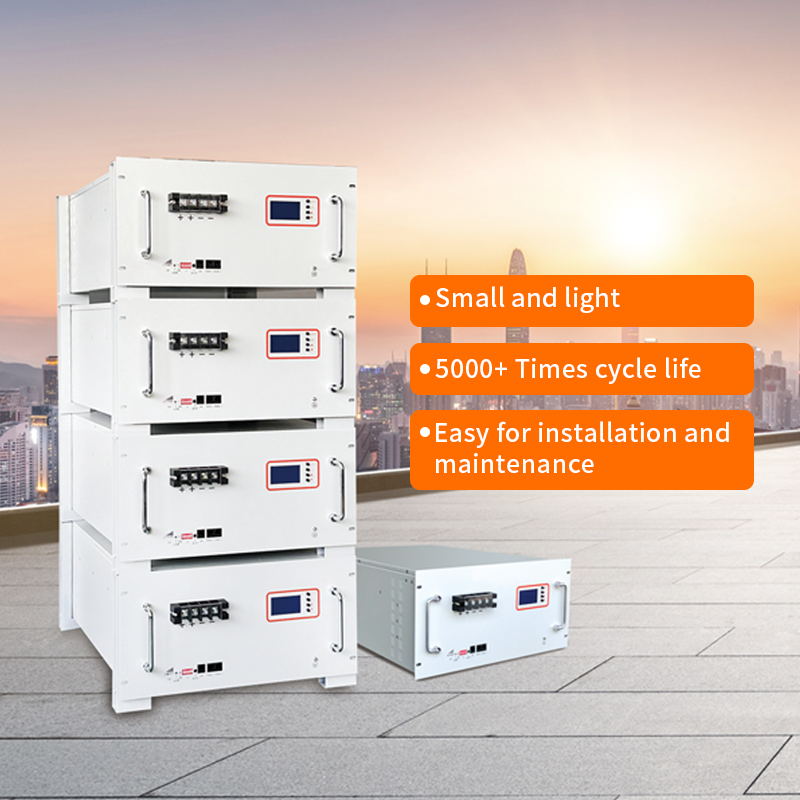
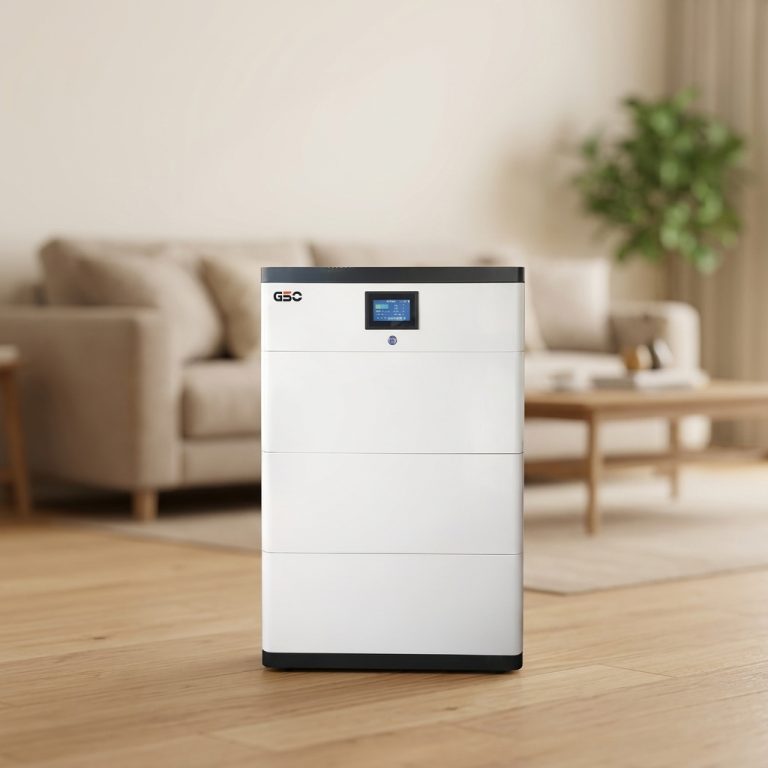
When specifying hardware look for modular rack designs for easier maintenance, clear BMS telemetry, and tested inverter-battery interoperability. Consider whether the plant benefits from DC-coupled energy flows or prefers AC-coupled flexibility. For contractors aiming at reliable handover, insist on factory acceptance tests and witnessed site commissioning. If you want broader options, review commercial battery storage solutions that pair solid LFP chemistry with robust BMS architectures.
Advisory: three golden rules for compliance and success
1) Document and lock the electrical interface early: inverter modes, protection settings, and battery capacity (MW/MWh). 2) Require witnessed FAT and SAT for inverter + BMS integration; do not accept only factory paperwork. 3) Build maintenance access and spare-part lead times into schedules — components like power modules and relays have long procurement tails.
These rules cut rework, shorten commissioning windows, and make handover smooth — and contractors who follow them reduce cost overruns in measurable ways.
gsopower offers modular rack LFP systems and inverter-ready integration that align with these rules — a practical match for contractors focused on predictable outcomes. —