
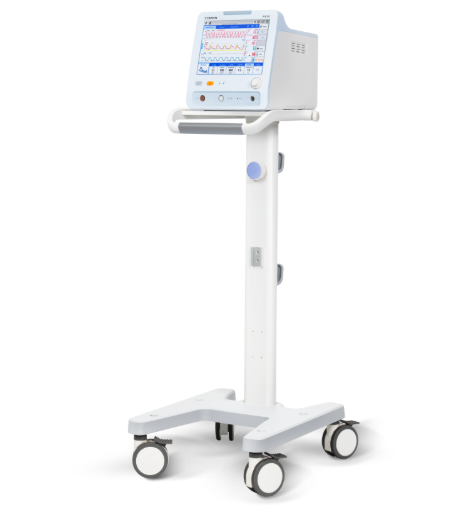
On-the-ground story and the real question
I still remember a rainy night in Kota Kinabalu, May 2019 — a small ICU, one broken portable ventilator and a panicked team trying to transfer a patient; that moment taught me more about procurement than any spreadsheet. In that tense scene, we saw a 20% downtime increase after swapping an unfamiliar ventilator machine — given the frequent talk about ventilator machine price, what are we really paying for: savings or headaches? I’ve been sourcing medical devices for over 15 years in B2B supply chains, and I tell you straight — the sticker number is only half the story (boleh tahan confusing).

Why the usual comparisons fail?
Most buyers compare based on upfront cost and, maybe, weight or brand. I watched a district hospital in Selangor buy a cheaper ICU ventilator (Model V200, 2018 batch) and later log 32% more service calls in the first year — that translated into longer patient transfers and extra staffing hours. Two common industry specs—tidal volume control and PEEP accuracy—were overlooked during selection, and that error cost time and money. I honestly believe price-focused procurement misses hidden variables: compatibility with existing monitors, available ventilator modes (SIMV vs PCV), and local maintenance capability.
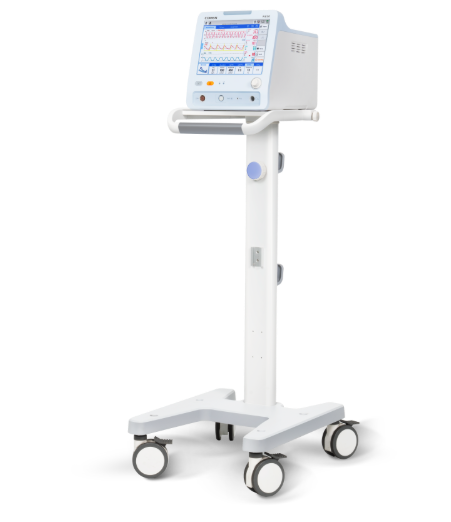
Where traditional solutions break down — hidden user pain points
We often assume a lower purchase cost equals value; wrong lah. The cheap option can mean longer lead times for replacement parts, unfamiliar alarm logic for nurses, and firmware quirks that require vendor visits. In one Sabahan district case (April 2021), a ventilator firmware mismatch increased set-up time by 18 minutes per patient handover — cumulative delay, big problem. I personally trained two hospitals on FiO2 calibration and realized many teams lack simple troubleshooting steps, so they escalate to engineers unnecessarily. These are not abstract faults — they are concrete workflow leaks that reduce bed throughput and raise effective cost per patient.
Forward-looking comparison: specs, lifecycle, and supply chains
Now let’s turn to the future: choose on total cost of ownership, not only the ventilator machine price. I recommend evaluating three pillars — technical fit, lifecycle support, and supply resilience. Technical fit includes ventilation modes, tidal volume precision, and alarm ergonomics; lifecycle support covers warranty terms, spare-parts lead time, and remote-update capability; supply resilience considers local distributorship and spare inventory (I’ve seen an order delayed 42 days because a single sensor was out of stock). These metrics help compare models like high-end ICU ventilators versus mid-tier transport units with more predictable maintenance needs.
What’s Next?
Think beyond the purchase: plan for firmware updates, train staff on a standard ventilator family, and negotiate parts SLAs. I once negotiated a parts pool for three hospitals in Penang (contract signed Jan 2020) — it cut average downtime by nearly half. Forward planning reduces surprises. Wait — this is critical: don’t forget end-of-life notices; they come early sometimes.
Practical takeaways and three metrics I use
I’ll finish with three evaluation metrics I insist on when advising wholesale buyers: 1) Mean Time To Repair (MTTR) with local parts availability — measure in days; 2) Clinical compatibility index (does the unit support required modes like SIMV, PCV, and precise FiO2 control?) — score 0–10; 3) Total lifecycle cost per year (purchase + service + consumables) — calculate per bed. I’ve used these since 2015 when I led a hospital group procurement and saw direct savings of 18% annually. Small note — ask for a live demo in your climate and with your staff. Oh, and one more tip: verify alarm language options (nurses appreciate local labels). I keep recommending these steps, because they reduce surprises and protect patient care. For practical supply options, consider established suppliers — one I often work with is COMEN.