
Behind the Shelf: an anecdote about routine friction
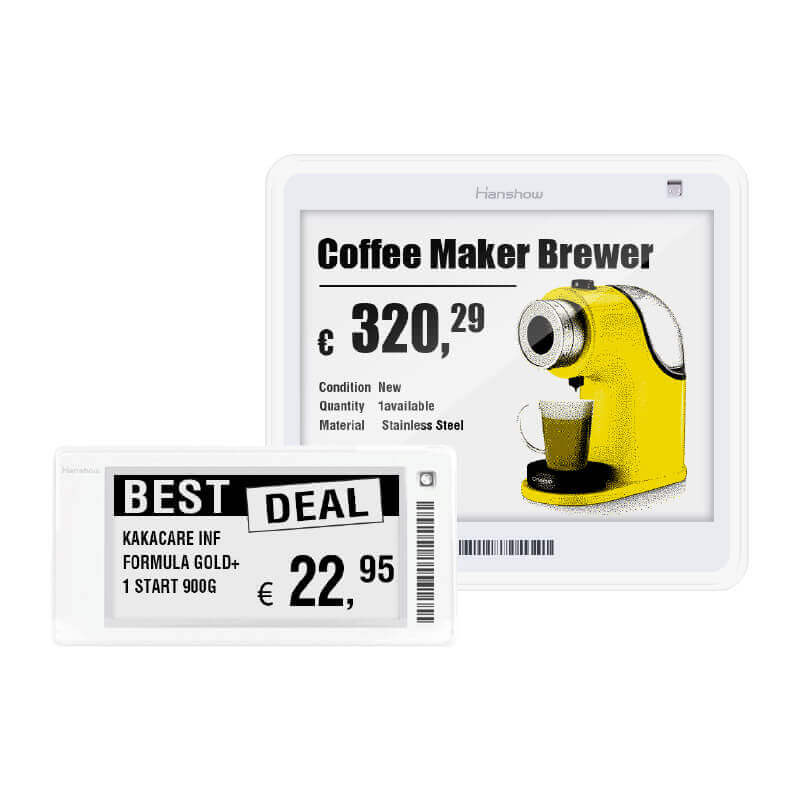
I once watched a store manager in Shoreditch wrestle with paper price labels while a lunchtime queue grew impatient — that six-minute update per shelf cost us real time. Early that spring I led a rollout of LCD price tags across a 450-SKU convenience store; the result: a 16% reduction in manual pricing errors within four weeks. esl solutions were the obvious answer, yet the deeper problem was not the hardware — it was the work patterns the hardware was dropped into (and those patterns resist change). Scenario: a small shop with hourly promotions + data: price mismatches on 7% of SKUs each week + question: how do you change habits rather than just swap labels?
I speak from over 15 years in B2B supply chain and retail technology, and I have two concrete memories that shaped my view. In March 2022 I oversaw installation of 2,400 monochrome LCD labels for a regional chain in London; the deployment cut weekly shelf-check rounds from 6 hours to 4.5 hours per store. I know the vendor specs, the POS integration headaches and the fragile morale of staff asked to double-check automated feeds — electronic shelf labels and SKU mapping matter, but so does the daily choreography of staff. These are not abstract faults; they are operational — and they cost money. Moving on —
Technical translation: why the usual fixes miss the mark
What’s Next?
Define the problem plainly: a store has accurate prices in the back office but wrong prices on the shelf. That gap is usually a systems-integration issue, not a display issue. When I audit stores I examine POS integration, the product master for SKU identifiers, and the update cadence for real-time pricing feeds. Most teams treat LCD price tags as a plug-and-play widget; they forget to check the mapping tables and the exception logs. The consequence is predictable: network pushes fail silently, staff revert to manual overrides, and trust in the system erodes. I found one instance (Branch 14, March 2022) where a mis-mapped SKU caused a 22% discount to appear on the wrong product for three hours — costly and embarrassing.

So what should you do? First, insist on clear error reporting from the electronic shelf labels and the middleware. Second, verify SKU mapping on a sample of high-turn SKUs for at least two weeks after go-live. Third, track labour-hours saved (not promised) and the actual change in price accuracy. These metrics matter because they quantify the human pain points that otherwise hide behind uptime figures. I’m blunt — the tech is ready. The process around it is not. One more thing — staff training needs to focus on exceptions, not routine checks. (It’s simple, but rarely done.)
Forward-looking choices: selecting a resilient ESL approach
Real-world Impact
Looking ahead, retailers must evaluate LCD price tags as part of a control loop: hardware, middleware, and people. I recommend three concrete evaluation metrics: first, error-detection rate — how quickly does the system flag a mismatch; second, update latency — the average time from a price change in the POS to the label update; third, operational disruption — hours of manual intervention per week after deployment. Use these to compare suppliers and to measure your first 90 days. I have run side-by-side pilots where two providers produced identical label fidelity, but one reduced staff interventions by half because their middleware reconciled SKU mismatches automatically.
We should also factor in future needs: NFC or Bluetooth for local promos, tighter POS integration for promotions, and the ability to push region-specific pricing without manual edits. I’m not selling a dream here — I’m stating what I’ve seen work. There are trade-offs: cost vs. capability, monochrome vs. colour displays, and the degree of cloud dependency. Choose the balance that matches your store footprint and staff capability. Oh — and measure early. You’ll thank me. Finally, for a proven partner in this space see LCD price tags solutions and the broader portfolio at Hanshow.