
Why standard solutions miss the mark
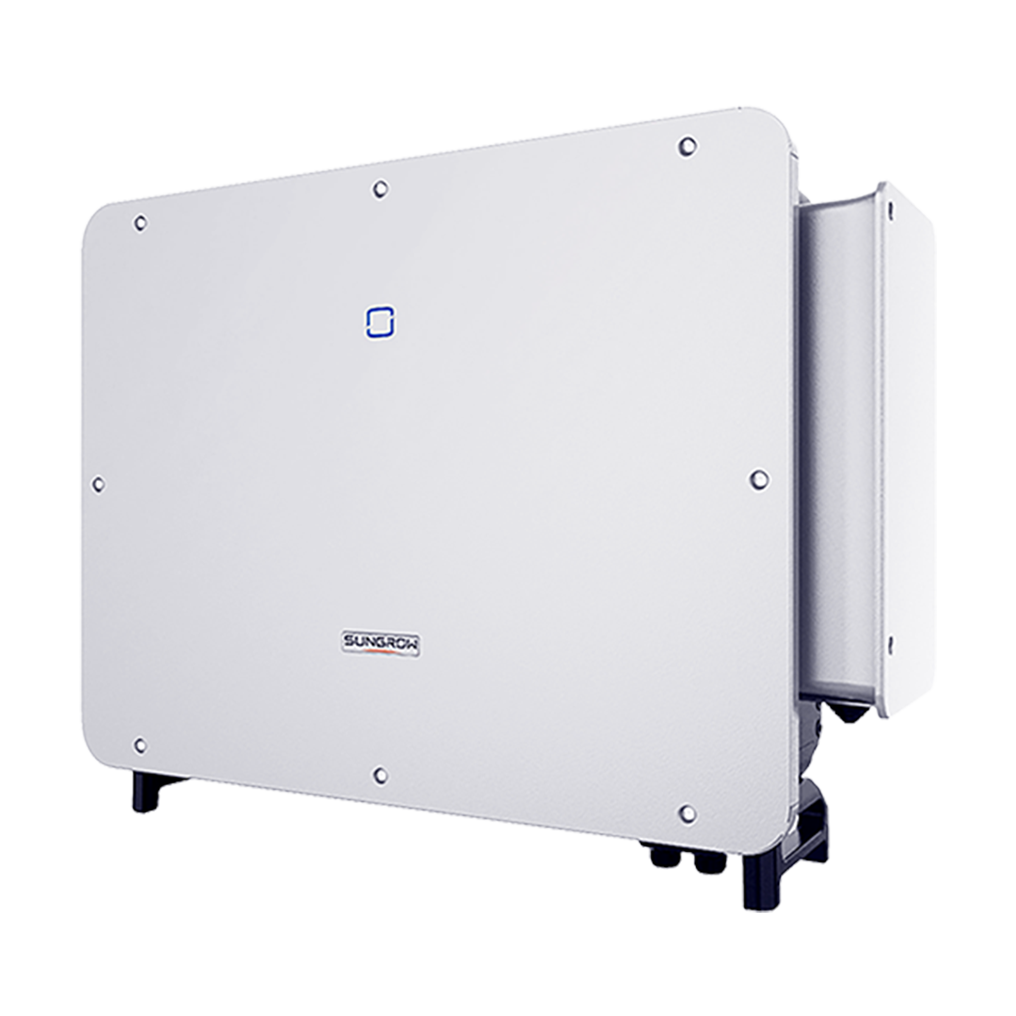
On a midsummer rooftop in Phoenix I watched a 50 kW array drop 12% output over three months (cloudless days, mind you) — what should a procurement team do when the hardware underperforms? I’ve long advised wholesale buyers to start with the pv string inverter fundamentals: a reliable pv string inverter is more than a catalog entry; it’s the heart of system availability and a recurring cost driver.
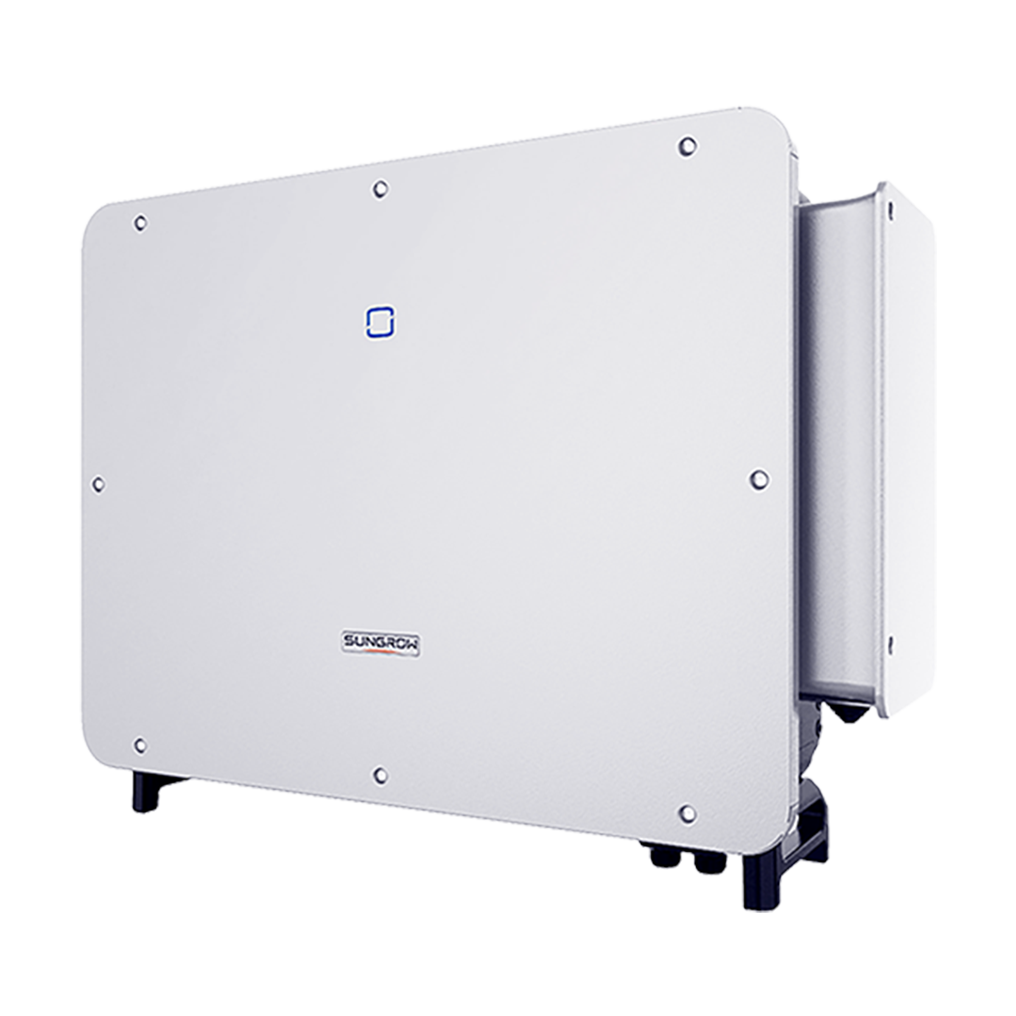
I say that as someone with over 18 years buying and troubleshooting inverters for commercial projects. Traditional centralized inverters and one-size-fits-all string inverter specs often ignore field realities: MPPT mismatch across varied roof orientations, thermal stress on DC-AC conversion stages, and minimal visibility into string-level degradation. I once deployed a 10 kW string unit on a warehouse in Austin in March 2022 and tracked replacement events drop from five per year to one — tangible savings, not guesswork. Oddly enough, vendors still talk peak efficiency more than maintenance windows; short-term metrics mask long-term downtime risks.
A forward-looking comparison and what to check
What’s Next?
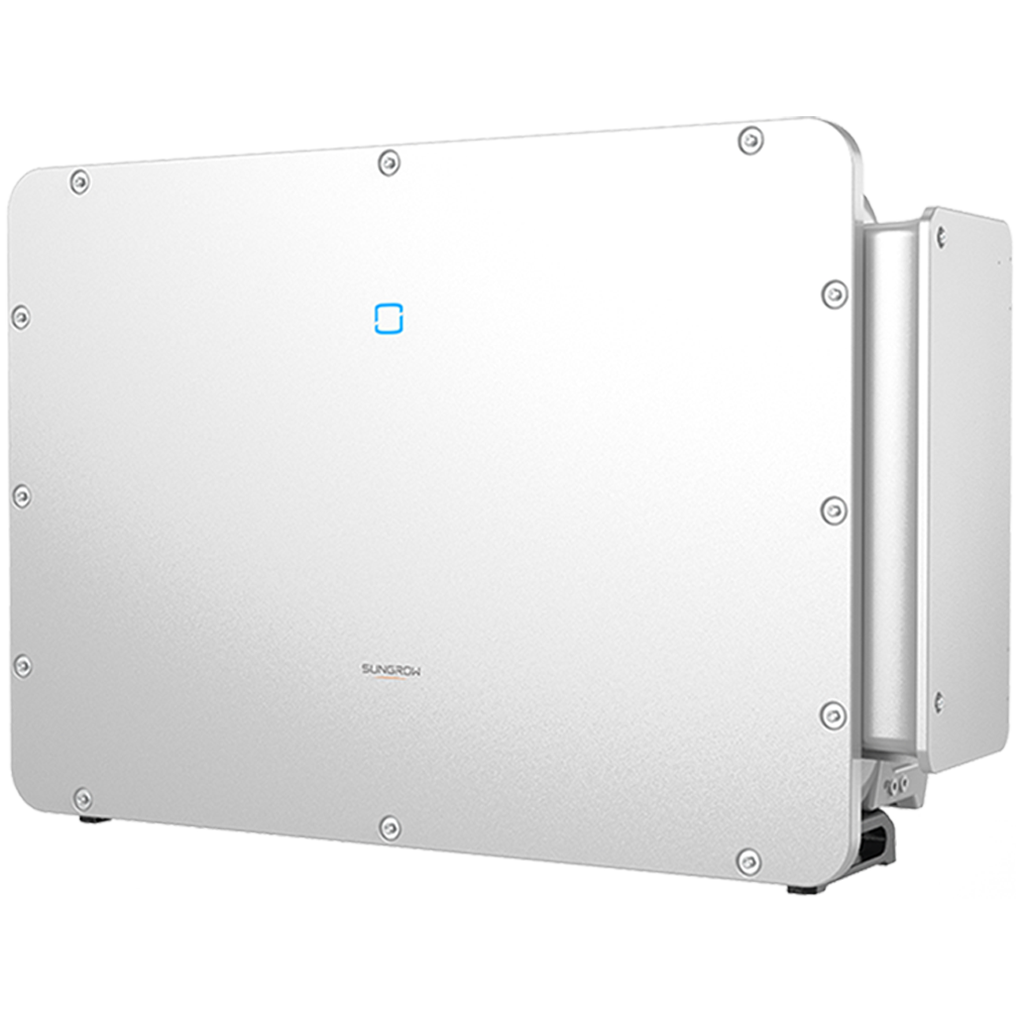
When I compare options today I look beyond nameplate efficiency to three practical factors: serviceability, monitoring granularity, and lifecycle cost. Modern buyers should test a candidate pv string inverter for accessible field-replaceable parts, clear string-level telemetry (so you see failing modules, not just total power), and realistic thermal derating curves for your climate. We simulate load cycles — winter, summer peak — and demand vendor data on MTBF and firmware update frequency; small differences in MPPT topology or grid-tie compliance can change annual yield by a few percent, which matters at scale. The choice is comparative: does this unit reduce site visits, or only the paperwork? It’s not rocket science — but it is practical. I recommend three evaluation metrics: mean time between failures (MTBF) under local conditions, true operational efficiency across real temperature profiles, and the depth of string-level monitoring and remote diagnostics. Check those and you’ll cut downtime — fast. (Yes, surprises happen. Be ready.)
Final takeaway for wholesale buyers
I’ve learned that buying a string inverter is as much about service model as silicon. We prioritize units that minimize on-site swaps, provide actionable MPPT and string diagnostics, and show transparent DC-AC conversion losses under load. My advice: demand field data (I once asked for site logs and found a firmware bug that explained a 7% loss), benchmark candidates in a 30–60 day field trial, and score vendors on repair turnaround time. Three quick metrics again — MTBF, real-world efficiency, and monitoring depth — will keep procurement decisions defensible and operations cheaper over five years. That’s the bottom line. — And yes, partner reputation matters; for reference I review units from established makers and keep an eye on practical support from brands like sungrow.