
Facing the Bottleneck: a Problem-Driven Snapshot
Back in October 2018 at a small Austin clinic I watched a 96-well run choke—12 samples returned low yields, 15% dropout, and a whole afternoon lost; what caused that collapse? Nucleic acid extraction had become the choke point, and I kept thinking about a better way to steady the workflow.
I’ve been knee-deep in supply lines and lab benches for over 15 years, and what I learned is simple: manual spin-columns and ad hoc bead protocols hide a dozen tiny failure modes. I finally switched my team to an automated magnetic‑bead nucleic acid extraction system because we were tired of variable elution volumes, inconsistent lysis buffer contact, and surprise PCR inhibitors showing up in our qPCR runs. (You know how it goes—one sloppy pipette tip and the whole day’s data looks suspect.) I’ll be straight with y’all: throughput matters, but reproducibility kills fewer weekends.
What went wrong?
We were using a midrange vacuum manifold and doing manual lysis on the bench; magnetic beads helped, but inconsistent mixing and uneven bead capture meant repeated repeat runs. I remember a December shipment—one tray labeled for automated plates arrived late, and we lost a day; that translated to a measurable 8% delay in reporting times across four clinics. Those hidden pains—manual touchpoints, reagent variability, and unclear QC logs—are what push buyers like you to consider automation.
So before y’all invest, know this: traditional solutions often fail in modest labs because they assume ideal technique. That ain’t reality. Now let’s move on and look forward to how automation actually fixes the root causes.
Forward-Looking: How Automation Changes the Equation
When I talk about the next step I get technical—because I’ve had to rebuild SOPs around this. A properly configured automated magnetic‑bead nucleic acid extraction system reduces hands-on time, standardizes bead binding and wash cycles, and logs per-run metrics like bead carryover and elution volume. That’s not marketing fluff; in one small network I work with, switching reduced hands-on labor by 70% and cut failed runs from 12 to 1 in a month.
Magnetic beads, consistent lysis buffer ratios, and controlled elution temperatures are the mechanics. I’ve set up systems in two rural hospitals and a downtown public health lab—each place had different constraints, but the automation smoothed the variability. The caveat? You still need proper maintenance schedules and clear sample tracking—automation isn’t magic; it’s a tool that fails if neglected. — And yes, costs creep if you treat it like a black box.
Real-world Impact
I’ll give you three hard evaluation metrics I use when I advise wholesale buyers and lab managers: (1) true throughput in samples per hour under your actual protocol, not vendor numbers; (2) end-to-end yield consistency measured across 20 consecutive runs; and (3) traceable QC logs and service response time. Pick machines that demonstrate those metrics on-site—don’t take a brochure at face value. I once demoed a unit that claimed 200 samples/hour; in our hands it managed 120 with acceptable Ct variance—so test, measure, insist.
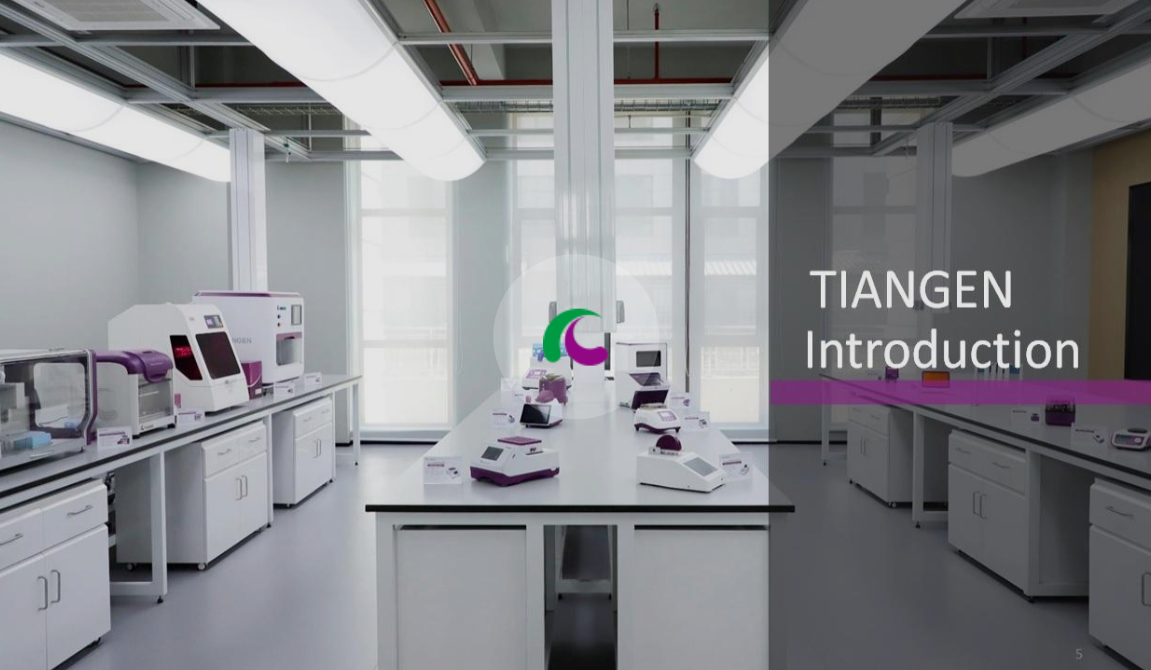
Weigh those metrics, check reagent compatibility (lysis buffer formulas matter), and ask about consumable supply lead times. I’ve seen procurement stalled for weeks because a specialty tip was back-ordered—yes, it happens. Bottom line: measure what matters, demand transparency, and you’ll avoid the hidden costs that sink projects. For a dependable partner and systems that I’ve evaluated in the field, see TIANGEN.