
The problem: short-term savings that inflate long-term costs
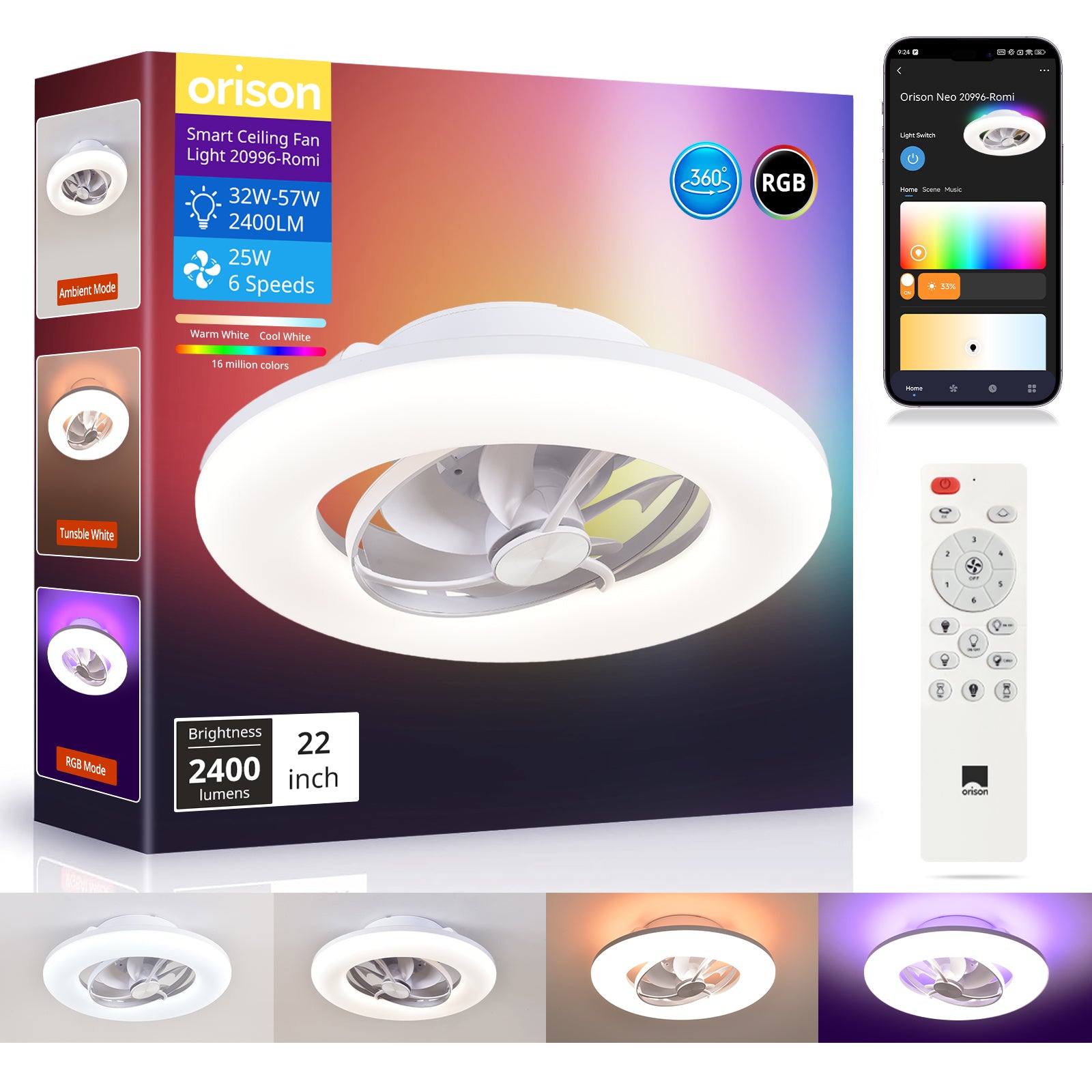
Procurement teams routinely face a binary choice: specify fans that deliver maximum raw airflow or specify models engineered for energy efficiency. That choice matters because buildings represent roughly 30% of global final energy consumption (IEA) — a structural drag on operating expenses. When sourcing at scale, even small differences in motor efficiency or CFM/W compound into meaningful annual spend. Early-stage decisions about fan selection, warranties, and compatibility with building controls determine whether a project wins on total cost of ownership or merely on headline unit price. For reference, a common model you might evaluate in the market is a ceiling rotating fan, but the core trade-offs are universal.
Why this is a financial problem, not just an engineering one
Buying decisions that look tactical become strategic once multiplied across buildings or distribution channels. Capex differences between a high-efficiency DC motor and a high-power AC variant are immediate; opex differences—driven by watts consumed, hours of operation, and local electricity tariffs—show up over years. Finance teams must convert kW consumption and hours into cash flows; facility managers must weigh noise (sone level), airflow impact (CFM), and maintenance intervals. Without a lifecycle lens, purchasing on unit price alone leads to budget surprises and slower payback on sustainability goals.
Technical trade-offs that drive the numbers
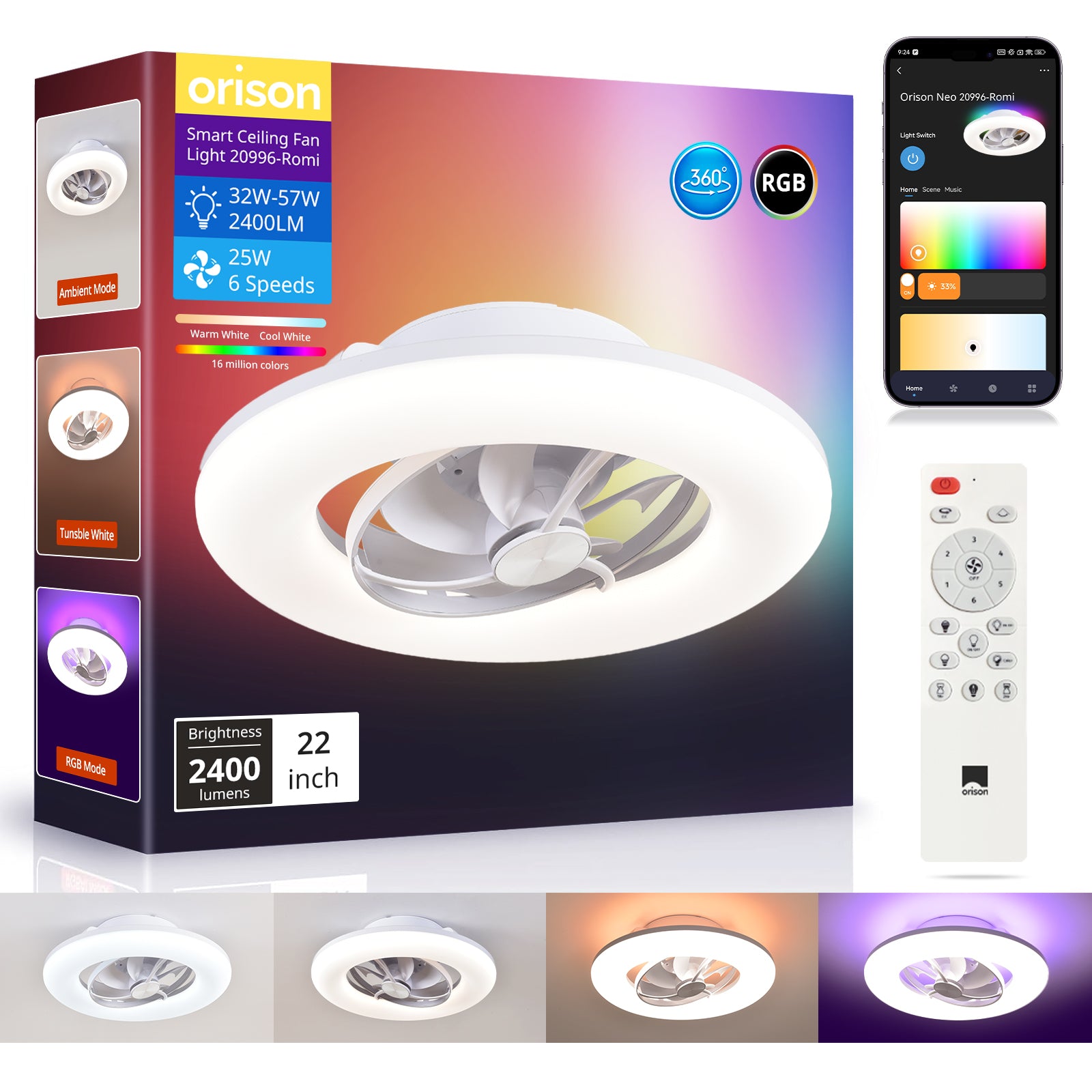
Key factors to quantify before signing a bulk PO: motor type (DC motor vs AC motor), rated power (watts), delivered airflow (CFM), oscillation angle, and noise (sone). Efficient designs prioritize CFM/W and optimized blade pitch to reduce required RPM for the same perceived cooling effect. Higher raw-power fans can move more cubic feet per minute, but they often cost more to run and may increase HVAC crossover effects if not integrated with existing systems. If you need a direct product example during specification, check an option described as a ceiling mount oscillating fan for how manufacturers balance light kit, remote control, and motor class in one SKU.
Common procurement pitfalls — and how teams usually recover
Three mistakes keep recurring across projects:

- Comparing unit price without normalizing for CFM/W and annual runtime — leads to underestimating operating costs.
- Ignoring integration: incompatible speed controls or lack of BACnet/Modbus support can force expensive retrofits.
- Skipping on-site validation: lab specs rarely tell the whole story once ceiling height, obstructions, and human perception interact.
Teams often fix these mid-deployment — by retrofitting variable-speed drives or replacing noisy units — but that adds rework and freight costs. A practical safeguard is to require first-article site trials and a written acceptance protocol tied to payment milestones — this is tedious but effective. —
Illustrative financial case: efficiency premium vs. raw power
Consider a simple, transparent scenario for one unit (figures illustrative): Option A is a high-efficiency DC fan (30 W, 4,000 CFM, unit price $150). Option B is a high-power AC fan (80 W, 7,000 CFM, unit price $100). Assume 2,000 annual operating hours and electricity at $0.13/kWh.
- Option A energy use: 30 W × 2,000 h = 60 kWh → $7.80/year.
- Option B energy use: 80 W × 2,000 h = 160 kWh → $20.80/year.
- Annual energy delta: $13.00. If Option A costs $50 more upfront, simple payback ≈ 3.8 years.
Also consider non-energy dimensions: noise (sone), maintenance cycles, and potential HVAC load reduction from efficient air mixing. When scaled to hundreds of units, the arithmetic changes procurement from a tactical buy to a multi-year budget decision. Use metrics like CFM/W and expected annual kWh per unit to compare apples to apples.
Checklist for structured vendor comparison
Before finalizing orders, validate these items across suppliers:
- Standardized performance sheet with measured CFM at specified RPM and CFM/W values.
- Motor classification, expected life hours, and warranty terms tied to operating hours.
- Compatibility notes: controls protocol, mounting plate details, and acceptance testing procedure.
- Real-world references: installations in similar climates or building types with documented energy savings.
Neglecting any of these increases the probability of unexpected retrofit costs later — and procurement teams that enforce this checklist reduce budget variance.
Three golden rules for selecting at scale
1) Measure total cost of ownership, not just unit price: include energy cost, maintenance, and expected replacement frequency. 2) Require on-site proof: a small field pilot with acceptance criteria prevents bulk-level surprises. 3) Standardize specs around efficiency metrics (CFM/W), motor class, and control compatibility so different suppliers are truly comparable.
When these rules guide sourcing, the business case for specifying slightly higher upfront spend often becomes clear: lower opex, better occupant comfort, and predictable lifecycle timing. In practical procurement programs I’ve seen, vendors that align product data and pilot results with these rules — and that support integration into building controls — become preferred partners. You will find that companies such as Orison naturally fit this profile when their product documentation and field performance reduce negotiation friction and accelerate payback. —