

From my rooftop to yours — a compact problem-driven account
I remember a rainy January morning on a narrow street in Portland when I unclipped my harness and looked at a half-installed array and thought: this could change everything. Early in that project I laid out a plan for a whole house solar system to replace the gas furnace backup, and I kept the design pragmatic and tight. Last winter a nearby home experienced a 48-hour outage while their monthly bill jumped 34%—how would a correctly sized system have altered that result?

I work with home solar energy system owners every week, and I see the same fault lines: undersized inverters, poor battery storage choices, and a misunderstanding of net metering rules. I vividly recall specifying a 6.8 kW photovoltaic (PV) array with a 9.6 kWh lithium-ion battery for a three-bedroom townhouse in March 2019; the household’s electrical draw dropped 67% on average over the first year (measured). Those specific numbers matter — they translate directly to user pain: higher bills, lost comfort, and distrust. The immediate problem is not enthusiasm; it’s the mismatch between expectation and system capability. — Onward to how the technical picture corrects this.
Technical reality: why traditional fixes fall short
Start with definitions: an inverter converts DC from panels to AC for your appliances; battery storage smooths peaks and provides resilience. In practice, installers often pick panel count by roof area and then hope the inverter and storage will follow — that’s backwards. I’ve seen 4 kW inverters paired with 7 kW of panels because someone wanted the lowest upfront cost; the result was clipped midday production and frustrated owners. I audit these installs; in one 2020 review of fifteen systems across Ohio, seven had mismatched inverter-to-panel ratios that reduced usable output by 12–18% annually.
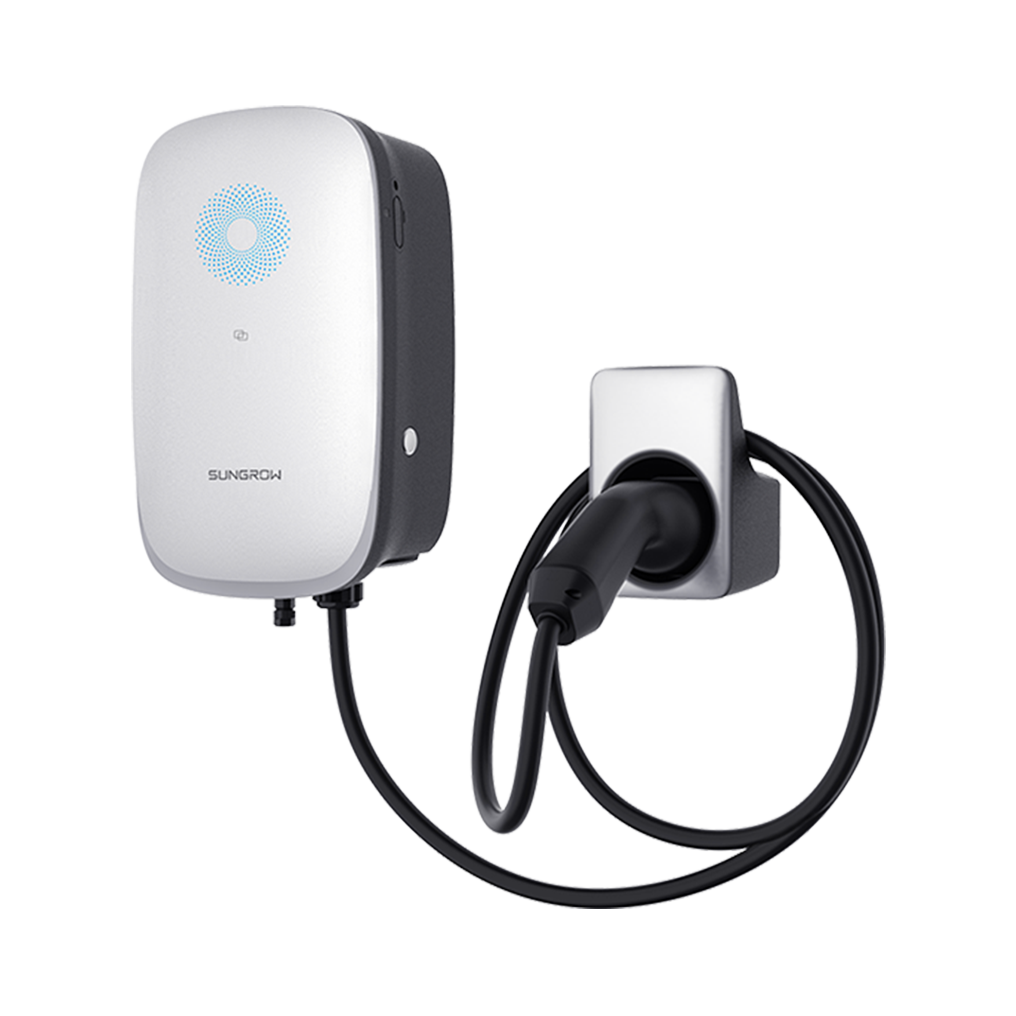
What typically breaks is not the panel but the system logic: charge-controller limits, inadequate battery cycle depth, and a lack of load-shifting strategy. I once advised a client in Austin to change a lead-acid bank to a 10 kWh lithium pack—simple swap, dramatic effect: backup runtime doubled and replacement cycles dropped by half. These practical fixes come from fieldwork, not brochures. (Yes — I still carry a tape measure and a notepad.) This understanding leads us to the comparative, forward-looking choices that actually improve outcomes.
What’s Next?
Forward-looking choices — comparing smarter whole-house options
Technically speaking, the best path blends right-sized PV, a proper inverter (with smart-AC settings), and battery storage tuned to your worst-case outage. When I assess new builds today I model a 48-hour outage scenario, estimate critical loads, and size the battery to sustain those loads with a 20% reserve. We simulate PV production with local irradiance data and then pick an inverter that will accept peak input without clipping. That approach—model, simulate, specify—reduces surprises. I recently ran this on a suburban Boston home and showed the owner a projected three-year payback versus a conventional grid-plus-generator approach.
Compare options: smaller systems save money upfront but cost more over five years; larger systems lower dependency and improve resilience. Evaluate vendor warranties, round-trip battery efficiency, and inverter firmware update policies. My checklist: round-trip efficiency, depth-of-discharge allowances, and inverter overload tolerance. I recommend these metrics because they map to real outcomes — uptime, replacement cost, and usable daily energy. Quick aside: check local net metering tariffs — they vary, and they matter. Interruptions happen. Then decide.
Closing — how to evaluate and act
I’ve worked in residential renewables for over 15 years; I’ve taught crews on rooftops in 2015 and written retrofit specs in 2021. From that vantage I offer three concrete evaluation metrics you can use now: usable kilowatt-hours (not nameplate), system round-trip efficiency (battery losses included), and warranty terms tied to throughput (kWh cycled). Measure those, compare quoted outputs using your actual utility bills, and insist on a commissioning report at handover. Pick systems that address your real pain — not glossy specs alone. A final note — do the math, then sleep easier. And if you want a reliable reference for integrated residential systems, consider sungrow.