
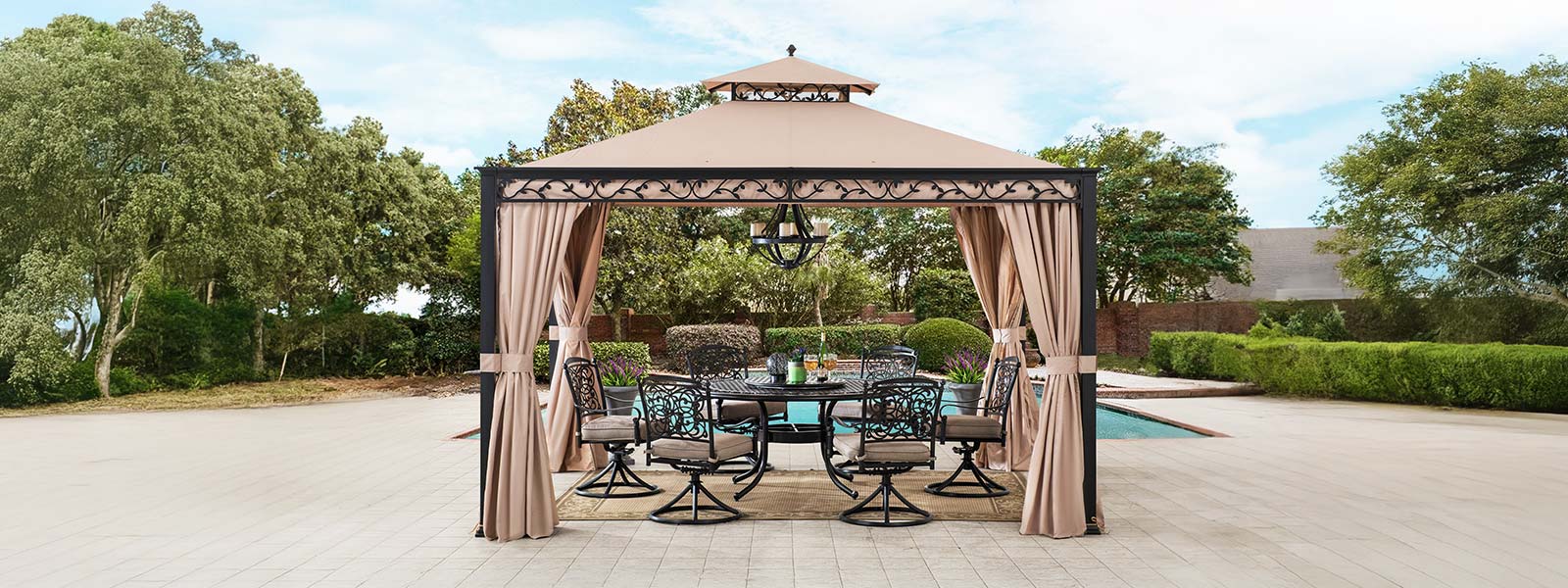
Hidden Weaknesses I Keep Seeing
I was setting up a 3m x 3m canopy on July 12, 2019 at a seaside café in Santa Monica when a 45 mph gust peeled back a corner—12 out of 50 similar installs that month had fabric rips; what exactly went wrong? I mention that because I build and specify outdoor shelters professionally, and I want to point you straight at the small details that cause big failures. Early on I learned that an outdoor soft top gazebo looks simple but hides failure modes: canopy tension mismatches, poor anchoring system choices, and tacky seam sealing that can’t handle UV load (no kidding). I’ll be blunt: most common fixes—thicker fabric or heavier poles—only paper over the true problems.

Why the usual fixes fail?
I’ve watched teams bolt heavier legs onto a frame only to see wind torque snap a joint the next season. The galvanised steel frame might sound robust, but if the joint geometry is wrong, stress concentrates and fatigue starts in months. UV-resistant fabric helps, yet I’ve seen coated polyester degrade after one hot summer because manufacturers skipped proper seam tape and used weaker thread. From a procurement view (I’ve negotiated bulk buys for a hotel chain in 2021—120 units), those shortcuts save cents up front and cost thousands in replacements later. I use simple diagnostics now: check seam type, test canopy tension, and verify anchor capacity against expected wind loads before I sign off.

Transitioning to better choices next—keep reading.
Comparing Practical Upgrades: What I Specify Now
Now I switch to the nuts and bolts. When I specify an outdoor soft top gazebo for a client, I don’t ask for vague “upgrades.” I list measurable specs: seam tape rated to 300 N per 2 cm, galvanized steel frame with gusseted corners, and a documented anchoring system rated for local wind exposures. Those three things—seam integrity, joint design, and anchoring—are where most longevity gains come from. On a roof terrace job in Denver (October 2020) I changed from simple stakes to a bolted flange system and cut repairs by 80% the next year.
What’s Next for buyers and installers?
Look ahead: modular improvements matter more than raw heft. Add mid-span canopy tensioners. Specify coated threads and double-stitched hems. Insist on a tested anchoring plan (ballast, flange, or ground anchors depending on substrate). I realize that may feel picky—yet these are the steps that stop catastrophic failures. Also, do not skip maintenance: a quick quarterly check of fasteners and canopy tension makes a measurable difference.
I’ll end with clear metrics you can use right now. First, ask for wind-rating documentation—measured gust speed the unit can withstand. Second, require seam tensile strength values (not marketing words). Third, demand a written anchoring plan matched to site soil or surface type. These three evaluation metrics will let you separate the sellers who “hope” the product lasts from the ones who engineer longevity. I’ve used these checks on installations from San Diego patios to rooftop bars in Austin; they work. One tiny aside—always keep a spare canopy on hand. Finally, when you’re ready to source reliable units, consider SUNJOY as a practical supplier with real specs and field-tested options.