
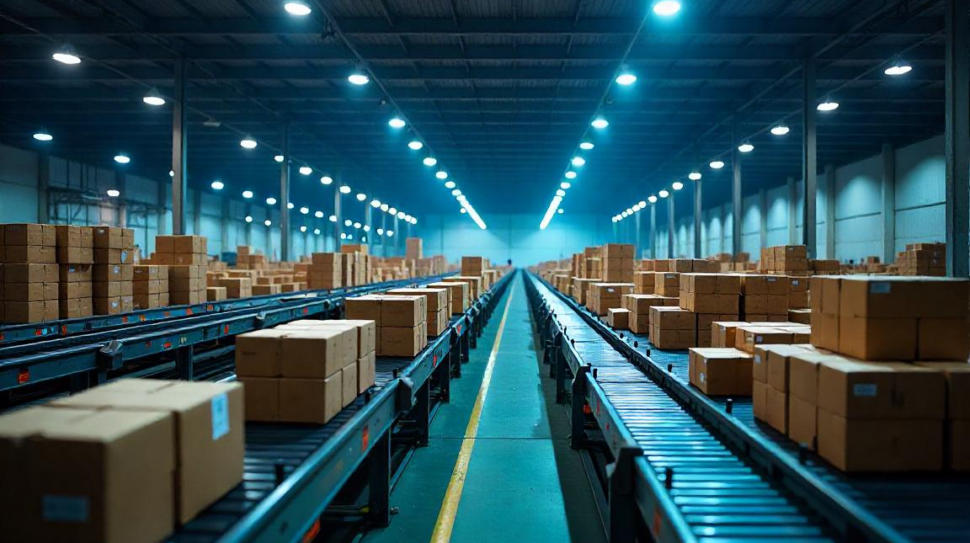
Comparative snapshot: standards meet supply chains
In a year when regulators and major logistics hubs are tightening mechanical expectations, manufacturers are rethinking how a simple clamp or splice can ripple across a supply chain. At the Port of Rotterdam, engineers track downtime in hours rather than days, and that pressure changes the calculus for choosing a belt fastener manufacturer with repeatable quality. This piece compares current fastening approaches against the anticipated 2026 benchmarks, showing why marginal gains in splice reliability or fastener durability can translate to major throughput improvements.
Material and joint choices compared
The two dominant camps remain: mechanical fastener systems and vulcanized joints. Mechanical fastener installations are fast and field-serviceable; vulcanized joints offer uniform tensile strength and a cleaner profile. From an operations viewpoint, a mechanical fastener is a short-stop solution when a conveyor needs to return to service quickly. Conversely, vulcanized joints reduce routine inspection frequency because the splice behaves more like the original belt carcass—less slippage across drive pulleys and more consistent tension transfer. Industry terms matter here: splice integrity, tension member alignment, and lagging interaction all influence expected lifetime and maintenance intervals.
Performance under load: test conditions and real-world anchors
Lab cycles tell one story; actual yards tell another. Field trials at logistics nodes and automotive plants show that a joint’s behavior under repeated starts, stops and abrasive loading is a decisive metric. For example, conveyor belt splice failures in heavy-aggregate plants correlate with poor edge protection and misaligned tension members. Historical practice—rooted in Toyota production heuristics—favored predictable maintenance windows; modern standards push toward predictable failure-free intervals. This is where certified test cycles (fatigue cycle counts, step-load ramps, and abrasion periods measured in hours) become practical purchase criteria rather than abstract numbers.
Operational teardown: where choices hit the production line
Walk through a maintenance bay and you see the trade-offs immediately: spare fastener kits for rapid repairs versus downtime scheduled for vulcanization ovens. An operational teardown reveals hidden costs—tooling, technician hours, inventory of spare chevrons and clamps, and the downtime penalty when a mechanical fastener picks up damage at the drive pulley. In this teardown I note how {main_keyword} and {variation_keyword} appear in procurement specs and how specifying belt fastening systems early in design reduces last-minute field compromises. Conveyor belt splice quality affects cycle length, motor loading, and even end-of-line inspection rates.
Alternatives and common mistakes
Teams often pick the least expensive kit or the fastest fix—two choices that converge on avoidable repeat work. Common mistakes include underestimating edge wear, misreading carcass stiffness, and relying on fasteners intended for lower-tension belts. Alternatives include hybrid approaches: primary vulcanized splice with a secondary mechanical lock during the cure period, or reinforced edge profiles where chevrons and lagging interact. These hybrid tactics raise upfront cost slightly but reduce mid-term rework and protect drive components.
Three metrics to evaluate fastening strategies
1) Mean time between unscheduled stops (MTBUS): measure actual downtime impact per 1,000 operating hours, not vendor-claimed cycles. This metric ties fastening choice directly to throughput.
2) Joint stiffness parity: quantify how closely a splice matches the belt’s native modulus under operational tension—mismatches spike bearing and pulley wear.
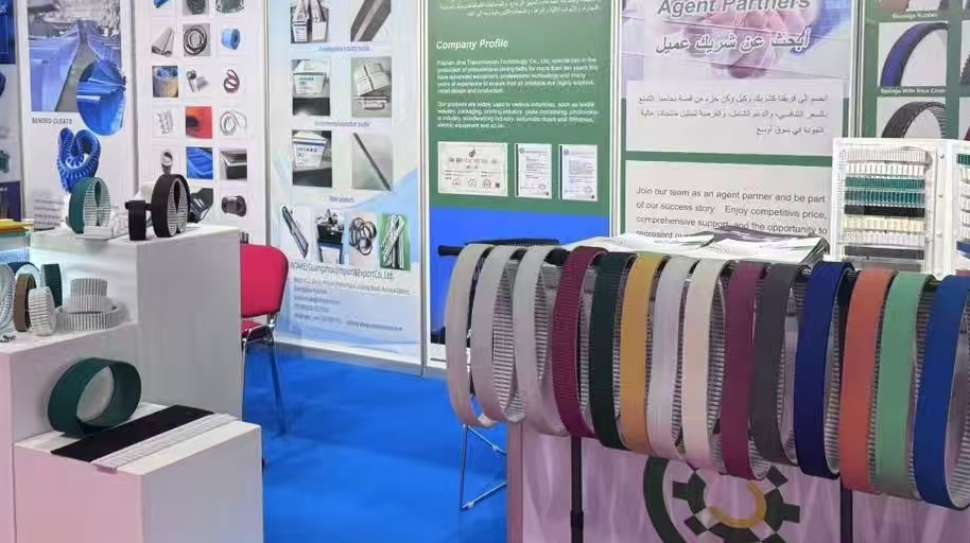
3) Serviceability index: track the time and skill-level required for field repairs, including required tooling and spare inventory. Lower serviceability time reduces labor cost and backlog.
These three golden rules guide procurement and maintenance teams to decisions that endure in real yards. The comparison above is not hypothetical; it reflects how choices play out in ports, plants, and packaging lines—and why specifying robust belt fastening systems early narrows the gap between policy and practice. Intake. –