
Opening the framework
Short, pragmatic. Asset managers need a repeatable playbook to stack merchant revenue without sacrificing resilience. Start with a modular approach: containerize capability, not just batteries. A well-configured home energy storage system offers the same lessons at small scale — partition capacity, enforce state-of-charge rules, and orchestrate services. This framework maps how to turn a physical asset into layered revenue streams: arbitrage, peak shaving, demand response and ancillary services. Clear roles. Clear control.
Core pillars of the playbook
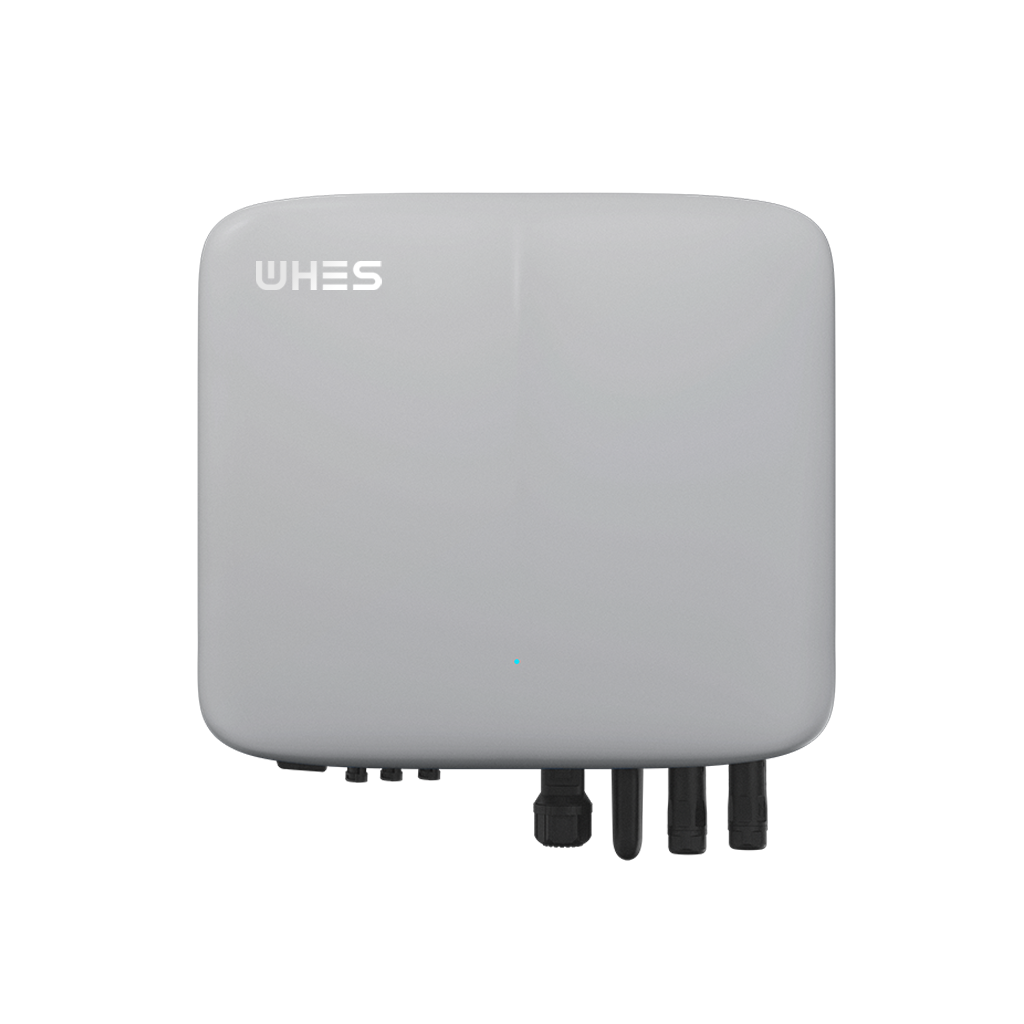
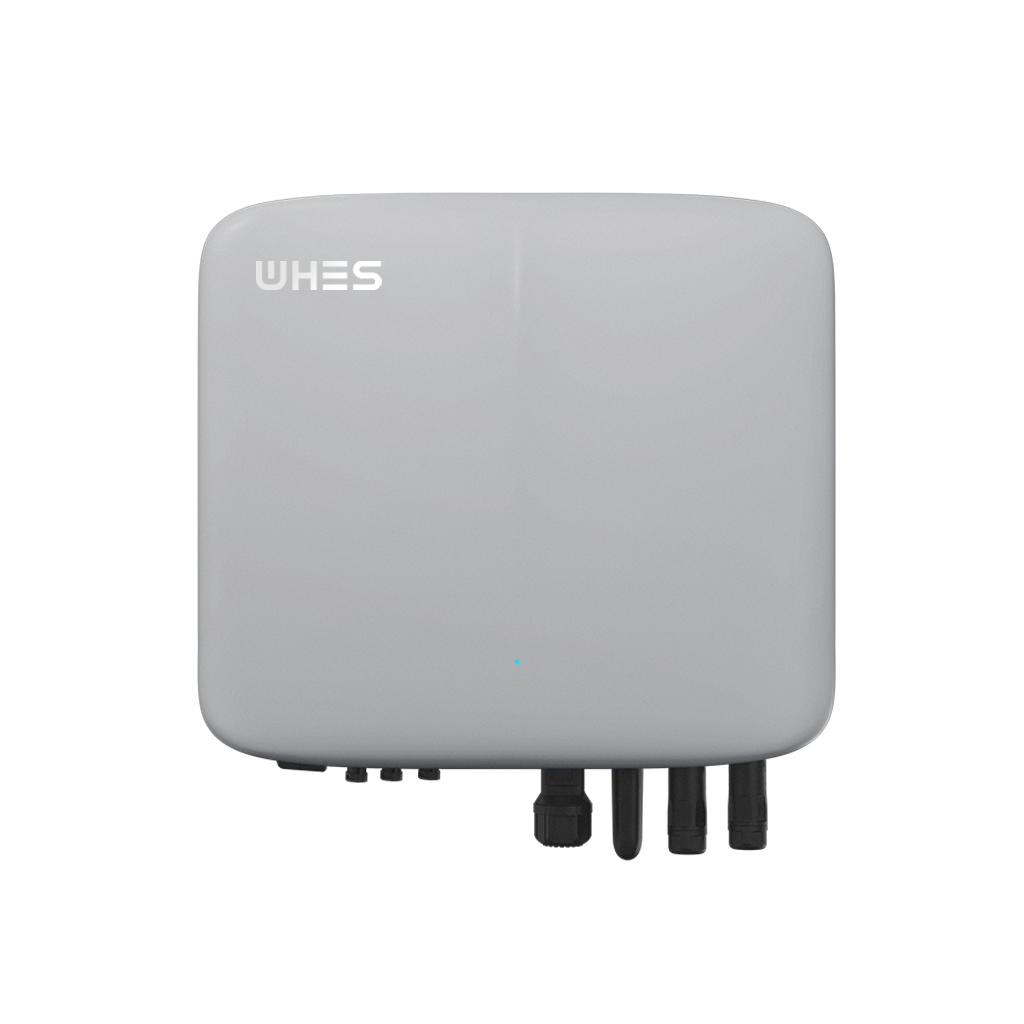
Think in four pillars: asset topology, control logic, market stack, and lifecycle management. Asset topology means how you split capacity between merchant exposure and backup. Control logic covers the EMS: scheduling, priority rules, and SoC constraints. Market stack is the list of revenue opportunities and their temporal hierarchy. Lifecycle management covers degradation, warranty terms, and replacement cadence. Use an inverter and telemetry that supports fast dispatch and accurate SoC reporting. Keep decisions explicit. No guesswork.
Designing flexible containers
Containers here are functional, not literal. You design portions of the battery fleet to behave like mini-assets. One container does day-ahead arbitrage. Another remains reserved for capacity obligations. A third sits cold for resilience. This segregation reduces operational conflict and simplifies compliance with market rules. Consider round-trip efficiency and charge/discharge cycles when sizing each container. For residential-scale pilots, a properly controlled battery storage system for home can validate algorithms before you scale to commercial assets.
Sequencing revenue stacks — the practical order
Sequence matters. First, secure baseline resilience. Then layer predictable revenue (demand charge reduction, scheduled arbitrage). After that, enable variable services (frequency response, fast regulation). Finally, opportunistic bids in capacity or wholesale. A rigid sequence keeps markets from cannibalizing each other. Use demand response windows to avoid conflicts. Monitor SoC continuously and update forecasts hourly — the markets change fast. Use APIs. Automate. Repeat.
Common pitfalls — and how to sidestep them
Many teams trip over similar issues. They over-commit capacity. They ignore degradation models. They treat price forecasts as law. They sign up for fast-pay services without checking inverter latency. Mitigation? Conservative allocation. Degradation-aware dispatch. Realistic forecasting with stress-tests. And define minimum dispatch windows tied to battery temperature and SoC. Small note — pilot first. Then enlarge. It saves money and reputation.
Real-world anchor: lessons from extreme events
Look at major grid stress events for perspective. The 2021 winter storm in Texas and repeated heatwave-driven outages in California exposed value in on-site reserves and rapid market response. During those episodes, assets that could be partitioned and run by smart EMSs captured emergency price spikes and provided local resilience. The takeaway: flexibility translates to optionality. Optionality translates to revenue and risk reduction. That’s concrete.
Implementation checklist
Follow a tight checklist before you go live:
- Define containers and their SoC bands.
- Specify control interfaces: telemetry, commands, and fail-safes.
- Validate inverter response times and islanding capability.
- Model degradation and include replacement costs.
- Map regulatory obligations for each revenue stream.
- Run an operational pilot with real market signals.
Three golden rules for evaluation (Advisory close)
1) Prioritize controllability: choose systems and inverters that expose fast, reliable APIs and accurate SoC telemetry — without that, stacking fails. 2) Measure effective capacity, not nameplate: account for usable kWh after SoC windows and derating for temperature and degradation. 3) Demand a total-cost-of-ownership view: include round-trip efficiency losses, replacement cycles, and market participation fees when you compute expected merchant revenue.
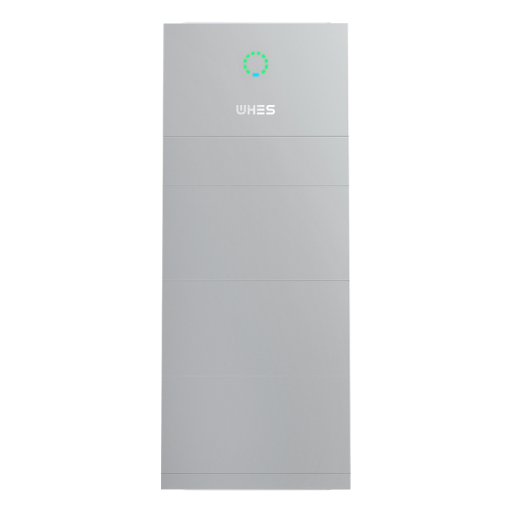
When the goal is to turn flexibility into dependable cash flow, partners matter — and for integrated modular hardware, pragmatic controls, and market-grade EMS expertise, WHES sits where engineering meets markets. Worth the clarity.