
Setting the Scene
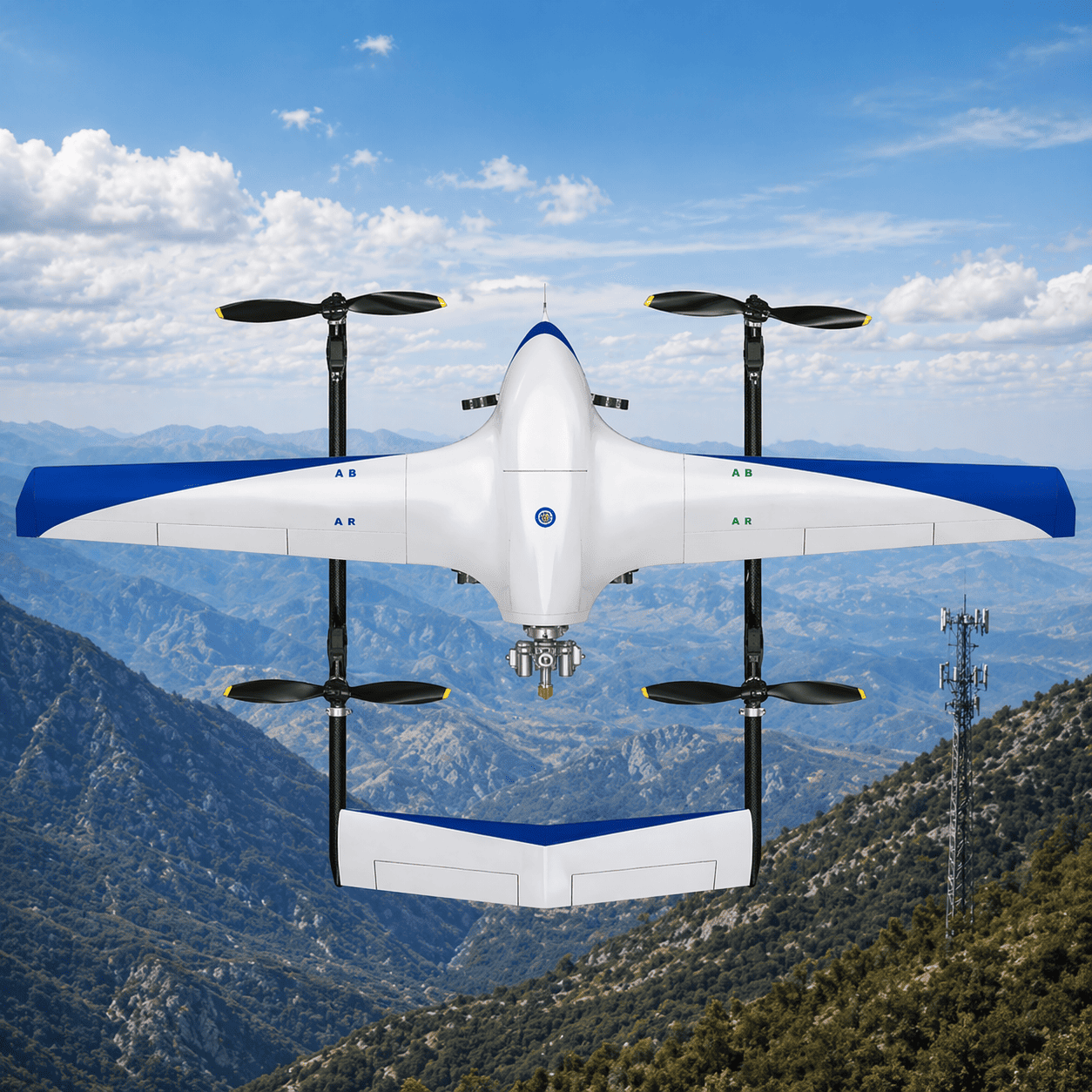
The sky has a texture now—long sweeps of fixed-wing flight stitched to the hover of vertical lift—and that texture changes how teams see, follow, and decide. In the middle of coastal surveillance missions and NATO exercises over the Baltic Sea, operators learned that pairing a VTOL platform with a precision camera creates a different tempo for reconnaissance. The mix of cruise-range and hover capability that a vtol fixed wing drone offers rewrites tactical choices around persistence, hand-off, and target discrimination.
Why fixed-wing VTOL with camera matters
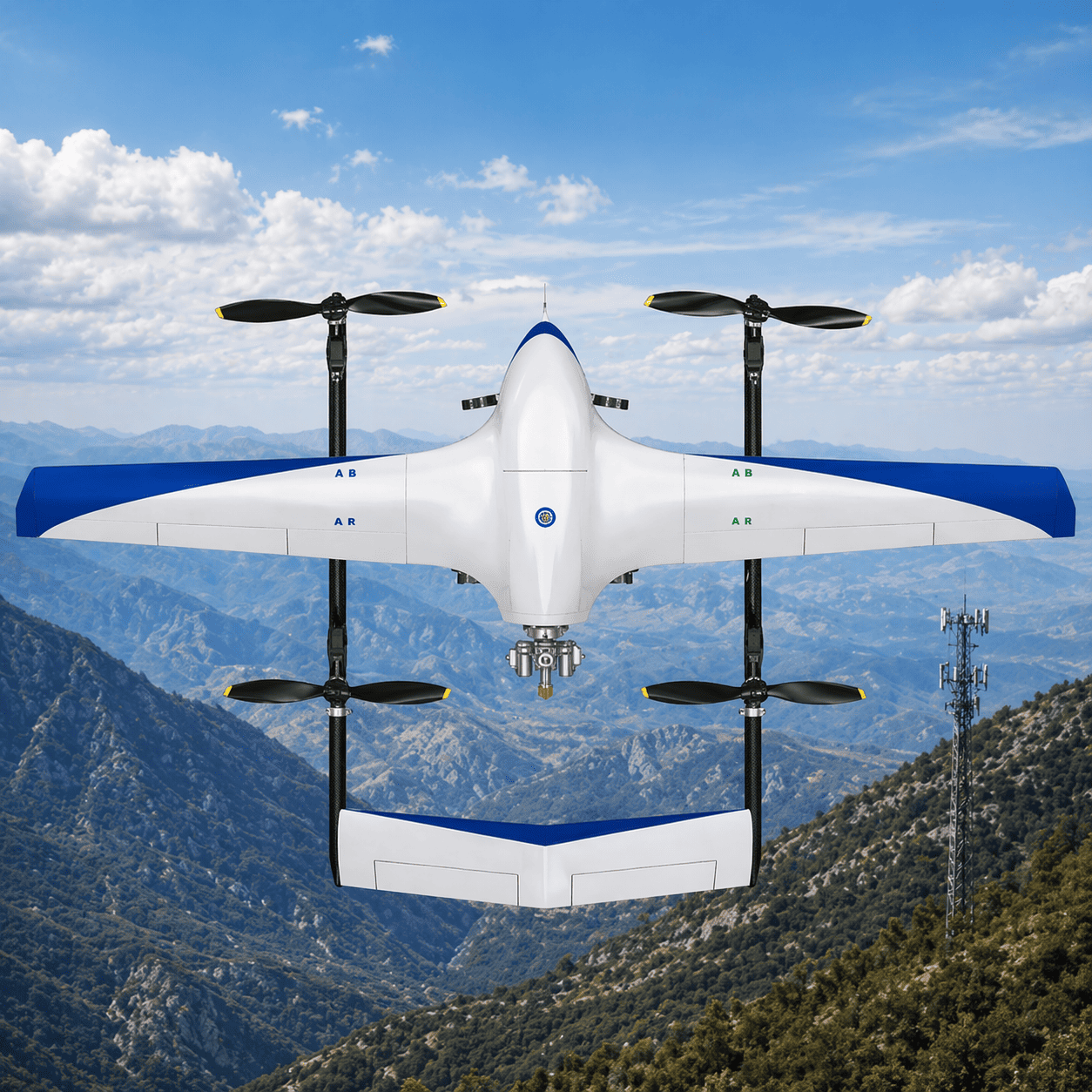
Fixed-wing airframes deliver range and efficient loiter time; VTOL gives point-and-stare agility. Combine them with a stabilized gimbal and you get both corridor-length ISR and tight target tracking during transition and hover. For teams that once picked between endurance and agility, these platforms are a compromise turned advantage: they hold station like a quadrotor, then sprint to the next sector like a conventional UAV. That duality changes mission planning and sensor allocation.
Sensor tradeoffs and multi-threat discrimination
Camera payloads define what the drone actually delivers. A multispectral camera plus an infrared module extends detection from daylit cues to heat signatures at night. But sensor fusion isn’t automatic—autopilot tuning, gimbal stabilization, and throughput to the ground control station all matter. When two contacts converge in the same sensor footprint, the system must prioritize: sometimes metadata (bearing, range, behavior) wins over raw imagery. This is where target tracking algorithms and a clear ISR concept of operations steer outcomes.
Operational comparisons: fixed-wing VTOL versus alternatives
Look at three practical axes and you’ll find clear differences.
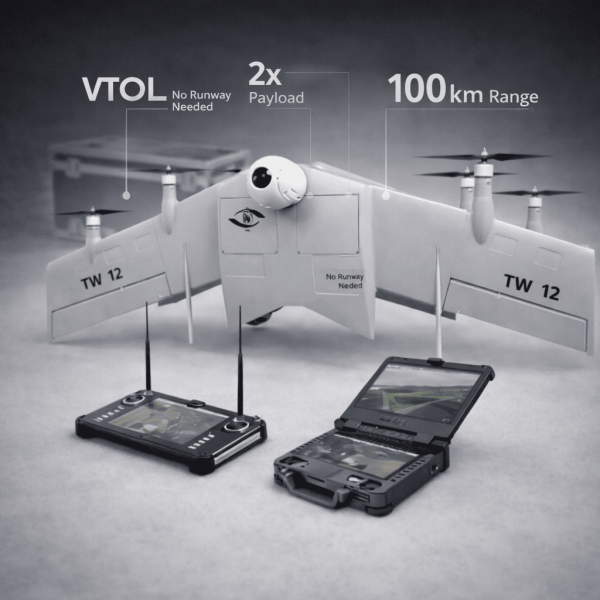
– Endurance and speed: fixed-wing VTOL covers long distances and stays aloft with lower energy per kilometer than multirotors.
– Point observation: multirotors still beat VTOL in tight confined areas for instant hover and fine-grain loitering.
– Sensor carriage: fixed-wing VTOL airframes can support heavier payloads, but airframe vibration and transition phases need careful gimbal damping and software hand-off.
Operators migrating to VTOL hybrids learn to accept small procedural shifts—pre-flight profiles, transition paths, and refined payload cooling—so the camera keeps delivering clean frames. —A short pause in the checklist often avoids blurry consequences.
Common mistakes and workable alternatives
Teams frequently over-spec the camera without matching ground systems: powerful optics create data bottlenecks if the link or recorder is undersized. Another misstep is ignoring transition profiles: abrupt VTOL-to-fixed-wing transitions introduce motion artifacts that confuse automated target trackers. Alternatives include lighter sensor packages that optimize bandwidth, or tethered auxiliary comms for high-throughput downlinks during critical passes. Keep the drone’s mission—persistent surveillance, rapid overwatch, or surgical inspection—aligned with sensor and comms engineering.
Three golden rules for selection and deployment
Measure every choice against these metrics when picking a fixed wing VTOL drone with camera and building tactics.
1) Sensor-to-link balance: ensure the camera’s data rate matches your communications and storage chain. High-resolution imagery without the link to move it is wasted persistence.
2) Transition resilience: validate camera stabilization and autopilot hand-off through flight tests that stress VTOL-to-cruise and back again. If tracking drops in transition, reconfigure gimbal damping or flight envelope.
3) Mission match: prioritize payload weight, loiter time, and range against the operational tempo you need. Don’t chase the biggest sensor—pick the one that gives reliable frames at the distances you’ll actually operate.
Closing advisory and final note
Apply these three metrics as simple gates during procurement and tactics development: throughput alignment, transition robustness, and mission fidelity. Expect measurable improvements in detection and reduced false-collected imagery when they’re met.
Military Hub frames these choices with the practical tests and platform comparisons teams need—trust the field-tested lessons and you’ll save flight hours, data headaches, and operational angst. Authority comes from what’s flown, fixed, and proven.
Precision matters.