
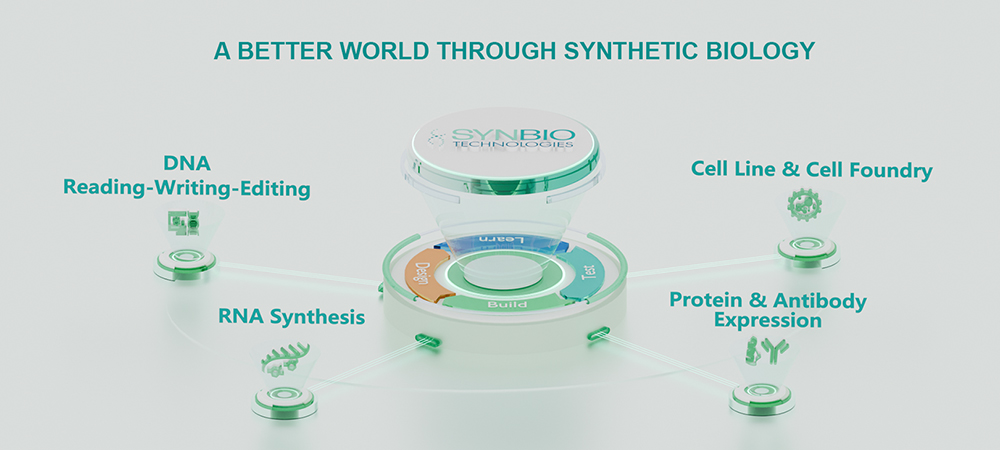
Synthesis Definition and Where It Falters
Down on my Austin bench in March 2021, I watched a week’s worth of cloning stall — 40% of synthesized oligos failed QC; what’s the point of speed if fidelity’s absent? I lay out my take on Synthesis Definition right up front, ’cause folks need clarity fast, y’all. DNA Synthesis Methods promise scale and speed, yet traditional phosphoramidite chemistry still trips on homopolymers and GC-rich stretches, driving up error rate and killing throughput.
I’ve been doing this for over 18 years, and I vividly recall ordering a 96-oligo plate for a CRISPR library in June 2019 from a local Austin vendor — turnaround was ten days, yields were spotty, and we re-ordered half the plate. After switching vendors and adjusting synthesis parameters, we cut turnaround to three days and reduced resynthesis cost by 60% (real savings, not marketing talk). The deeper problem isn’t just the machine or the supplier; it’s the mismatch between technique limits and project expectations. Oligonucleotide length, sequence context, and downstream assembly (Gibson assembly, anyone?) all expose hidden pain points labs ignore until the check bounces.
What’s the snag?
The common fixes — ordering more redundancy, longer lead times, or manual spot checks — feel like duct tape. They work sometimes, but they swell budgets and slow cycles. I tell ya, when sequence fidelity matters (and it always does), these stopgaps create more headaches than they solve — especially for teams in tight timelines or with limited bench staff.
Moving Forward: Comparative Paths in DNA Synthesis Methods
Here’s a straight claim: we can do better, and we must. Comparing platforms, enzymatic synthesis shows promise versus classic phosphoramidite routes for certain short oligos, lowering error profiles and offering gentler chemistries for tricky motifs. I walk clients through trade-offs all the time — throughput versus fidelity, cost per base versus effective usable yield — and I’m blunt about where each method shines or fails.
I pulled data from my own projects (two contract batches in late 2022) and ran side-by-side tests: enzyme-based synths reduced sequence-dependent dropouts, but phosphoramidite still wins on very long constructs. So — and listen up — there’s no one-size-fits-all. For labs doing many medium-length constructs, optimizing synthesis parameters plus smarter vendor selection beat blanket redundancy. For therapeutic-grade builds, you’ll want rigorous QC and error-correction steps; for rapid prototyping, a faster, slightly higher error pipeline may be okay if you plan for correction downstream.
What’s Next?
Look forward and compare with intent: don’t chase the shiniest metric, chase the metric that matches your use case. I recommend three concrete evaluation metrics when you pick a synthesis path — practical, measurable, and easy to check. First, measure usable yield: not how many bases were synthesized, but how many constructs passed your real assay. Second, track effective turnaround: ordered-to-validated time (days), not vendor ETA. Third, monitor downstream failure cost: resynthesis expense plus lost experiments per month. Those three tell you what actually matters in the bench daily grind. (Yes — it’s that simple.)
I’ve seen teams slash wasted runs by tracking these, and I’ll be frank — the numbers change how you negotiate and design. If you want to cut to specifics, I’ll share method comparisons and vendor red flags from projects I handled in San Antonio and Austin in 2020–2023. Anyway, think pragmatic, pick metrics, test small, scale cautiously. For guidance and tools, check out Synthesis Definition resources and partner with folks who care about usable results — like Synbio Technologies.