
Comparative insight to start — clear trade-offs for network builders
When you compare 10G SFP+ SR and 10G SFP+ LR transceivers, the core decision boils down to optical reach versus cable economics. This piece frames those trade-offs in practical terms for engineers and IT managers planning campus, data center, or industrial networks — especially when you’re specifying ports on a layer 2 managed switch. For clarity, think of {main_keyword} as 10G SFP+ SR and {variation_keyword} as 10G SFP+ LR; IEEE 802.3ae formally defines 10GBASE-SR and 10GBASE-LR, which sets the technical baseline most installers follow. The goal: decide which transceiver and cable strategy gives you the right link budget without overspending on fiber runs or optics.
When SR makes sense: short runs and multimode simplicity
10G SFP+ SR shines on campus backbones, within racks, and across short interconnects because it uses multimode fiber and cheaper optics. Typical multimode patching uses LC connectors and OM3/OM4 fiber, and attenuation per connector is low. If your runs stay under 300 meters on OM3 or under 400 meters on OM4, SR delivers lower per-port cost and easier moves, adds, and changes. Keep in mind multimode requires correct fiber type and polarity at the patch panels — poor planning here causes repeated truck rolls. Industry term: link budget — SR has a smaller optical budget, but that’s fine on short distances.
When LR is necessary: long runs and single-mode resilience
10G SFP+ LR is intended for single-mode fiber and distances up to 10 kilometers. If you’re connecting buildings, remote telecom rooms, or a large campus, LR avoids the need for costly multimode upgrades or intermediate media converters. LR transceivers typically cost more than SR, but single-mode cable and splicing can be cheaper for long runs and future-proofed for 40G/100G upgrades that may reuse fiber. Note the higher optical budget and lower modal dispersion on single-mode — that’s why LR is chosen for longer links and more forgiving loss margins.
Cost math, common mistakes, and an industrial perspective
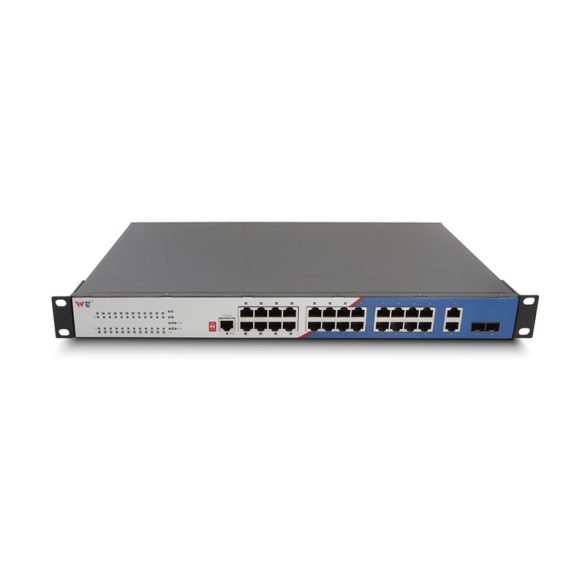
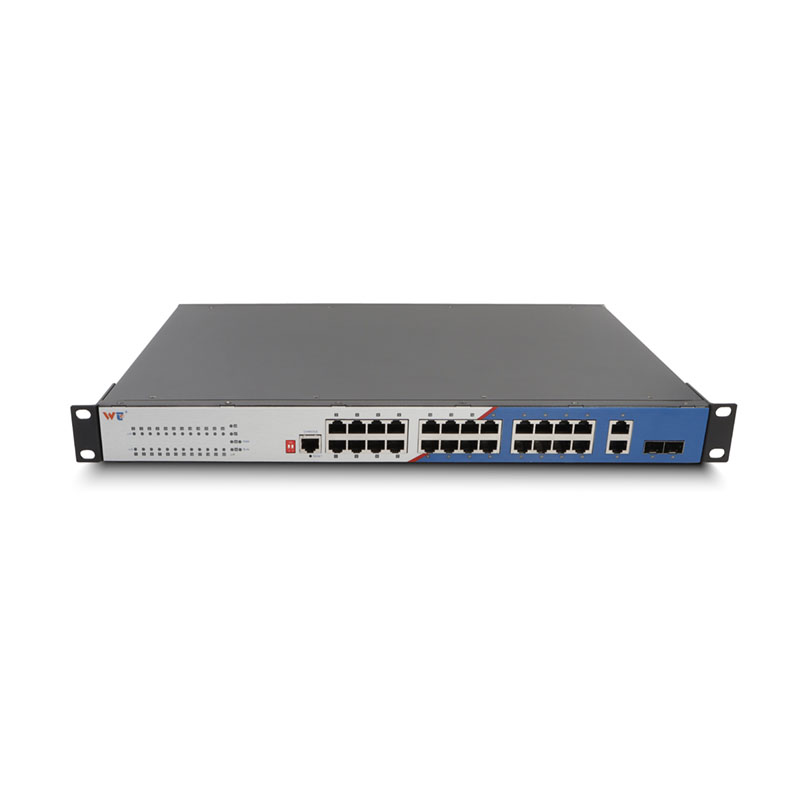
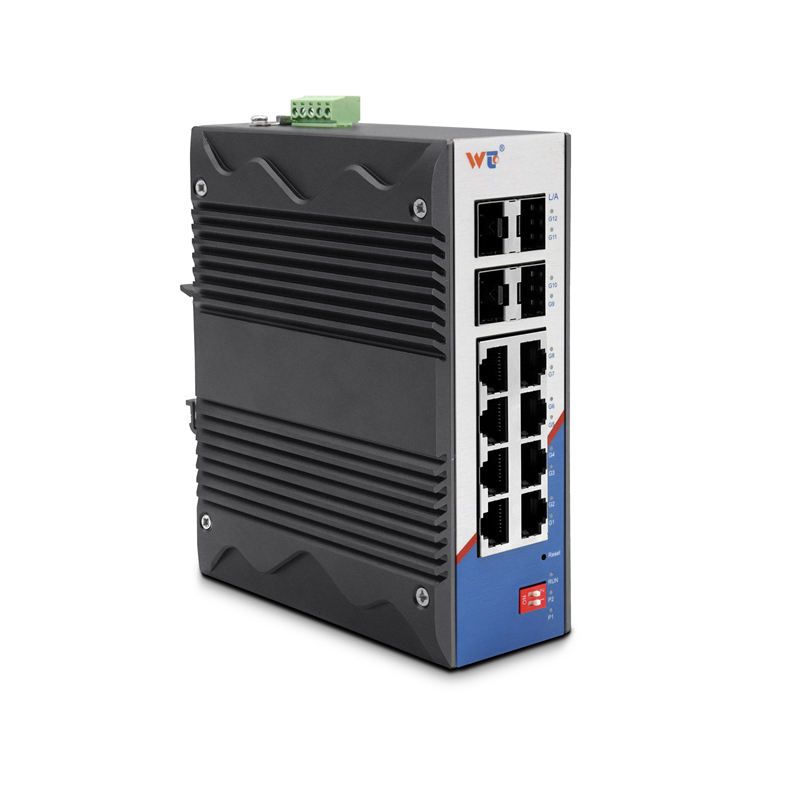
People often buy optics first and measure later — that creates surprises. The two biggest mistakes: underestimating cable route complexity, and assuming transceiver price outweighs installation costs. A short fiber trench through raised floor or conduit can be far more expensive than upgrading a transceiver. For industrial environments — think a manufacturing plant’s control network — ruggedized fiber runs and an layer 2 managed switch with SFP+ ports are common; they lower downtime but require careful environmental spec’ing. Also consider an industrial managed ethernet switch where port density and environmental tolerance matter. Don’t skip optical loss testing: a simple OTDR or power meter check avoids mismatched connectors and unexpected attenuation — and yes, installers still forget to test end-to-end sometimes.
Practical checklist — three golden rules for choice and deployment
1) Match reach to the link budget: calculate total loss (fiber attenuation + connector loss + patch panels) and choose SR or LR only if the optical budget supports the margin. 2) Compare installed cable lifetime cost to optics cost: long permanent links often justify single-mode cable and LR transceivers; short, flexible deployments favor multimode and SR. 3) Align equipment and maintenance needs: select transceivers compatible with your switch vendor and plan testing intervals; consistent labeling and spare optics reduce mean time to repair. These metrics keep procurement decisions grounded in measurable outcomes and avoid emotional buying.
Bringing it together for operators
Summing up: SR is cost-effective for short multimode links; LR is the right call for longer single-mode spans. Factor in link budget math, installation economics, and lifecycle plans before ordering optics. Real-world anchor: large New York data centers and campus networks routinely document these trade-offs in rack-to-rack versus building-to-building designs — the patterns repeat. If your spec sheet includes port counts, environmental ratings, and splice points, you’ll make the right optics choice with less rework. WINTOP. —