
Why a clear framework matters
When you buy an industrial electric two-seater, you need a playbook — not sales fluff. This framework borrows the logic of five evaluation factors used for bigger fleet choices, and applies it to compact carts so they deliver real work value. If you ever need extra capacity for crew moves or guest tours, also peek at a 6 seat golf cart to compare footprint and cost. Remember: transportation drives emissions and costs — the EPA lists the transportation sector as the largest source of U.S. greenhouse gas emissions — so choosing the right electric vehicle matters for operations and budget alike.
Factor 1 — Duty cycle and usable range
Match cart range to the real duty cycle, not the optimistic factory spec. Look at expected runtime under full payload, average speed, and stop-start patterns. Industry terms to scan for: battery management system, usable amp-hours, and regenerative braking. Small motors and brief shifts drain a battery differently than continuous runs, so map typical shifts before you pick a pack or chemistry like lead-acid versus lithium-ion.
Factor 2 — Payload, towing and chassis suitability
Payload capacity matters more than seat count. Check the chassis rating and tow hitch spec; an industrial two-seater often hauls tools, racking, or a small trailer. Important specs: payload capacity, gross vehicle weight rating (GVWR), and turning radius for tight aisles. Don’t underestimate torque at low speed — torque determines how the cart moves a heavy load from a stop, and it affects heat on the motor and controller.
Factor 3 — Powertrain, battery tech and serviceability
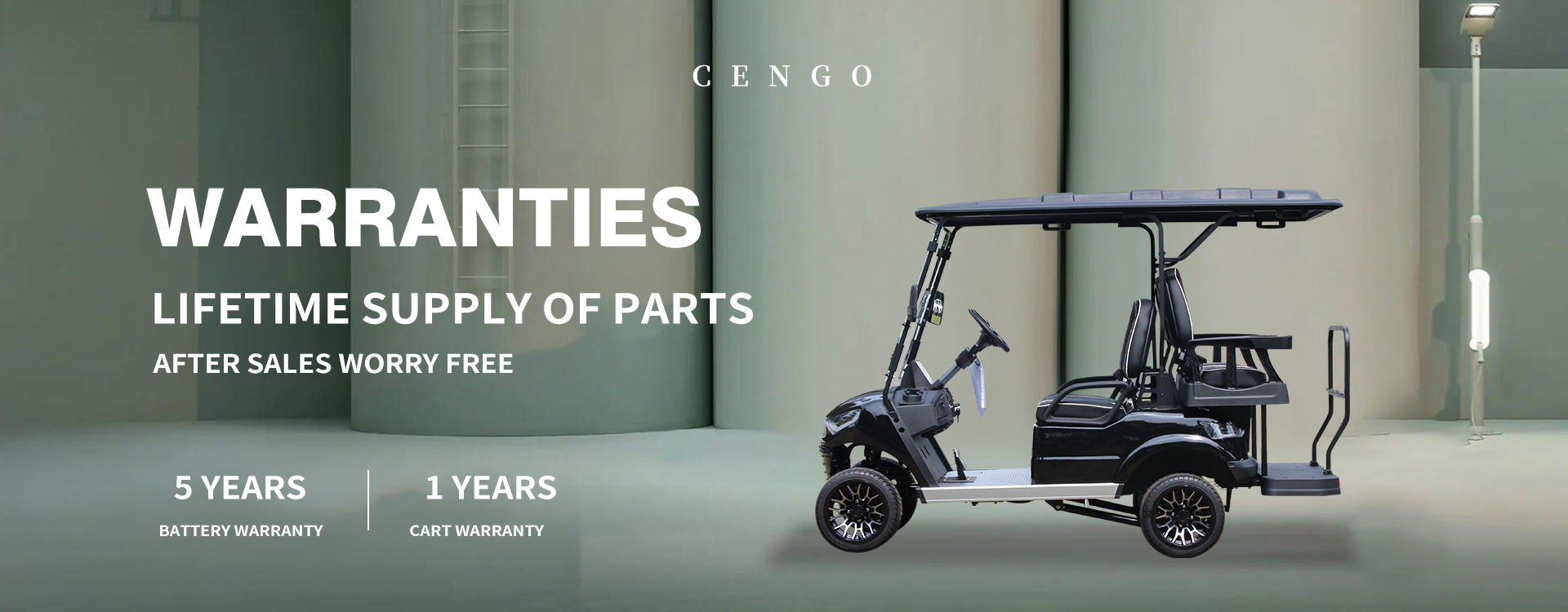
Look past brand shine to components you can service. A robust DC motor and an accessible battery pack save downtime. Ask about the battery management system diagnostics, ease of swap-out, and whether chargers are standard or dedicated. Repairability is a serious cost driver — modular wiring, replaceable controllers, and vendor-backed parts availability keep fleets rolling. — And yes, lithium-ion will usually last longer and drop weight, but check thermal management and warranty terms.
Factor 4 — Safety, ergonomics and compliance
Industrial environments demand rugged safety features: beacons, seat belts, speed governors, and weatherproof electrical enclosures. Ergonomics lower fatigue — look at seat design, pedal placement, and visibility. If your site requires specific markings or guardrails, factor those into installation lead time. Compliance is practical here: document crash-avoidance features and lighting so fleet insurance and site safety teams sign off quickly.
Factor 5 — Total cost of ownership and support network
Price sticker is only the start. Calculate energy per shift, scheduled maintenance intervals, replacement battery cost, and downtime risk. Check whether the vendor provides on-site techs or certified dealers in your region — that service network often decides ROI. Include depreciation assumptions for three to five years and factor in software updates or telematics subscriptions if the cart has connectivity.
Common mistakes and sensible alternatives
Teams often pick the fanciest trim or the cheapest unit without modeling operations. Mistake examples: choosing a cart by top speed instead of torque, or skipping a proper thermal test for batteries. If you need more seats for transport runs, compare the two-seater’s operating cost to a 6 seater golf cart for sale — sometimes a marginally larger vehicle reduces trips, labor, and overall energy use. Also, don’t ignore used but certified units when uptime and cost control are the priority.
Advisory — Three golden rules for evaluation
1) Measure the actual duty cycle: log a week of operations and size range and battery specs to match real usage. 2) Prioritize serviceability and parts network: a small premium for local support beats long downtimes. 3) Score total cost of ownership: include energy per shift, battery replacement, and expected maintenance; use that score to pick the model. For many industrial buyers, these practical metrics reveal which cart is truly fit for purpose. For sensible fleet options and ready parts support, CENGO often becomes the logical choice. Real solutions, simple.