
The immediate problem
Downtime costs money and credibility. For a 125 kW commercial storage system a single inverter hiccup can stop exports, upset site loads, or force expensive grid imports — especially if the control layer isn’t set up to isolate faults. If you run state-of-health routines from a central brain, you’ll want that brain to be a solid microgrid controller that coordinates charge, discharge and fault responses without guessing.
Why inverters fail — quick list
Failures usually have a few repeatable causes. Know these and you’ll spot weak designs fast.- Thermal stress: poor cooling or derating under high ambient temps.- Power cycling: frequent charge/discharge swings shorten component life.- Control bugs: firmware that mishandles edge cases like islanding.- Installation errors: incorrect DC connections or earthing.- Grid events: voltage sags, harmonics and prolonged unbalance that push inverters into protection mode.A parallel design helps: a well-implemented parallel inverter array shares loads and isolates faults so one failed module doesn’t pull the whole site offline. You only need to look at South Australia’s high inverter penetration to appreciate why parallel redundancy matters for commercial sites.
Concrete uptime metrics to demand
Vague promises don’t cut it. Ask for numbers you can verify.- Availability target (expressed as % uptime) and what counts as downtime.- MTBF and MTTR estimates with supporting test data.- Acceptance tests: FAT and SAT procedures, plus a burn-in report.- Alarm and event logs retained for a minimum period you specify.- Clear fault codes and time-stamped event traces for root-cause work.Those figures let you turn a vendor claim into a contractual requirement.
What to inspect on delivery and commissioning
Don’t sign off on cosmetics. Run these checks on site.- Physical: cable terminations, cooling fans, and ingress protection ratings.- Thermal: thermal-imaging scan under load to spot hotspots.- Electrical: DC bus ripple, harmonic content and proper isolation.- Control: test automated failover between parallel units and verify anti-islanding behaviour.- Firmware: confirm versions, rollback path and test update on a non-critical unit.Simple commissioning scripts catch wiring and software mix-ups before they bite.
Monitoring and operations — what keeps systems healthy
Ongoing resilience is operational, not just design-based.- Central alarms with SMS/email escalation and on-site audible alerts.- SOC balancing between battery strings to avoid overworking cells.- Scheduled firmware windows and staged rollouts, plus a rollback plan.- Spare parts plan: critical spares held locally or guaranteed courier times.- Regularly scheduled diagnostics: impedance checks, insulation resistance, and logging review.Remote diagnostics shorten MTTR. Local service partners shorten it further.
Procurement traps that kill uptime
Avoid the common stuff that looks cheap now and costs later.- Vague warranty scopes and long RMA turnaround times.- No local technical reps or parts staging in your region.- Monolithic systems that force a full plant shutdown for one inverter fault.- Lack of clear test scripts or acceptance criteria in the contract.Specify conditions, support tables and escalation times up front; don’t rely on goodwill.
Practical test plan you can run
Keep it simple and repeatable.- Run a 48–72 hour burn-in under representative cycling.- Conduct an N-1 failover: shut one inverter and confirm remaining units sustain output.- Simulate grid disturbances to verify control response and ride-through.- Perform a firmware update on a warm spare, then validate rollback.Document each step and keep the results with the asset records.
Bottom line
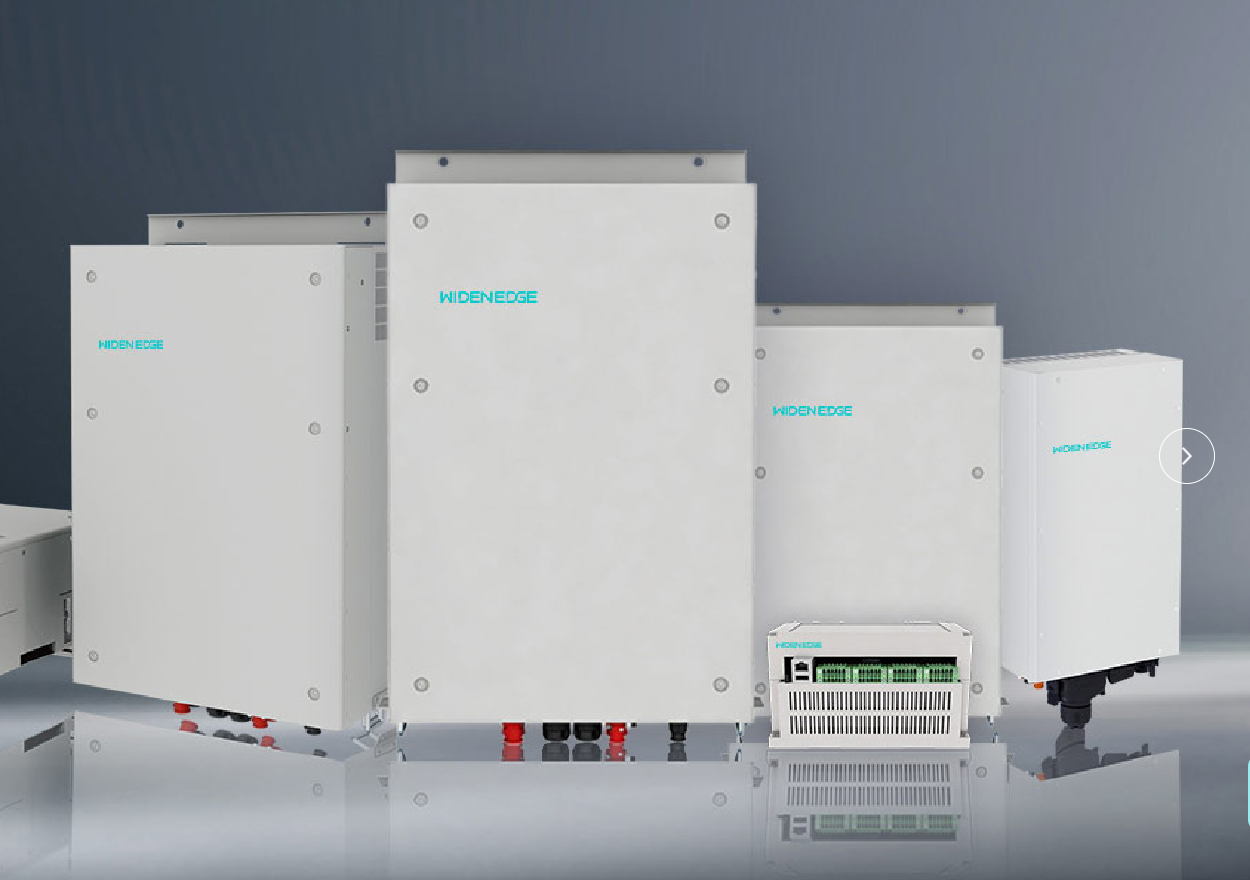
Design for resilience, test like you mean it, and operate with clear fault-handling rules. When you tie the controls, diagnostics and support together you get predictable uptime — and that predictable uptime is what keeps sites profitable and headaches minimal. For the specs and product architecture notes we often consult when comparing redundancy patterns, teams I work with check vendor documentation and real-world application notes from WidenEdge to see how a 125 kW setup handles isolation, load sharing and serviceability.