
Problem: Eyes on the road, holes in the system
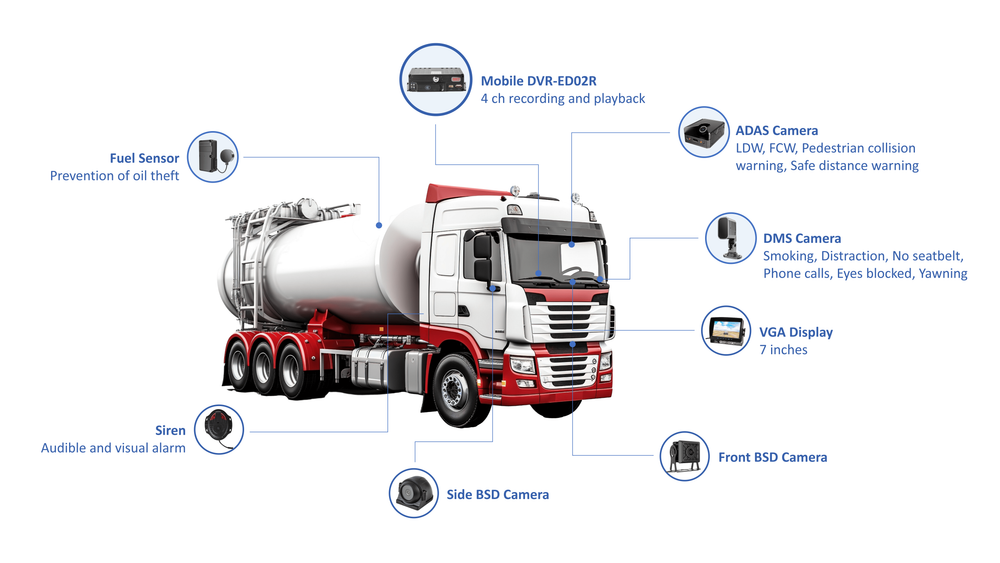
Listen, these oilfield fleets move heavy loads and costly data, and that mix drawin’ attention — not the good kind. When I say problems, I mean real gaps: exposed API endpoints, weak key management, drivers sharing creds, and third-party devices talkin’ too loud on the network. Folks shop around for solutions from fleet telematics technology providers but still get surprised when access control falls apart. I seen operators around Houston tighten locks and rethink who gets location and usage feeds — that’s where this starts.
Why this matters right now
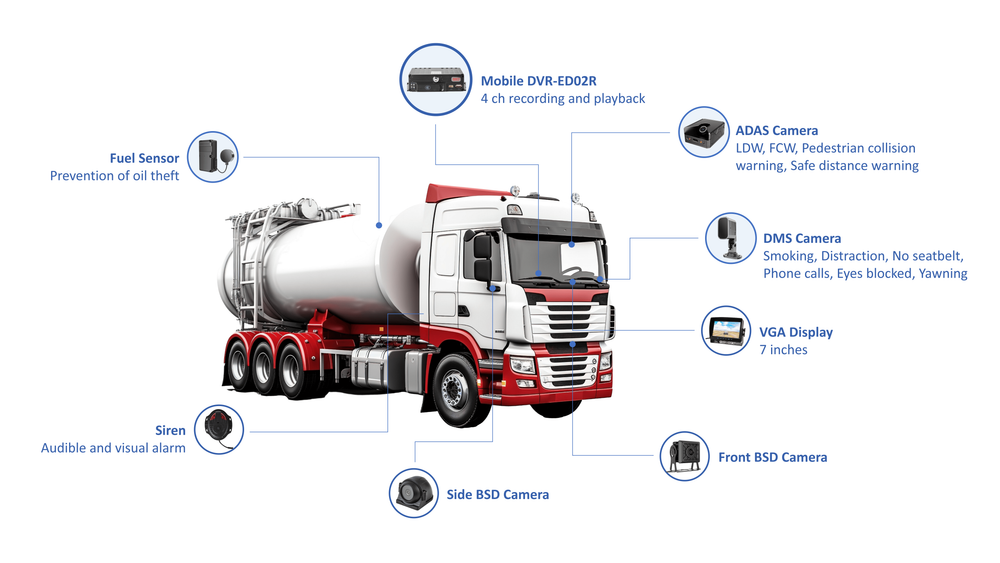
Data from trucks ain’t just coordinates. It’s route patterns, timing, load manifests, and access logs. If bad actors get that, they can predict vulnerable windows, spoof positions, or pivot to more damaging attacks. That’s why privacy and access control ain’t optional. Fix one thing wrong and another leak shows up. You need a plan that treats telematics like a live system, not a simple tracker.
Where systems usually break down
– Credentials saved in plain text on in-cab devices. – Overbroad user roles: everybody sees everything. – Unpatched telematics firmware and unmanaged third-party dongles. – Poor encryption in transit or at rest. – No clear audit trail when a service account gets abused. Those failures happen in the field and in ops centers. They’re simple to list, but messy to fix if you don’t follow a tight sequence.
Practical sequence to reduce risk (Problem-driven steps)
Start with the worst problems first and move down the list — fix the stuff that lets someone drive straight into your data. Do these in order: – Lock down credentials: rotate keys, remove static passwords, enforce MFA for portals. – Narrow access: adopt least-privilege roles and segment by function (maintenance, dispatch, compliance). – Harden devices: require signed firmware, manage third-party dongles, enforce device attestation. – Encrypt end-to-end: TLS for telematics feeds, disk encryption for captured logs. – Implement immutable logging: make sure every access attempt leaves a verifiable trail you can audit.
Common mistakes teams keep makin’
Teams try quick wins that don’t last. They punt on device management because trucks gotta roll. They grant broad API keys for easy integration. They treat telematics as “just GPS.” Those moves get you breaches or compliance headaches. Stop treating the field kit like a peripheral — treat it like infrastructure.
Access control patterns that actually work
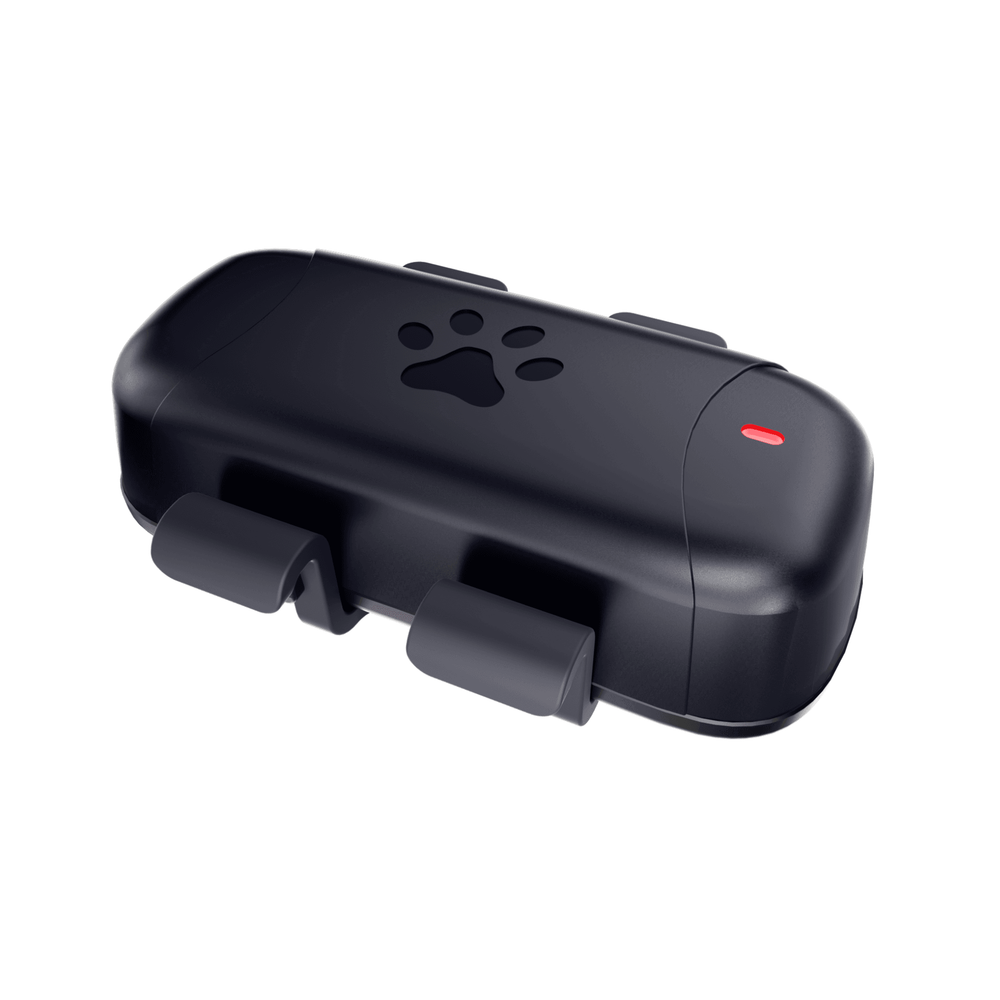
– Role-based access with context: time-of-day and geofence checks matter. – Short-lived credentials: issue tokens scoped to tasks, expire fast. – Device identity: each unit has a hardware-backed identity so you know that feed truly came from that vehicle. – Segmented networks: separate in-cab infotainment from telemetry channels. These patterns reduce blast radius and make audits meaningful.
Privacy handling: what to store, what to discard
Keep only what you need and store it only as long as you need it. Scrub PII from live analytics and anonymize location data when sharing with vendors. If you need historical retention for compliance, isolate that storage, apply stricter keys, and limit who can query it. Simple rule: if a user can’t justify why they need raw data, they don’t get it.
Implementation pitfalls and how to avoid ’em
Don’t skip device rollout policy. Don’t let integrators onboard without a security checklist. Don’t assume cloud defaults are secure for telematics payloads. Run pilot rollouts with red-team scenarios: test credential theft, simulate a rogue dongle, try to replay telemetry. Those tests reveal the weak links faster than audits alone.
Short checklist for ops folks
– Inventory every telematics endpoint and vendor connection. – Enforce hardware-backed identities and signed firmware. – Apply least privilege and short-lived tokens. – Encrypt telemetry in transit and at rest. – Keep a tamper-evident audit trail and review it weekly. Do these and you shrink the attack surface without boggin’ down drivers or dispatch.
Final word
You want secure, private, and tightly controlled fleets that still move. Start by fixing the biggest problems first, enforce strong device identity and short-lived access, and stop hoarding data you don’t need. That approach comes from hands-on ops work and audits across fleets — straightforward, practical, and proven. For teams lookin’ for a partner that blends telematics know-how with security-first practices, BSJ fits naturally into that workflow and the day-to-day fixes you’ll actually use.