
Start with the people who live with the gear
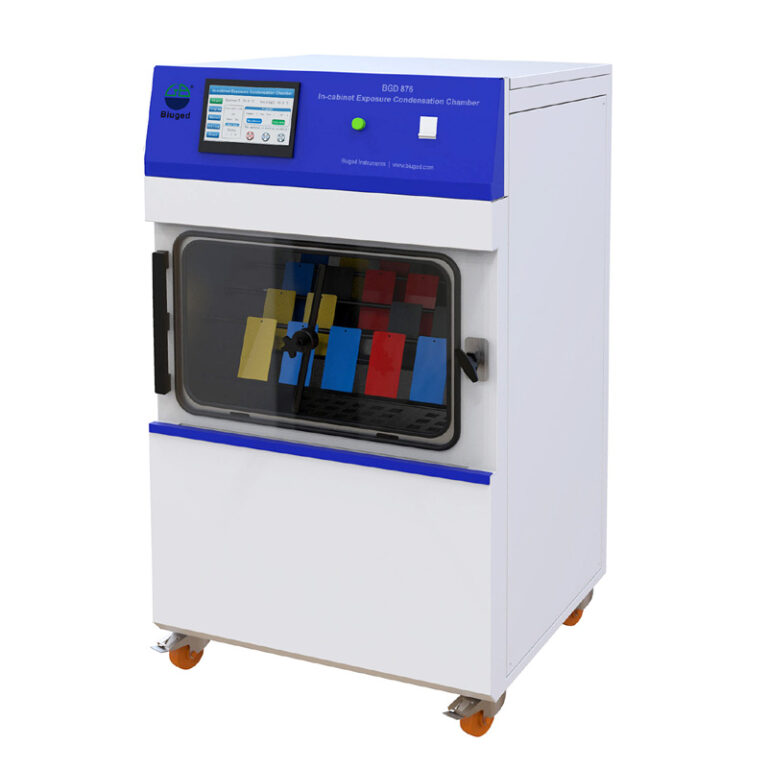
If you want a product that actually gets used, design around the technicians, materials scientists, and procurement people who run and buy the kit. They care about repeatable results, predictable maintenance, and clear data—so begin by watching a tech run a routine on a weathering chamber and note what slows them down. That observation drives priorities: ease of setup, sample handling, and readable output, not just shiny specs.
Profile the core users and their real problems
R&D engineers need accurate accelerated aging that correlates to field life. QC operators want fast cycles and low day-to-day fuss. Lab managers care about uptime and service contracts. Procurement wants total cost of ownership up front. Map those needs, then translate them into measurable product goals: cycle accuracy within ±X%, mean time between failures, service response times, and training time under a set threshold.
Features that matter, ordered by user value
Prioritize features that solve the users’ most frequent headaches: precise control of UV, humidity, and temperature; consistent light flux; easy sample racks; robust data logging with export options; and simple maintenance access. Don’t waste R&D on marginal bells and whistles. Build modularity so labs can add humidity or water spray later without re-buying the whole instrument.
Common mistakes teams keep making
Teams often chase top-tier specs instead of usability, over-customize early versions, and underestimate calibration and service needs. Another trap: assuming one test profile fits all materials. That leads to poor correlation with field data and frustrated users. Keep test-condition configurability and clear documentation front-and-center to avoid these mistakes.
Validate with real workflows, not just bench tests
Run pilot installs in actual labs, not just internal demos. Observe a week of normal use: how samples are loaded, how results are archived, how technicians react to alarms. Measure success by reduced setup time, fewer false alarms, and higher data integrity. Use these metrics to iterate features and pricing—let the user’s daily workflow shape product decisions.
Experience, standards, and one real-world anchor
From running comparative trials at a materials lab in Southern California, I’ve seen how repeatable cycles make or break product credibility—an accelerated weathering tester that drifts 5–10% week-to-week ruins correlation. Follow recognized test methods like ASTM G154 when you document procedures so buyers trust your results, and publish calibration protocols so labs can audit performance reliably.
Alternatives worth evaluating
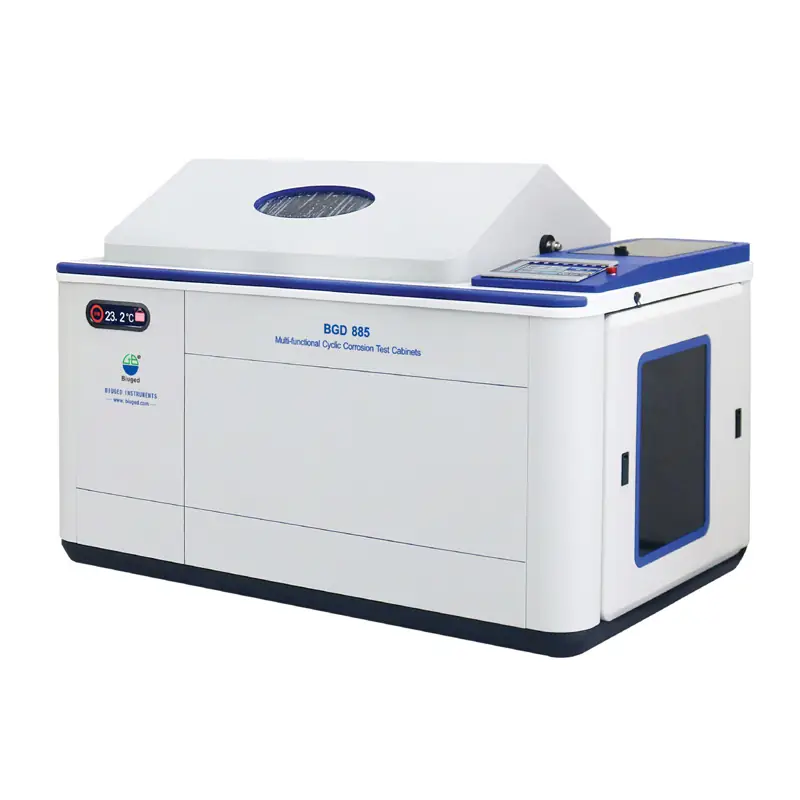
Salt-spray chambers and thermal shock units address different degradation modes. If your target user cares about coating adhesion or corrosion, those might be more relevant than a weathering-focused unit. The trade-off: multi-mode systems cost more and add complexity. Pick a clear primary use-case and offer add-on modules rather than an all-in-one platform too soon.
Concrete rollout checklist
Ship a minimum viable instrument that nails the core workflow, then follow this checklist: 1) onboard two pilot labs for three months, 2) collect setup and maintenance time metrics, 3) refine UI labels based on real users, 4) define calibration and service packages, and 5) build training materials that cut onboarding time in half. Track adoption by repeat orders and reduction in user-reported incidents.
Where this lands for product teams
Design decisions should reduce friction for the people who use and maintain the equipment every day. That focus points you toward modular, reliable instruments with clear documentation and measurable uptime. When those user needs guide engineering and commercial choices, the result aligns with what labs actually buy and keep running—something I’ve seen reflected in partnerships with manufacturers like BIUGED, where practical reliability and serviceability matter most.