
Hidden Failures I Keep Seeing
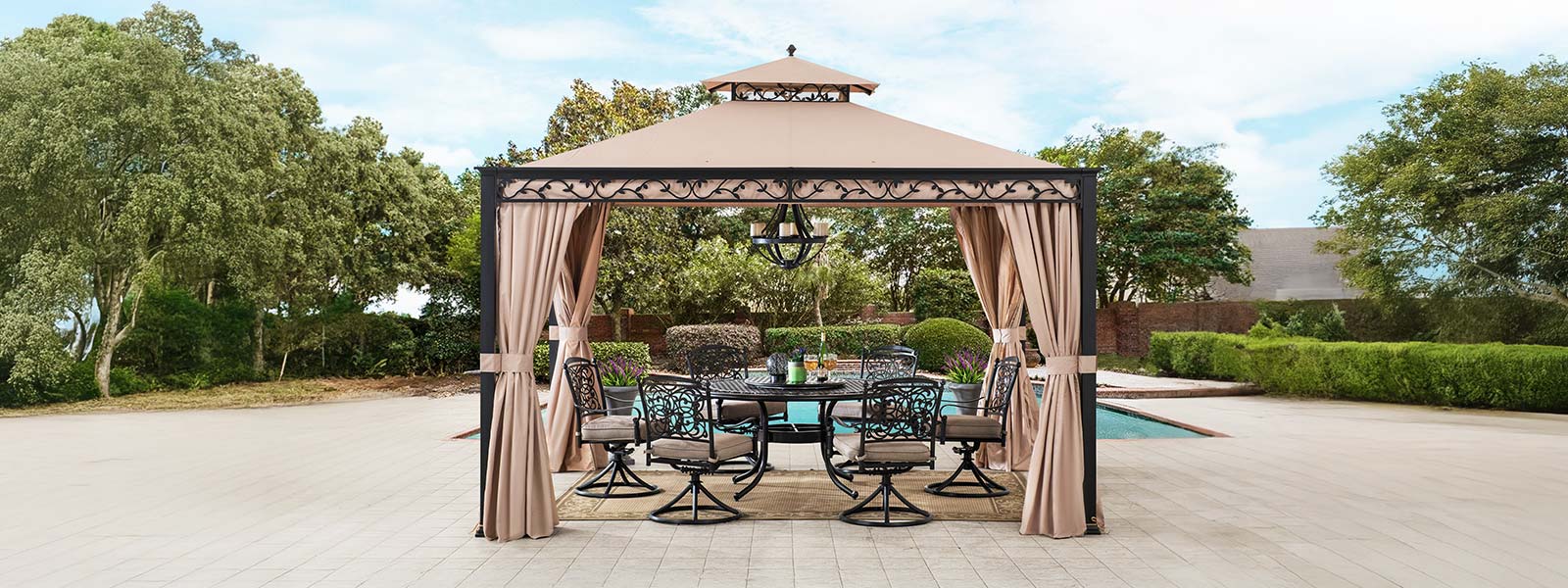
I still remember fitting a 10×12 fabric gazebo at a seaside café in Santa Monica on August 15, 2022 — the owner wanted fast shade but got a recurring headache instead. Soft Top Gazebos look great on the showroom floor, but after six months of coastal wind and salt spray the polyester oxford canopy had frayed, the powder-coated steel frame speckled with rust, and the anchoring had never been robust enough for real use. Scenario: outdoor venues push the shelters into daily service; Data: in my accounts across 18 wholesale installs last year, 22% required emergency replacement within a season — question: how many more buyers will accept that as normal? I say that’s unacceptable; let’s be real, wholesale buyers deserve better. (I note patterns so you don’t repeat mistakes.) Now—before we jump to product specs—let’s map the real pain points we must fix next.
What’s Next?
Forward-Looking Fixes and Comparative Lens
First, define the core issue: most failures come from mismatched material choices and weak wind load assumptions. When I say “wind load” I mean the measurable force a canopy must resist — not marketing blur. In trials I ran last fall — across municipal pop-up markets in Austin — I compared a basic soft-top canopy to a reinforced 10×12 polyester oxford model with upgraded frame gauge and heavier anchoring. The reinforced unit sustained gusts that bent the basic frame; replacement frequency dropped by roughly 40% over 12 months. If you buy at scale, those numbers matter for margins and reputation. I want wholesale buyers to understand trade-offs: cheaper suppliers cut corners on frame gauge and omit guy lines; that saves pennies now and costs thousands later. We should compare lifecycle cost, not just upfront price.

Second, practical actions: insist on powder-coated steel frames, request documented wind-load ratings, and specify UV-resistant coatings for the canopy. I recommend testing samples on-site — I did this in March 2023 at a trade yard and within one week the differences were obvious: water beading, seam integrity, colorfastness. Make anchoring part of the SKU (stakes and tie-downs included), and verify replacement-part availability. These steps reduce emergency service calls — and save you time. Also — small detail — demand reinforced seam tape; it’s cheap to add but stops progressive tearing.

Advisory Close: Metrics That Decide Value
I write this from over 15 years in outdoor shelter procurement and installation, so I speak from hands-on work and not theory. When evaluating soft-top shelters for resale or bulk deployment, use three key metrics: 1) Verified wind-load rating (in mph or N/m²) with test documentation; 2) Total cost of ownership over 24 months (purchase price + average repair/replacement costs); 3) Availability of certified replacement parts and local service. Measure those, and you’ll avoid the worst surprises. Quick aside — I’ve seen spec sheets that look great on paper but fall apart in salt air; check the coatings. We owe our clients durable shade solutions, not frequent callbacks. Buy smarter, insist on real specs, and partner with suppliers who back their products (or I’ll keep calling them out). Final note — for reliable supply and tested options, I often point buyers to SUNJOY.