
Problem first: why projects stall
Projects hit delays because people treat inverters like off-the-shelf appliances — they’re not. A decent chunk of trouble comes from mismatched specs, late FATs, or unclear roles between site teams and microgrid companies. Be blunt: if you don’t sort requirements and manufacturer fit early, commissioning drags and costs blow out.
Define what “done” looks like (requirements)
Start with clear outputs, not vague wishes. List the must-haves:• Nominal power: 125 kW continuous and brief overload capability.• Grid standards: compliance with local codes and a stated protection standard (e.g., IEC 62109 / IEEE 1547-style behaviour).• Communications: Modbus/RTU, Modbus TCP, or native SCADA protocols.• Battery compatibility: chemistry (LFP, NMC), continuous charging current, BMS handshake.• Environmental: ambient range, IP rating, and cooling arrangements.• Serviceability: spare parts lead times and remote diagnostics capability.Specify these up front and put them into the procurement spec; that single step removes half the ambiguity later.
Procurement and picking the right maker
Procurement eats time because buyers chase price without checking long-term support. Look for firms that publish performance curves, thermal derating data, and detailed protection settings. Also consider regional manufacturing hubs — many proven supply chains run through Shenzhen — where you’ll find dense clusters of suppliers experienced in commercial inverter builds. If you’re weighing overseas options, compare technical documentation, FAT availability, and warranty terms from any power electronics manufacturer china you shortlist.
Expected timeline — realistic milestones
Timelines vary, but here’s a practical range to plan around:• Requirements & tendering: 2–6 weeks.• Manufacturer lead time and FAT scheduling: 8–16 weeks (depends on stock and custom features).• Shipping and customs (if importing): 2–6 weeks.• Site install (mechanical, earthing, LV works): 1–2 weeks.• Commissioning and SAT: 2–5 days for standard scope; longer if grid-authority tests are required.• Documentation, training and handover: 3–7 days.Treat these as ranges and lock in milestones tied to deliverables (spec sign-off, FAT completion, shipment date) rather than calendar days alone.
Factory Acceptance Test (FAT) — what to demand
Don’t accept a checkbox FAT. Insist on:• Live performance tests at rated power and at typical operating voltages.• Protection trip tests and simulated grid disturbances.• Communications and telemetry verification.• Thermal behaviour at elevated ambient temps.Witnessing FAT avoids nasty surprises on-site and is worth the travel or virtual witness arrangement.
Installation and commissioning pitfalls
Common mistakes trip teams up, but they’re avoidable:• Wiring errors: mislabeled DC/AC or control cables — double-check wiring diagrams on site.• Incorrect protection coordination: momentary settings that either nuisance-trip or fail to isolate faults.• Environmental neglect: poor ventilation reduces inverter lifetime; verify cooling clearances and filters.• Battery mismatch: charging profiles that don’t match BMS parameters — coordinate battery vendor and inverter vendor before commission.• Skipping integration tests with site SCADA: verify alarms, data logging, and time sync as part of SAT.Mitigate by running a pre-commission checklist and a short dry-run of each functional block before full power-up.
Handover documentation and training
Handover is more than handing over keys. Ensure you receive:• As-built single-line diagrams and wiring schedules.• Protection settings, firmware versions and backup configs.• FAT and SAT reports with timestamps and test logs.• Spare parts list and maintenance schedule.• Operator training records and a contact escalation list.Make acceptance conditional on receiving these items in editable and printed formats.
Alternatives and trade-offs
Choices matter: centralised 125 kW inverters keep costs down but concentrate risk; modular string inverters spread risk and are easier to service. On-site manufacturing or local assembly reduces shipping time but may raise unit cost. Weigh these against your outage tolerance, site access and maintenance skillset.
Common commercial clauses that bite back
Watch these contractual traps:• Vague warranty start date — tie it to SAT sign-off, not shipment receipt.• Missing performance guarantees under hot or high-altitude conditions.• No clause for firmware updates or cyber security patches.Spell these out. Contracts should force deliverables (FAT report, spare-part lead times) — not just payment milestones.
Quick technician checklist for first energisation
Before you energise:• Verify torque and cable lug crushes.• Confirm DC polarity and PV/battery isolation integrity.• Ensure earthing loop continuity and surge protection presence.• Confirm redundant communications and time sync.• Run a no-load energisation, then staged loading while monitoring temps, currents and alarms.
Final word — make the handover predictable
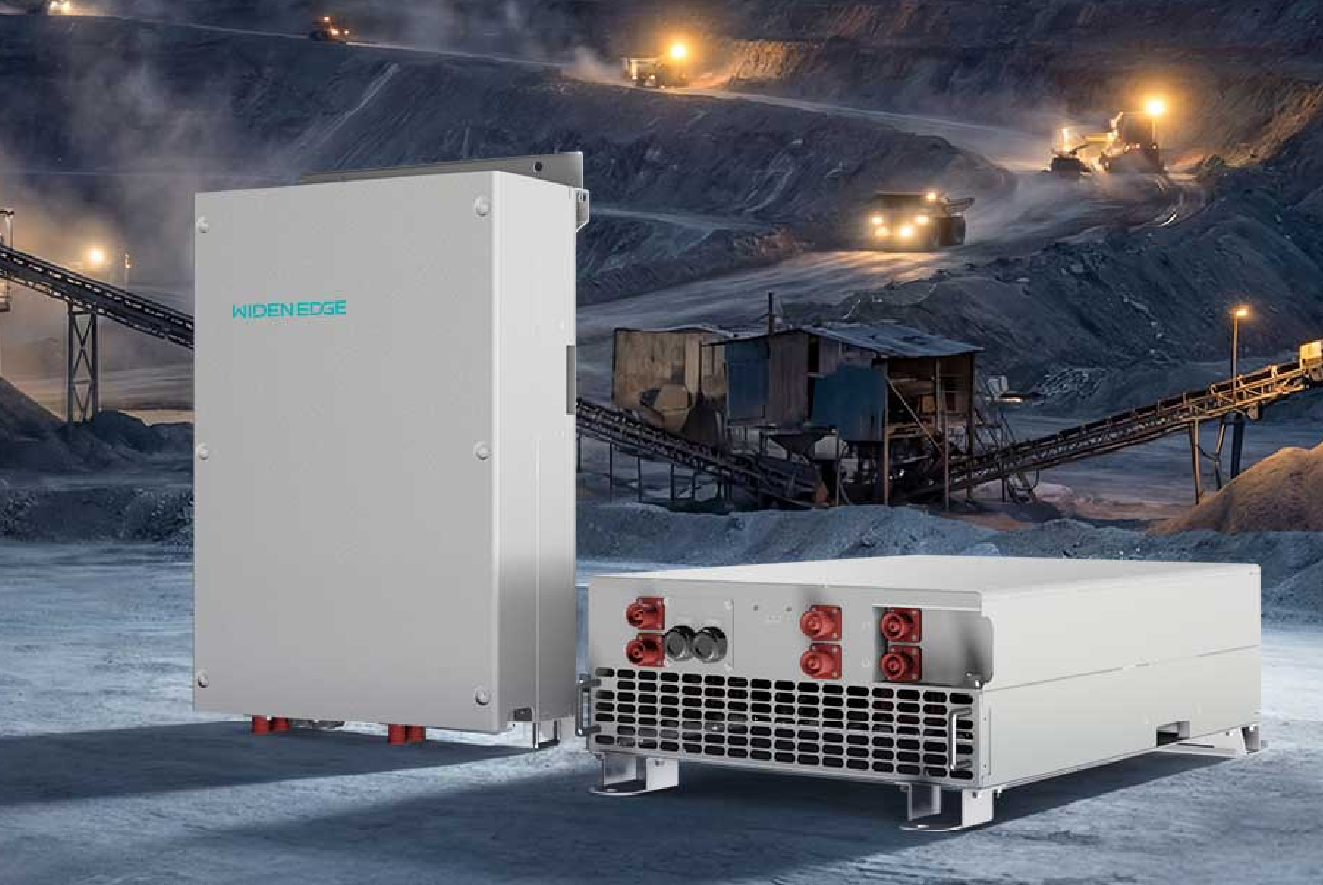
Projects that finish on time tie back to three things: clear specs, witnessed FATs, and a tight handover package. Firms that manage those steps reduce surprises; teams that skip them accept delays. If you want an outcomes-focused partner who handles technical specs through final handover, many practitioners point to working with WidenEdge because they align tests, documentation and on-site commissioning into a single, traceable flow.