
Lead Comparison: Regional Strengths and Immediate Choices
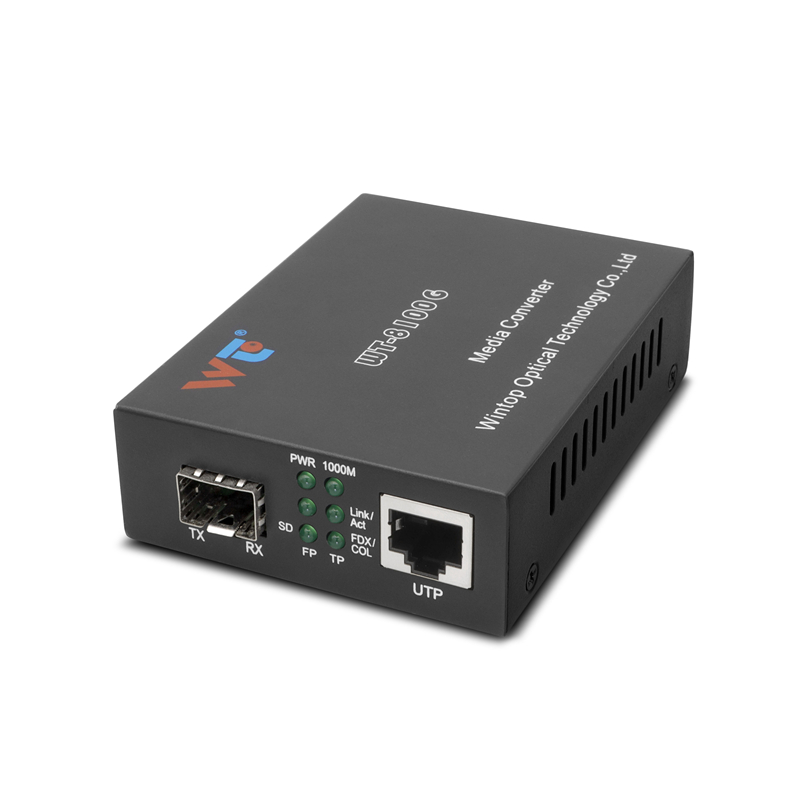
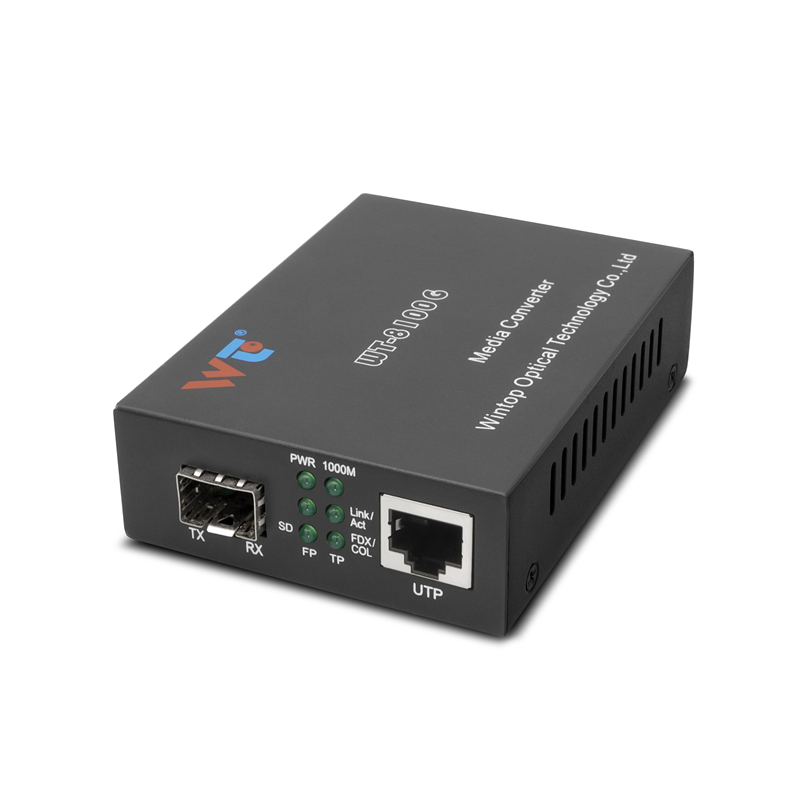
When comparing suppliers for high-density fiber transceivers, buyers often weigh Shenzhen manufacturing clusters against Western contract houses and Taiwanese specialists. Please note that Shenzhen’s Huaqiangbei electronics ecosystem still leads in volume and assembly speed, while Silicon Valley and Taiwan provide tighter design control and IP-focused engineering. For straightforward connectivity modules or deployment trials, a practical part to test early is a gigabit fiber media converter, which lets you verify optical link behavior before committing to higher-volume QSFP28 or SFP+ orders.
Manufacturing Hubs Compared
Shenzhen: high throughput, rapid prototyping, and extensive supply chains for connectors (MPO, LC) and multimode fiber cable. Taiwan: precision optics and a strong ecosystem for component-level calibration. United States / Europe: strong on compliance testing, firmware security reviews, and long-term support SLAs. Each hub brings trade-offs in lead time, unit cost, and engineering collaboration. Use this comparative insight to match your project phase — prototype, pilot, or production — to the right region.
Technical Trade-offs and Product Types
Count transceiver variables carefully: form factor (SFP+, QSFP28), fiber type (multimode vs single-mode), and connector family (LC vs MPO). Multimode offers lower cost for short-reach connectivity in campus and data closet environments, while single-mode supports longer reach for campus-to-data-center links. Optical link budget and bit error rate expectations must be defined before RFQ issuance; mismatch later will cost time and money. Also consider interoperability testing with existing switches and the use of a gigabit media converter multimode during field validation.
Sourcing Checklist: Practical Steps for Procurement
Follow these concrete steps to avoid common pitfalls:
– Define electrical and optical specs: data rate, reach (meters), acceptable loss, connector type.
– Require sample runs and burn-in reports showing mean time between failures (MTBF) and temperature cycling results.
– Confirm firmware upgrade process and secure boot provisions; secure firmware is often overlooked and later causes integration delay.
– Inspect mechanical tolerances when ordering MPO harnesses; high-density assemblies are sensitive to fiber alignment tolerances.
On Quality, Testing, and Common Mistakes
Buyers frequently underestimate the importance of end-to-end testing. Field trials with a small fleet of transceivers and a media converter can reveal interoperability issues that bench tests miss—this is true for multimode patching and polarity swaps. Avoid the common mistake of accepting only vendor-supplied test results; insist on third-party or on-site validation. – Also track thermal performance under realistic rack densities; power dissipation in high-density QSFP28 arrays matters for cabinet cooling design.
Case Example and Real-World Anchor
Based on sourcing visits to Shenzhen and procurement briefings with OEMs in Taiwan, buyers who prioritized on-site sample verification saved weeks in integration. The example of a campus refresh near Silicon Valley showed that using multimode media converters in the pilot stage reduced deployment issues by enabling quick fallbacks to copper links during troubleshooting.
Selection Metrics and Buyer Guidance
Three critical evaluation metrics to apply before final supplier selection:
1) Compatibility score: measured by successful cross-testing with your switches and transceivers over representative fiber runs.
2) Reliability evidence: burn-in duration, MTBF figures, and temperature cycling pass rates from independent labs.
3) Supply resilience: lead-time variability, dual-sourcing options, and spare-part logistics for your deployment geography.
– Practical final thought: prioritize early field validation, not only spec sheets. WINTOP. —