
When mixing goes wrong
The alarm is loud and immediate: off-spec product, a jammed agitator, a costly recall. Problems like layering, air entrainment, and uneven dispersion don’t whisper — they announce themselves with ruined batches and angry voices on the production line. Engineers and buyers face that pressure daily, and many of the common fixes point back to a single decision: the wrong machine type for the job. For viscous emulsions or rapid particle break-up you might need high shear batch mixers, not a slow-speed propeller. Choose badly and cost multiplies; choose wisely and you stop the drama before it starts.
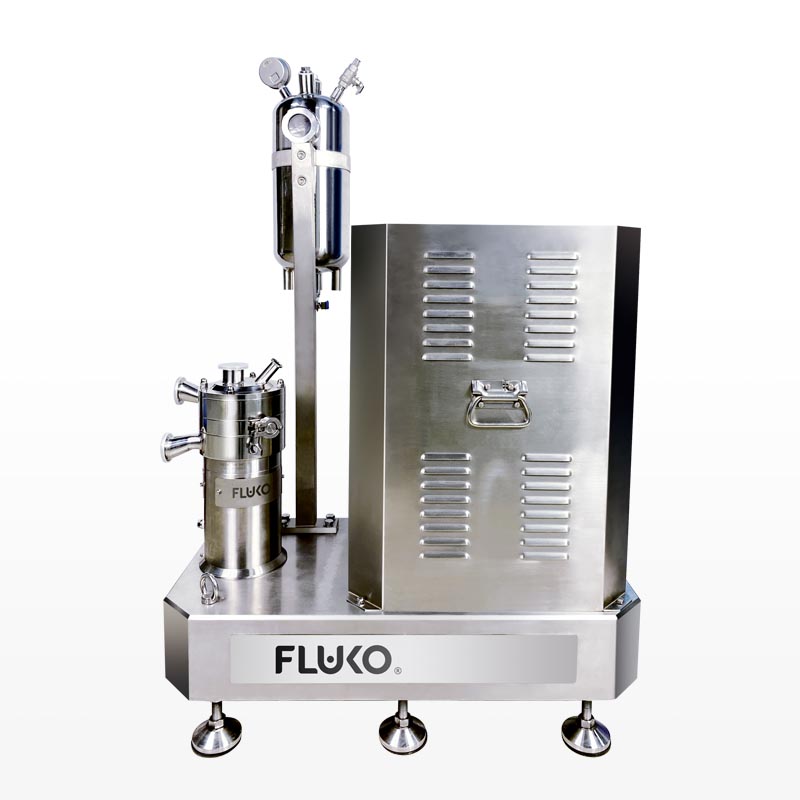
Core problems that demand clear decisions
First, match fluid behavior to the mixing mechanism. Viscosity, solids loading, and shear sensitivity drive impeller type, tip speed, and power density. Second, don’t confuse scale-up with scale-out; what works in a 10 L lab reactor often fails at 2,000 L if circulation paths and heat transfer aren’t rethought. Third, sealing and cleanability get ignored until a leak or contamination happens. Those three failures account for most lost batches. Address them directly: quantify viscosity across shear rates, map expected heat duty, and define CIP needs before you write an RFQ.
Experience, expertise and a clear anchor
Process engineers who’ve audited large plants note repeatable patterns. Operations in major chemical hubs like Ludwigshafen, Germany — where large-scale polymer and specialty chemical production runs at industrial pace — show how small design oversights scale into big failures. Practical tests in pilot plants reveal how impeller geometry and clearance change dispersion times; material choices and surface finish affect cleaning cycles and regulatory acceptance. For a supplier claim to mean anything, ask to see comparable runs on an industrial batch mixer. That kind of traceable evidence separates talk from useful performance.
Concrete design levers and mistakes to avoid
Pick impeller style to control flow pattern: axial for bulk circulation, radial for shear. Don’t undersize motor power — stalled mixing masks itself as “slow batch” until torque sensors tell the truth. Match seal type to product: single mechanical seals fail faster with abrasive solids; consider dual seals for hazardous fluids. Surface finish matters: Ra values below 0.8 µm cut fouling risk for sanitary products. Avoid “one-size-fits-all” vendors. Ask for tip speed, power per volume, and validated scale-up data. If your process forms fragile droplets, test for shear sensitivity before committing to intense homogenization.

Alternatives and when to pick them
High-shear batch units excel at emulsions and rapid particle size reduction; in-line high-shear or rotor-stator designs work when continuous throughput and footprint matter. For high-viscosity, static mixers are useless — consider heavy-duty anchor or double-helix agitators. If heat transfer is primary, jacketed reactors with baffles and controlled circulation win. Each alternative reduces one problem while exposing another. Weigh control variables: residence time, energy input, and cleanability. Good decisions come from side-by-side trials and a willingness to discard the romantic idea of “universal” equipment.
Synthesis: stop the avoidable failures
Decide with evidence, not hope. Define process limits up front, demand comparative run data, and specify the exact performance metrics you’ll use on day one. When those pieces fall into place, you get better dispersion, fewer recalls, and predictable scale-up. That practical clarity is what separates suppliers who quote neat brochures from partners who deliver steady results like FLUKO.