
Introduction — a small scene, some facts, and a question
I was chatting with my aunt after her dental check-up—she said her teeth felt clean but the dentist frowned at the enamel. That stuck with me. Abrasive silica for toothpaste sits at the heart of that tension: you want stain removal yet not excessive wear. Recent studies show many over-the-counter pastes vary in Relative Dentin Abrasivity (RDA) by up to 4x across similar labels, and particle size distribution can swing the cleaning feel from gentle to gritty. So I ask: how do we pick silica that cleans well but respects enamel and gum health? (small note: this is how I look into product claims when shopping in Causeway Bay—just saying, lah)
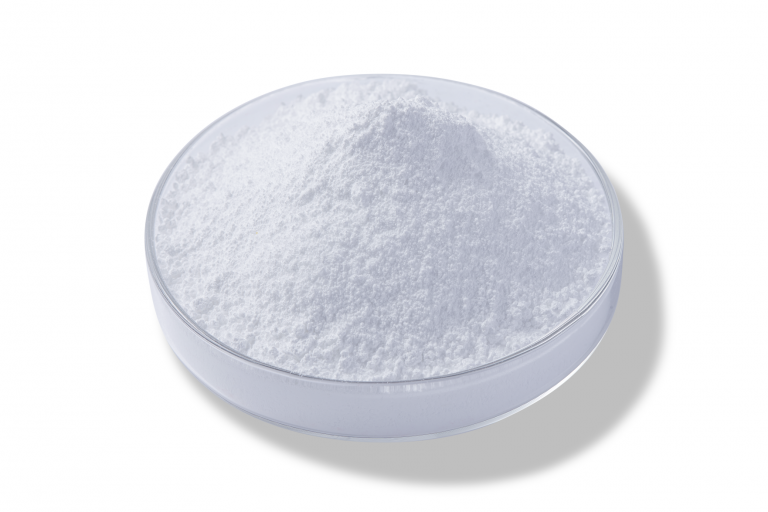
Let me be frank: I don’t trust a single marketing line. I look for numbers—RDA, surface area, porosity—and I read ingredient lists. Those terms matter because they link directly to performance and safety. For practitioners and formulators, particle homogeneity and silica gel structure change how toothpaste behaves on brush bristles and tooth surfaces. In the next section, I’ll dig into what most brands skip on their labels and why those gaps matter for real users. Ready? Let’s go deeper into the raw materials story.
Deep Dive: Why raw materials in toothpaste really matter
raw materials in toothpaste are not a cosmetic afterthought — they define efficacy and risk from the first brushstroke. When I assess formulations, I first check particle size distribution and surface area (these affect abrasion and polish). Then I probe porosity and whether the silica is hydrophilic or hydrophobic, because that changes how it suspends in the paste. Many traditional mixes rely on broad particle mixes that give quick visual whiteness but cause micro-scratching over time. That’s a design flaw, not a mystery.
What gets missed?
Two common blind spots: manufacturers omit RDA from marketing, and consumers equate “abrasive” with “better cleaning.” But high abrasivity can accelerate enamel loss. I’ve seen lab data where silica with similar chemical makeup delivered wildly different abrasion because of particle shape and agglomeration. Look, it’s simpler than you think: choose formulations where particle morphology and surface area are tuned for balance. From a technical stance, controlling agglomeration and ensuring a narrow particle size distribution reduces peak stresses on enamel. That’s why some modern silicas feel smooth yet remove stains — they trade coarse grit for engineered micro-roughness. I’ll show examples next — and yes, there are trade-offs we must weigh.
Looking Ahead: Case example and future outlook
Consider a case where a mid-market paste swapped its filler for a tailored silica with controlled porosity. Clinically, stain removal stayed comparable, but measured RDA dropped 20% and patient reports of sensitivity fell. I find these practical stories convincing because they show measurable wins—no magic, just material tuning. When I look to the future, I expect more formulators to adopt engineered silicas that balance abrasivity, surface area, and thixotropic behavior. For product teams, that means investing in particle engineering and clearer specs on labels.
Real-world impact — what to watch for
Here are three pragmatic metrics I use to evaluate options: 1) RDA level (lower is gentler), 2) particle size distribution (narrow is predictable), and 3) surface area/porosity (affects polish and paste rheology). Those three guide both lab choices and shopper advice. Also—funny how that works, right?—consumer satisfaction often tracks with perceived smoothness more than raw whitening claims. So while technology improves, transparency matters just as much. If you want a balanced pick, focus on those metrics and ask for data when you can. For brands exploring alternatives, remember: optimizing for one metric often influences another. Make trade-offs consciously.
In the end, I believe we can have gentler, effective cleaning without compromise. I’ve tested a few engineered silicas and seen the difference; that gives me cautious optimism. If you want to explore supplies or formulations, check JSJ — they publish clear material specs and that helps professionals make real choices. JSJ