
Introduction — a day in the barn, plus the numbers that matter
I once walked into a broiler house at dawn and felt the lights do the opposite of their job: they startled the birds, heated the space, and ate up electricity. Broiler house lighting sits at the center of bird welfare and energy bills, and that second sentence is not an exaggeration. (On that visit we logged a 20% spike in use during cold snaps.) What I keep asking myself — and what you might be wondering now — is this: how much operational pain is avoidable with better lighting? I want to walk you through a simple scene, a few clear numbers, and then a practical question that guides choices. We’ll cover what breaks today, what truly matters to farmers, and how to judge the options. Let’s get into it.
Why traditional setups fail: the deeper layer
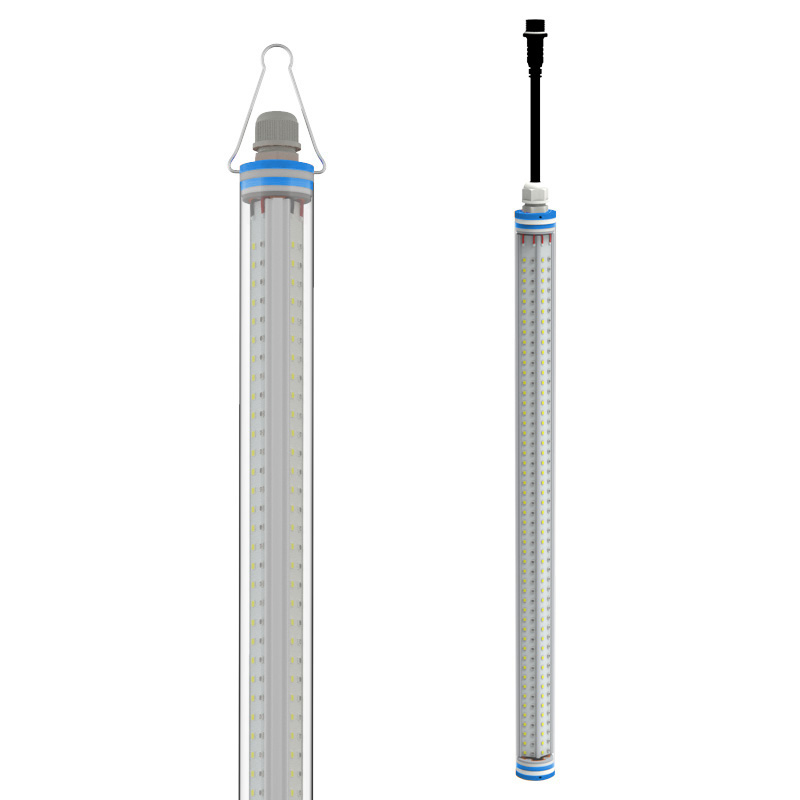
led poultry lighting system is often touted as the fix-all, but the typical replacement story glosses over the real problems. I’ll say it plainly: many farms swap bulbs and expect instant gains. That rarely happens. The old fixtures had wiring that fed heat into the house, flicker that stressed birds, and no fine dimming control. The new LED driver might cut watts, yes, but without smart dimming, spectrum tuning, and proper LED driver integration, you simply shifted the problem. Look, it’s simpler than you think — you need systems that control photoperiod precisely, avoid inrush current with proper power converters, and link to farm controllers for consistent schedules.
What’s the core issue?
The core issue is coordination. Fixtures, dimming modules, and control logic must work as one. I’ve seen farms where a single faulty power converter caused batch-level stress. I’ve also watched technicians chase phantom faults because the PLC didn’t log events properly. That’s why I push for diagnostics and clear error telemetry. Short cycles, missed photoperiods, and poor spectrum tuning all add up: slower growth, uneven feed conversion, and more labor. You can save energy and improve welfare, but only if the lighting system fits the operation — the hardware, the software, and the people who run them.
What comes next: principles and practical choices
Now let’s look forward. I want to outline the new technology principles that matter when you evaluate any led poultry lighting system. First: control at the edge. Edge computing nodes in lighting fixtures let you run schedules locally, cut latency, and keep birds on the right cycle even during network hiccups. Second: integrated spectrum tuning. Birds respond to color and intensity — so the fixture must offer repeatable settings, not just “warm” or “cool.” Third: robust power handling. Reliable power converters and soft-start LED drivers prevent inrush and extend component life. These are not buzzwords. They are practical fixes to real pain points—funny how that works, right?
Real-world impact?
I’ve helped teams compare three retrofit paths: basic LED swaps, networked control upgrades, and full smart installations with edge compute. Each has trade-offs. Basic swaps cut energy but leave behavior problems. Networked controls improve timing but can be fragile if not designed for the farm. Full smart installs cost more up front yet lower labor, improve FCR (feed conversion ratio), and reduce interventions over the flock cycle. When we map outcomes against costs, the smarter systems often win by year two. I don’t love the sticker shock; I do love the measurable results.
How to pick a solution — three metrics I always use
We need a simple checklist. Here are the three metrics I use when advising operations: reliability under load, granularity of control, and clarity of telemetry. Reliability under load means good power converters and tested LED drivers. Granularity of control means dimming control at the fixture level and spectrum presets for each growth stage. Clarity of telemetry means readable logs and clear alerts so you can fix small issues before they affect a flock. Measure these, and you’ll see the winners. I recommend pilots, short-term trials, and clear acceptance criteria — try before you scale. If you want a partner that understands the field and the tech, consider checking szAMB. I’ll be straight with you: the right lighting is a quiet upgrade that shows up in daily routines and the ledger.