
What trips brands up first
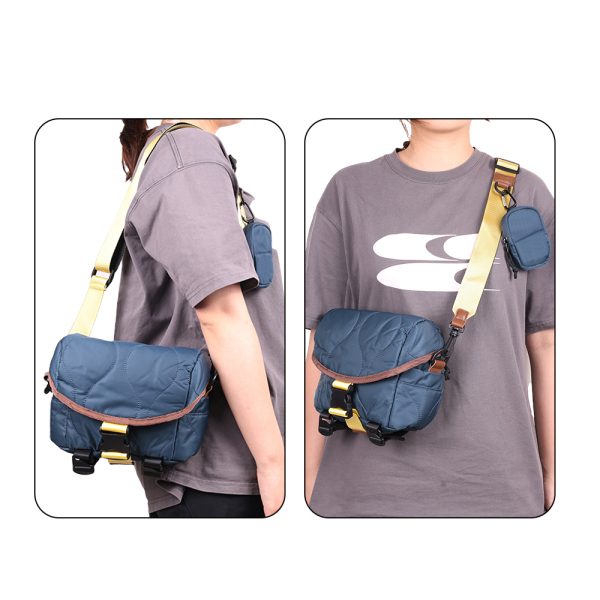
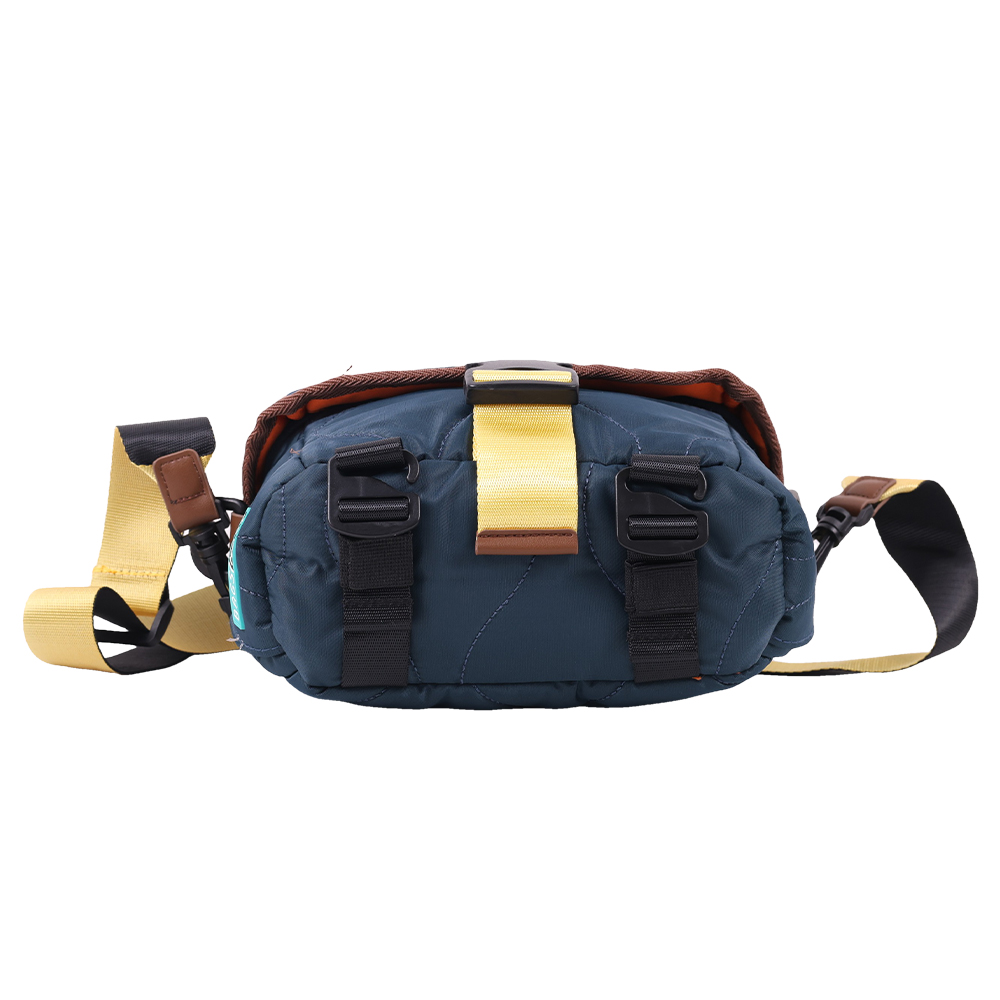
Small brands chasing growth hit production problems fast: inconsistent batches, sudden lead-time jumps, and unpredictable costs. A well-detailed spec for something as simple as a camera sling bag can expose gaps—wrong zipper type, unsuitable padding, unclear seam tolerances—and those gaps become returns, missed orders, or extra tooling bills. Start by naming the failure you’re trying to stop; that clarity steers every decision after.
Typical bottlenecks that stall scale
Materials are the usual choke point: unavailable webbing, slow deliveries for YKK zippers, or switched foam densities. Minimum order quantities create inventory risk; a single SKU misforecast ties up capital. Communication breakdowns during the sample cycle add weeks. Quality control gets treated as optional until a retail buyer rejects a shipment. Logistics costs fluctuate and eat margins when you haven’t planned for port delays or duty. These are operational problems, not brand problems—fixes are procedural and measurable.
Practical fixes that reduce failure rates
Standardise specs and lock them into a single tech pack that includes measurements, stitch types, and acceptable material suppliers. Phase runs: validate with a pre-production pilot of 100–300 units before committing to full runs. Negotiate staggered MOQs or rework packaging to lower per-unit costs. Add in-line QC checkpoints and a final random-sample inspection. Use modular design so variants share components; that shrinks SKUs without killing choice. Track lead-time variance for each supplier and price that risk into reorder points.
Alternatives and trade-offs
Making in-house gives control but ties up capital and management time. Full contract manufacturing lowers overhead but demands tight specs and audits. White-label lets you test retail quickly but limits differentiation and quality control. Nearshoring shortens feedback loops at a higher per-unit price. No single path is perfect; pick the one that matches cash runway, technical complexity, and how distinctive your product must remain.
Experience, evidence and a clear market anchor
Years of reviewing accessory brands and auditing suppliers show the same pattern: better documentation and earlier testing cut defects by half. Major trade events such as Photokina provide visible proof—buyers and manufacturers converge there to compare build quality and material sourcing, and the conversations validate which construction choices hold up in field use. For makers focused on field-ready camera gear, examining how peers present photography sling bags at those shows clarifies market expectations and acceptable tolerances.
Common mistakes to avoid
Don’t chase the cheapest quote without a sample cycle. Don’t skip a stress test on seams and zippers. Don’t let packaging be an afterthought—damaged bags return fast. Don’t assume a single successful run scales linearly; scale brings new failure modes. Budget time and money for two sample iterations and one pilot production run. Track defect reasons and fix the process, not just the part.
Where this leads
Solving scale is straightforward work: tighten specs, test early, choose the right production model, and measure every delay. That approach turns production from a guessing game into a predictable sequence so the brand can sell reliably and expand SKUs without shock. Partners who live on those standards—those who accept staged pilots, clear tech packs, and shared QC metrics—make scaling practical, and that is precisely the operational model behind ChangRong.