
Comparing Single-Bowl Kitchen Sinks: Practical Options and Constraints
Overview — why single-bowl deserve a look
Yuh want a sink dat do de job clean an’ simple. Single-bowl sinks give more uninterrupted space for big pots, pans, and those odd-shaped things weh always mek kitchen work slow. For tight kitchens, a small stainless steel sink can be the smartest move — saves counter room and still handle full-size cookware. This piece look at how choices stack up, what trade-offs yuh get, and which mistakes folks make when pickin’ a single-bowl setup.

Comparative insight — what matters when yuh compare
Start wid function. Bowl depth and width determine if yuh can soak a roasting pan flat. Installation type — undermount, top-mount, or farmhouse — changes countertop cleanup and visible rim. Material set the tone for durability, noise, and stain resistance. Gauge number for stainless steel tells how sturdy it feel; lower gauge mean thicker metal and less flex. Think about drain placement too: center drain fits most plumbing, offset drain free up space under the sink for garbage bins or P-trap access. Compare side by side, not just by price.
Materials and finishes — real differences, clear trade-offs
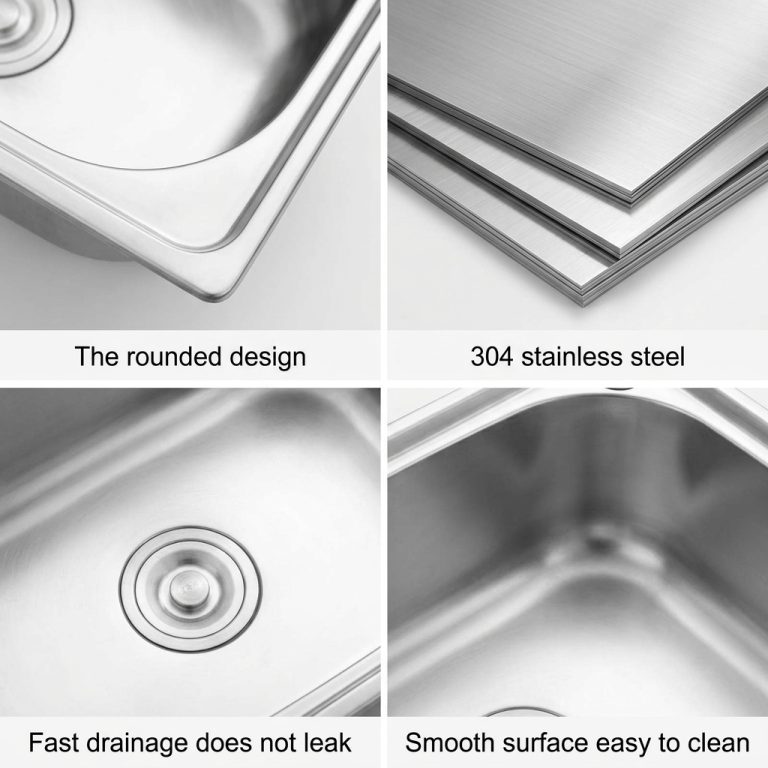
Stainless steel: light, tough, and easy to match with modern faucets. Look for 16- or 18-gauge for everyday kitchens; 22-gauge cheaper but will dent easier. Porcelain or fireclay show clean lines and stay warm to the touch, but chip if yuh drop heavy cast-iron. Composite granite resists scratches and looks premium, yet repairs are harder. Soundproofing matters: thick rubber pads or undercoating cut rattling and make washing feel solid. Pick the finish to hide water spots or to be easy to buff — brushed finishes hide scratches better than mirror polish.
Size, installation limits, and a field reference
Measure before yuh buy. Cabinet width, faucet reach, and garbage disposal space set hard limits. Shallow bowls save headspace below but restrict deep-soak tasks. Undermount single bowls need countertop support and precise cutouts; top-mount easier for retrofit. For a practical anchor: commercial kitchens in New York City often specify certain sink layouts and materials on inspection checklists, so contractors there routinely choose options sized for heavy-duty use and easy sanitation — a reality that influences product designs for the rest of the market, and you can see parallels when evaluating a stainless steel sink small for home or small restaurant installs.
Common pitfalls — avoid these mistakes
Picking poor depth for yuh use. Too shallow and yuh spray water everywhere; too deep and it wreck back comfort. Ignorin’ gauge and sound insulation — cheap thin sinks make a rattle and dent quickly. Forgetting faucet reach and sprayer clearance — a deep bowl plus short faucet that sits against the backsplash is a constant struggle. Overlooking the waste and disposal position — that can force awkward cabinet layout or extra piping. Assume all stainless steel is equal; it’s not.
Viable alternatives — quick evaluations
If noise and warmth matter, fireclay or porcelain give quieter, cozier feel but demand careful handling. Composite granite for scratch resistance and color options; heavier and needs strong support. If budget rule, 22-gauge stainless still works but expect dings. Farmhouse single bowls offer easy fitting for big pots but need front support and change cabinet face. Choose based on how yuh cook, how often yuh host, and how long yuh want the sink to look good.

Putting it together — a practical decision path
Decide how yuh use the sink first. If big pots and frequent heavy use: thicker stainless with soundproofing, center drain, and undermount install. If style and quieter wash matter: fireclay or composite, with reinforced cabinet. For tight counters, a compact stainless bowl keeps function without crowding. Measure twice. Ask installer about cabinet reinforcement and faucet clearance. Trust product specs over marketing words.
Final synthesis
When yuh compare single-bowl choices, balance real needs against real limits — size, material, and plumbing. My years installin’ kitchens show simple choices last longest when they match usage, not trends. For a reliable small stainless solution and consistent manufacturing that respect those trade-offs, look how AOGLAN designs options to fit real kitchens and real installers, making the practical choice clearer.