
A Shifting Landscape
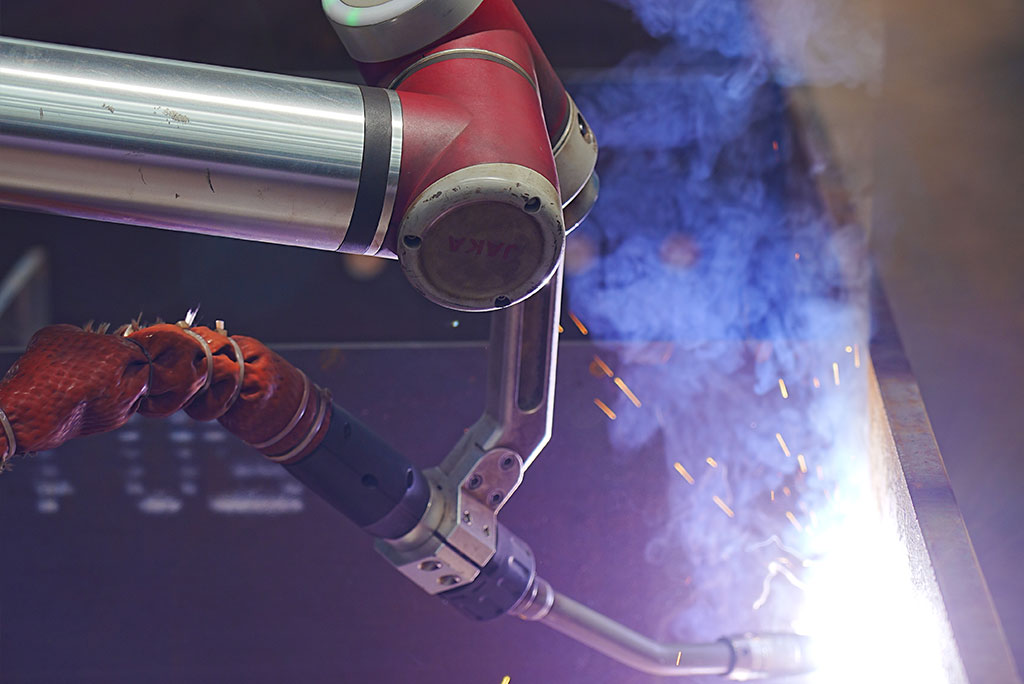
Picture this: a bustling factory floor, machines whirring, and workers optimizing their hours. Recent studies show that about 80% of manufacturing executives are now willing to invest in automation. With industrial collaborative robots becoming more prevalent in this scenario, I often find myself pondering: how can businesses harness their full potential without losing the human touch?
The Flaws of Traditional Manufacturing Solutions
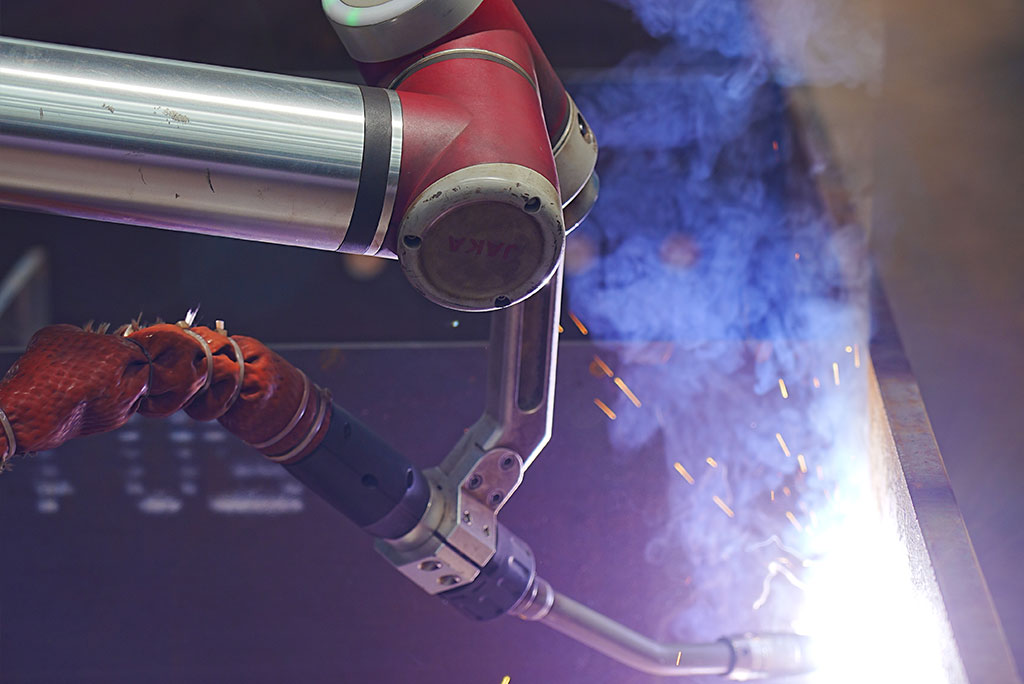
For years, I’ve witnessed firsthand the shortcomings of conventional manufacturing processes. Manual labor can lead to inefficiencies and even workplace accidents, while rigid automation systems often lack the flexibility needed to adapt to rapidly changing demands. Enter industrial collaborative robots, or cobots as they’re commonly called. These innovative machines are designed to work alongside human workers, alleviating some of the burdens presented by traditional solutions. Trust me, when I first encountered a collaborative robot, I was taken aback by how seamlessly they integrated into workflows—tailoring tasks to fit not just the machines’ capabilities but also the operators’.
Why Are Cobots Gaining Popularity?
What’s driving this shift to *co-bots*? They provide enhanced productivity without the heavy price tags associated with other automation systems. Plus, they add a layer of safety to environments where precise and repetitive tasks are routine. Industrial collaborative robots are equipped with advanced sensors and AI capabilities, making them adept at minimizing errors and working safely alongside people.
Future-Proofing Manufacturing with Enhanced Flexibility
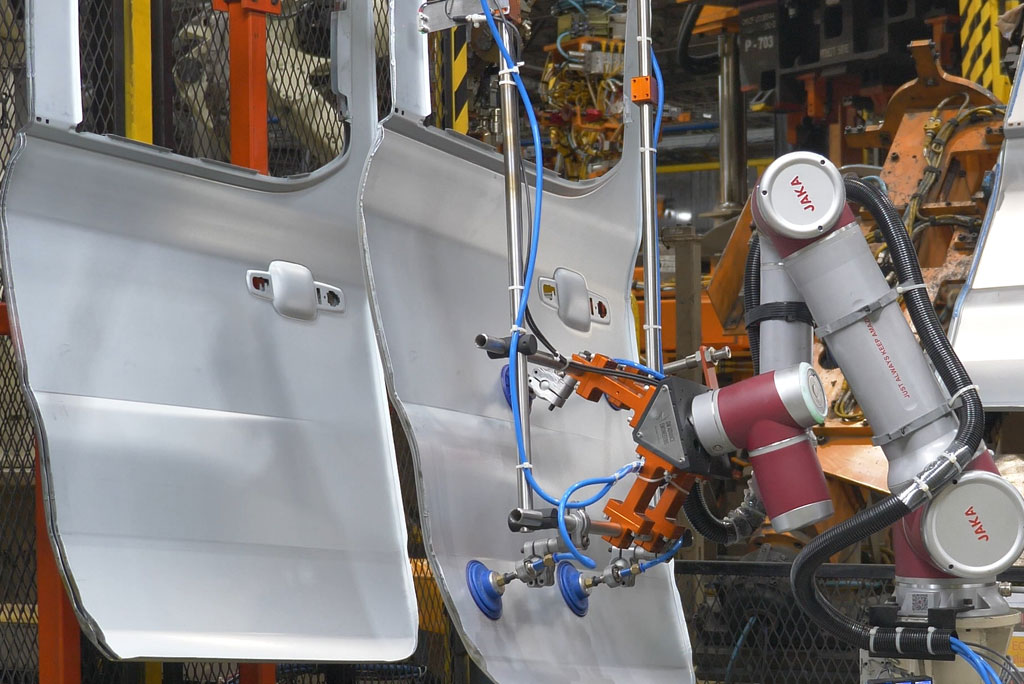
Looking ahead, the landscape for manufacturing is changing at a breakneck pace. Companies that leverage industrial collaborative robots will likely see a significant competitive edge, especially in industries where personalization and rapid adaptation are key. Imagine a manufacturing line that can adjust production schedules on the fly, responding to real-time data. That’s the future I foresee, where cobots not only enhance productivity but also create dynamic work environments.
What Are the Real-world Impacts?
Not many manufacturers have fully embraced this tech yet, but those who have often report higher efficiency rates and employee satisfaction. For instance, I remember visiting a textile facility last year in North Carolina where they employed collaborative robots to handle repetitive tasks, allowing their skilled workforce to focus on higher-value creative work. The smile on the supervisor’s face when he shared their 40% increase in output was priceless!
Conclusion: Embracing Change and Innovation
So, what’s the takeaway? My experience tells me that the implementation of industrial collaborative robots is not just about technology; it’s also about creating a more engaging and fulfilling workplace. Companies must embrace evaluation metrics like adaptability, user-friendliness, and safety compliance to ensure they choose the right cobot solutions. I firmly believe these robots can redefine our industry’s future, creating a seamless blend of human intuition and machine precision. It’s an exciting time to be in manufacturing, and I can’t wait to see what comes next. Let’s face it, adapting to change is what we do best.
To explore the potential of these groundbreaking technologies, check out JAKA, where innovation meets practical solutions in the world of industrial collaborative robots.