
Why comparison beats guesswork
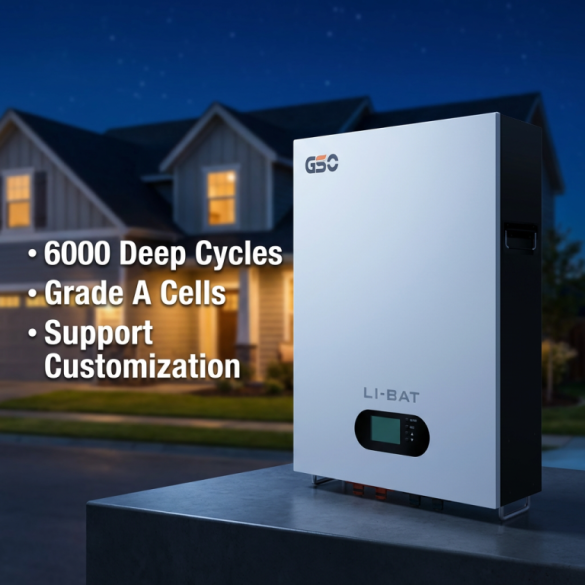
Choosing storage for a commercial estate is less about hype and more about matching real needs — capacity, uptime, and long-term cost. Start with practical comparisons: rack-mounted lithium iron phosphate systems tend to offer higher cycle life and safer chemistry, while other chemistries and architectures trade off energy density or upfront cost. For many site managers the best place to start is a tangible product spec — think modular kWh capacity and warranty terms — and a look at proven commercial battery storage options that fit that profile.
Core criteria that drive decisions
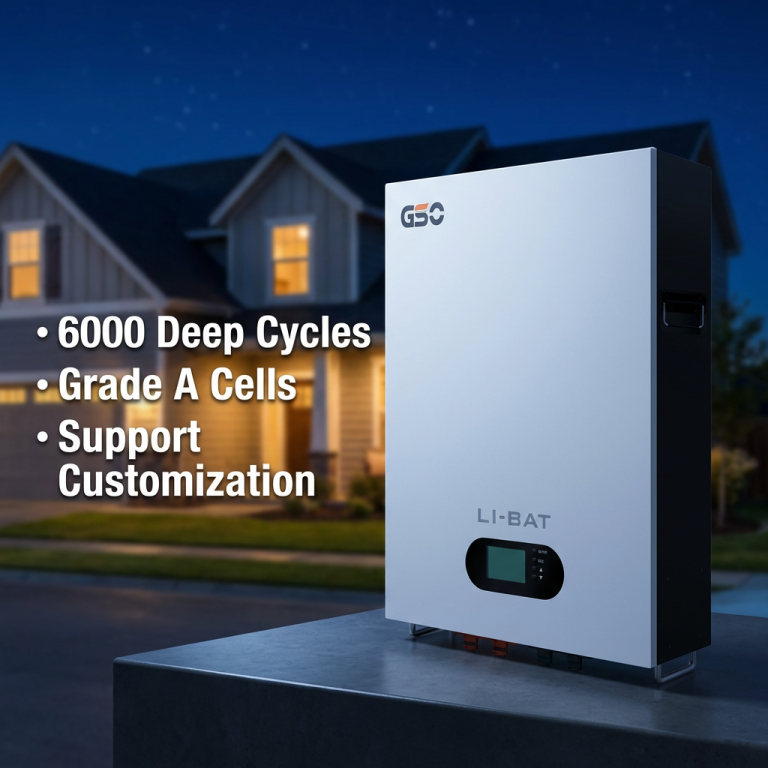
Commercial estates need storage that scales with tenant demands and grid constraints. Key metrics: usable kilowatt-hour (kWh) capacity, cycle life, depth of discharge (DoD), and round-trip efficiency. Also factor in battery management system (BMS) features, thermal management, and compatibility with your chosen inverter. These are operational factors, not marketing lines — treat them like your building’s plumbing or HVAC: they determine long-term reliability and cost.

Direct comparisons: Rack LiFePO4 vs alternatives
Rack-type lithium iron phosphate (LiFePO4) systems usually excel on safety and cycle life, with predictable degradation and strong thermal stability. Lead-acid systems are cheaper upfront but need more maintenance and have shorter lifespans; nickel-based chemistries can offer higher energy density but at higher cost and more complex thermal control. Flow batteries scale well for very large, long-duration needs but require a different maintenance and footprint approach. In short: choose LiFePO4 for compact, maintainable, long-cycle fleets; pick flow or hybrid systems if the estate needs multi-day storage.
Integration realities — what trips projects up
Common mistakes derail otherwise solid projects. Over-sizing capacity without considering DoD and inverter limits wastes capital. Skipping detailed BMS specs or assuming every inverter supports seamless islanding leads to commissioning delays. Ignoring racking and airflow can raise operating temperatures and shorten life. Plan for modular scalability from day one — you want to add racks, not rip out a system. And yes, warranty terms matter; check cycle warranties and end-of-life guarantees.
Case in point: California’s hard lessons
When Public Safety Power Shutoffs hit California, many commercial properties learned the value of on-site storage paired with solar and smart controls. Facilities in the Bay Area and Inland Empire that installed modular, rack-based storage continued operations during outages, avoided lost revenue, and reduced peak demand charges. That real-world anchor — PSPS events and the state’s push toward clean energy under laws like SB 100 — shows how grid risks and policy both shape the commercial storage playbook. For estates aiming for resilient, scalable setups, reviewing available commercial energy storage batteries with clear specs is a practical next step.
Operational trade-offs to weigh
Think in terms of lifecycle cost, not just capital cost. Higher upfront cost for LiFePO4 often beats repeated replacements of cheaper chemistries when you model total cycles, maintenance, and downtime. Also balance energy density against footprint: a denser battery saves space but may need more sophisticated cooling and BMS. Smaller estates may prioritize ease of installation and inverter pairing; larger campuses should prioritize modular scalability and centralized monitoring. — A simple oversight in communications protocols can block remote diagnostics and slow response times.
Advisory: three golden rules for selection
1) Prioritize usable kWh and guaranteed DoD over headline capacity numbers; that tells you what tenants actually get. 2) Verify BMS, inverter compatibility, and communication protocols up front to avoid integration gaps. 3) Model total cost of ownership for at least 10 years, including cycle warranties, maintenance, and projected degradation.