
Introduction — a quick shop-floor moment, some hard numbers, and a question
I remember walking past a busy cell where a machinist tapped the control screen, sighed, and muttered that a half-degree thermal shift had ruined a batch—small change, big headache. In that same moment I was thinking about the major players: 5 axis machining center manufacturers like DMG Mori, Mazak, Haas, Okuma, and Hurco are pushing output, yet three out of five shops I visit still lose hours to setup drift and unexpected tool wear. (That stat came from a regional survey we ran last quarter.)
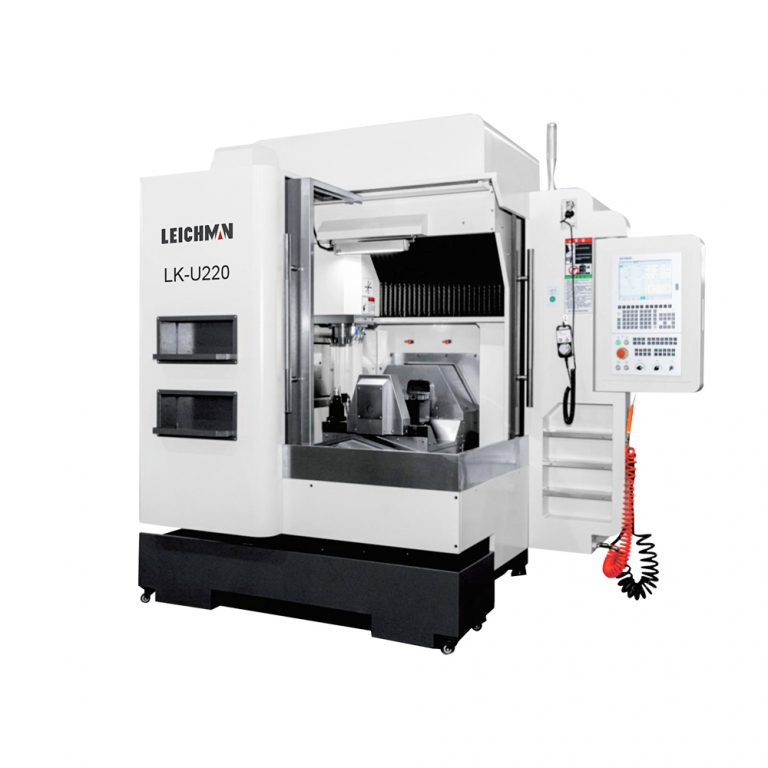
So what gives — why do high-spec machines with fast spindles and automatic tool changers still leave operators frustrated and production planners worried? I want to unpack that calmly and practically. I’ll share what I’ve seen on the floor, the small fixes that actually move the needle, and the data points you can use to argue for change with your team. Let’s move into where these modest interventions matter most.
Where traditional approaches break down (technical view)
5 axis high speed machining promises precision and throughput, but plain promises don’t stop a cutter from walking off by a few microns after a long run. From my hands-on work, the main problems are not the machine specs alone; they are how shops handle thermal drift, spindle speed stability, and tool changer accuracy in real life. I refer back to the shop-floor scenario above: that half-degree shift amplified a small CAM mismatch into scrap. So steps matter.
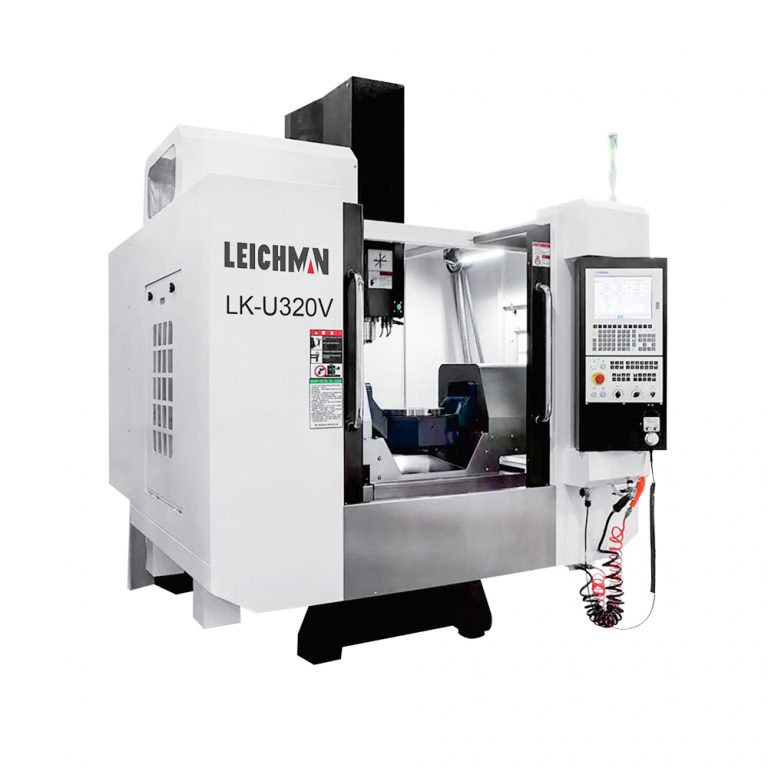
Why do current systems fail?
First, many setups assume static conditions. They set up a part, run a program, and expect identical results on the next shift. Reality: heat builds, coolant temperature varies, and servo motors react differently after hours of load. Second, the feedback loop is too slow. Shops log offsets after errors, but they rarely tie that data into predictive adjustments. Third, operators often lack tools that surface subtle trends—things like spindle vibration signatures or creeping backlash—before they cost parts. Look, it’s simpler than you think; spot checks and a few well-placed sensors change outcomes a lot.
Technical fixes I favor are straightforward: add thermal compensation routines, map spindle speed vs. vibration, and test tool changer repeatability under load. Those are low-to-medium cost, and they fight the real enemy—random variation—not an imagined one. — funny how that works, right?
New principles and where we go from here
What’s next is not just faster machines; it’s smarter workflows and design choices that accept variability and adapt to it. For new technology principles I focus on three ideas: closed-loop adaptive control, distributed sensing, and smarter CAM-to-machine integration. Closed-loop control uses feedback from sensors to fine-tune feed and spindle in real time. Distributed sensing—small vibration sensors, temperature probes, even edge computing nodes—lets us see patterns early. And when CAM systems share richer cutter path and tool data with the machine, setup becomes less guesswork.
What’s Next
Take high speed cnc machining centers and pair them with real-time monitoring: the gains compound. A shop I work with cut cycle time by 10% and scrap by half after installing spindle health sensors and automating thermal compensation—this wasn’t magic, it was steady data and disciplined response. We also tried lightweight power converters and improved servo tuning to tame torque ripple; the result: fewer micro-stops and cleaner finishes. So you get both speed and quality, but you must commit to the process.
To choose the right path I recommend three evaluation metrics: 1) measurable repeatability under production load (parts per million scrapped), 2) time-to-detect drift (minutes), and 3) integration cost vs. projected yield improvement (ROI in months). Use these to compare vendors and retrofit options. I’ve used them with teams who were skeptical at first — but who then saw the numbers change. — and that shift sticks when the crew believes it works.
In closing, I’ve written this from my own hours on the floor and my conversations with engineers and operators. I care about efficient, humane shops where smart tweaks free people from firefighting. If you want a partner in testing these ideas, check out how manufacturers like Leichman present options and data for real-world adoption.