
The Present Trouble: NOx and the Water-Heater
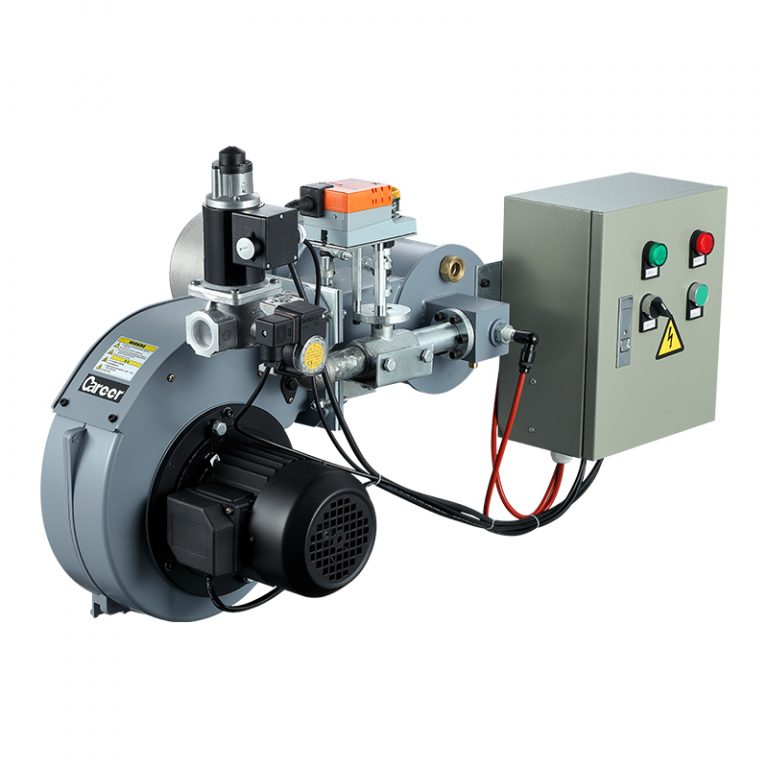
Combustion produces heat and, all too often, nitrogen oxides; the question is how to keep heat without the taint. Plants that feed steam and hot water to processes confront two demands at once: control emissions and preserve thermal delivery. A modern industrial gas burner tailored for water heaters addresses both concerns by altering flame shape, residence time, and air-fuel staging so that NOx formation is restrained while heat transfer remains true.
What Low-NOx Burners Do, Technically
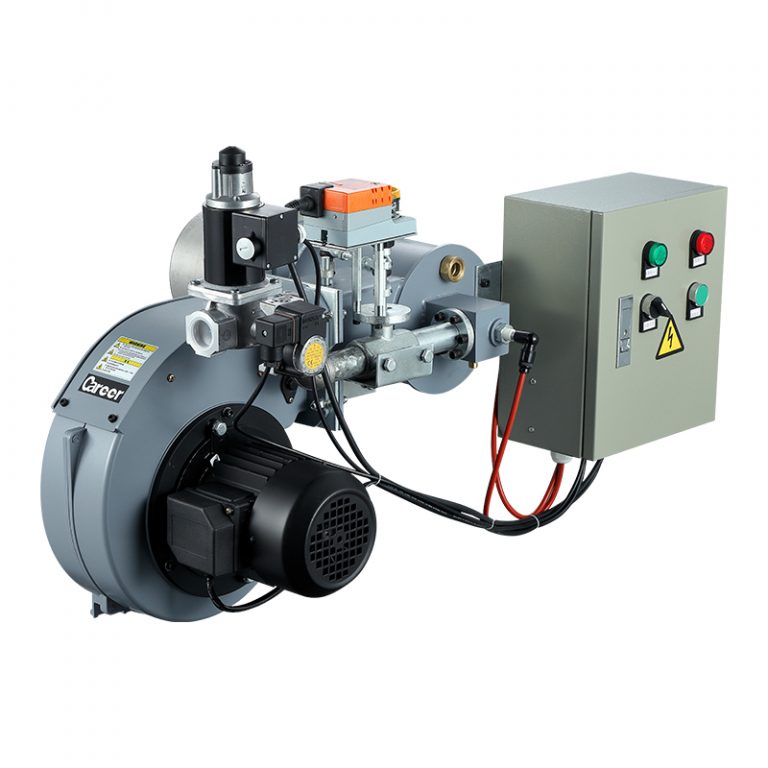
Low-NOx burners reduce peak flame temperatures and limit the availability of free oxygen where fuel-rich zones form, thus curbing the chemical pathways that yield NOx. They achieve this by staged combustion, premixed lean burners, or by recirculating flue gases inline. These are not mere niceties; they are calculated interventions in flame chemistry that require accurate modulation and robust control of combustion air.
Why This Problem Demands Attention
NOx is not an abstract mark on a spreadsheet. It causes smog, respiratory harm, and regulatory reprisals. Facilities discover swiftly that permitting constraints, stack testing, and community pressures will interrupt operations unless combustion is disciplined. The central problem is that casual retrofitting or underspecified designs produce marginal gains and significant operational headaches.
Assessing Alternatives: A Clear Comparison
Operators often weigh low-NOx burners against two approaches: add-on abatement like selective catalytic reduction (SCR) or systemic changes such as switching fuels. SCR is effective for very tight limits but adds capital cost, periodic catalyst replacement, and space demands. Fuel switching alters supply chains and may be impracticable. Low-NOx burners, by contrast, act at the source and usually deliver the best ratio of emission reduction to upfront cost for packaged water heaters. The correct choice depends on emissions targets, plant layout, and operating hours.

Pitfalls That Convert Savings into Setbacks
Common errors are insistence upon maximum firing rates without control modulation, neglecting matched turndown ratios, and poor attention to maintenance of burner ports and sensors. Failure to tune the air-fuel curve invites oscillation, so engineers must avoid undersizing combustion air control or overrelying on trial-and-error commissioning. Materials selection matters too; some burners expose headers and seals to corrosive condensates when operated at low loads unless specified otherwise.
Evidence and Practical Grounding
From decades of commissioning work in the Houston refining corridor, I have observed how site realities force adaptation: tight footprints, dual-fuel capability requests, and shifting permit limits shape the final burner specification. That experience aligns with national guidance on emission controls and with the operational character of an industrial natural gas burner deployed in continuous service—where modest design choices alter reliability and emissions for years. Such field exposure informs correct sizing, control strategy, and maintenance scheduling.
Best Practices for Adoption
Select burners with the turndown ratio that matches expected loads; insist on full modulation control rather than fixed steps. Specify access for routine cleaning and verify materials against the expected dew points of flue gases. Commission with calibrated O2 and CO monitoring and document the tuning curve so operators can restore settings after service. If emissions limits are exceptionally stringent, plan a staged approach: begin with a low-NOx burner, prove long-run stability, then evaluate add-on abatement if necessary.
Synthesis: The Practical Value and Where to Find It
The problem-driven truth is plain: control NOx where it forms, maintain heat delivery, and do so with equipment that fits the plant’s operational realities. Those outcomes are achieved by specifying well-engineered low-NOx water-heater burners and by maintaining disciplined commissioning and upkeep; specifications used in pragmatic solutions align with offerings at Career Burners, which reflect the kinds of designs that solve the precise problems named above.