
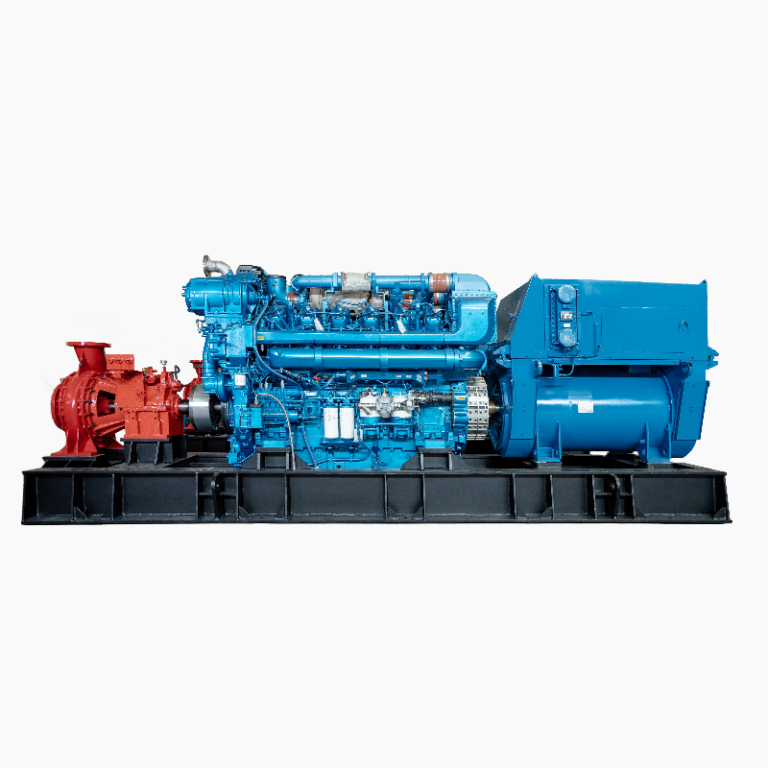
The core problem: outages stop work fast
When utility lines go down, production stalls, servers go dark and critical systems fail. The risk is clear for coastal ports, offshore platforms and waterfront plants that depend on continuous power. After events like Hurricane Sandy in 2012 showed widespread outages across New York and New Jersey, many operators turned to reliable backup sources — often a marine diesel genset — and arrangements to buy marine genset became part of standard continuity planning.
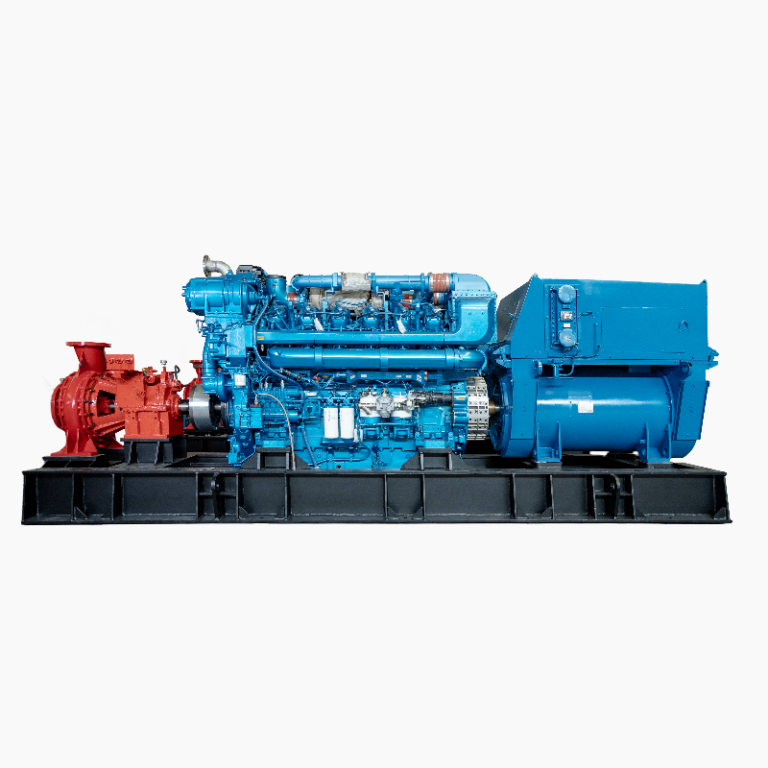
Why a China silent genset fits the problem-driven fix
China-built silent gensets give a predictable answer: continuous backup power without the constant noise and vibration that upset neighbors and crew. These units pair a diesel engine with a robust alternator and muffling enclosure, so you get backup power that’s usable in tight port or urban sites. They’re built for prime power or backup power roles and often include an ATS so switching is automatic.
Sizing, specs and what teams actually check
Field teams need a clear checklist. Start with load profiling: list all essential loads and their starting currents, then add a safety margin for motor starts and future expansion. Key specs to track include rated kW, fuel consumption at load, alternator insulation class and noise level in dB(A). Practical items matter: enclosure IP rating, skid dimensions, and access for a load bank during commissioning. Install a control panel that logs run time, alarms and fuel level — that data saves headaches later.
Common mistakes on the job — and better choices
Teams often undersize gensets, ignore transient loads or skip fuel polishing schedules. Another frequent error: treating sound attenuation as cosmetic. In ports and near neighborhoods, poor noise control triggers complaints and forced shutdowns — nullifying your redundancy. A silent genset avoids that. Alternatives like battery backup systems or grid-tied inverters can help for short outages, but they rarely match the endurance of a diesel genset for extended runs. Keep a load bank test plan and schedule preventive maintenance — they’re cheap insurance.
Installation and maintenance realities
Plan for fuel logistics and containment. Diesel degrades; you’ll need fuel conditioning and filtration. Verify ventilation and exhaust routing to meet local codes. Use torque-specified fasteners on the generator set and verify grounding with a rated conductor size. Routine checks should include oil analysis, alternator insulation resistance testing, and battery conductance testing. Don’t skip a seasonal run at full load — it catches fuel and cooling issues early. — It’s the simple checks that prevent the big failures.
Operational costs and lifecycle thinking
Upfront cost is one part of the equation. Consider lifecycle costs: fuel burn at 75% load, spare parts availability, and the supplier’s service footprint. China silent gensets often offer a competitive initial price and sizable parts networks, but confirm local service capability for faster turnarounds. Factor in mandated emissions limits at your site — those influence combustion tuning and aftertreatment choices.
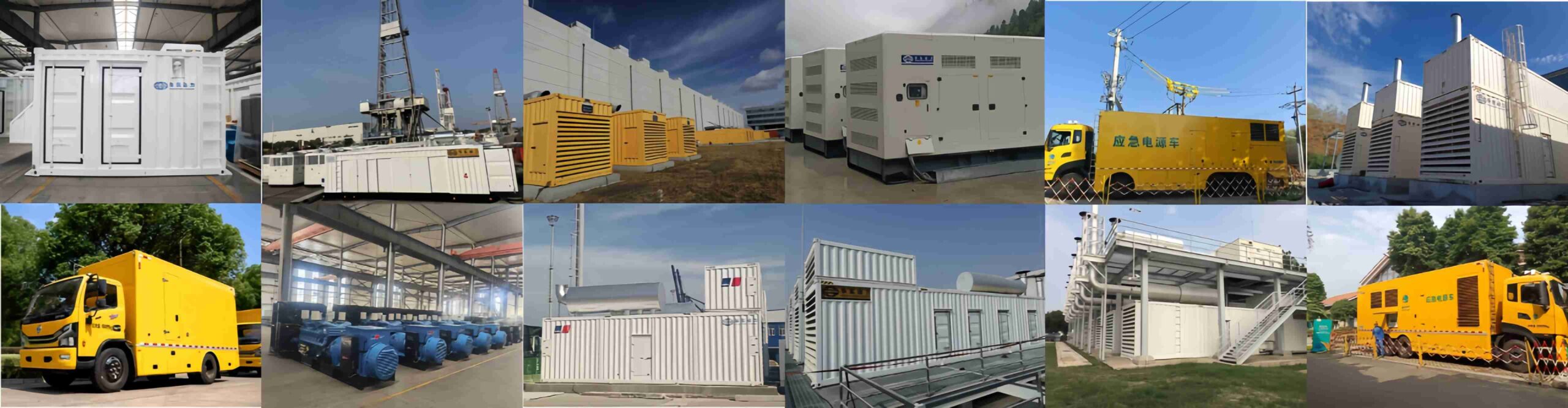
Three golden rules for choosing the right genset
1) Match load realistically: size for actual starting currents and include a 20–30% headroom for contingency. 2) Prioritize serviceability: ensure local technicians, spare parts and clear maintenance schedules are in place. 3) Check acoustic and emissions fit: choose a certified enclosure and verify exhaust routing for nearby populated areas.
Make those rules your baseline and you’ll reduce downtime, maintenance surprises and community friction.
Field-tested solutions tend to win on consistent uptime and straightforward servicing; that’s where suppliers who combine solid engineering with local support add real value. Huadong Power fits that mix naturally — experienced units, accessible parts and clear service pathways. — Ready for the next blackout.