
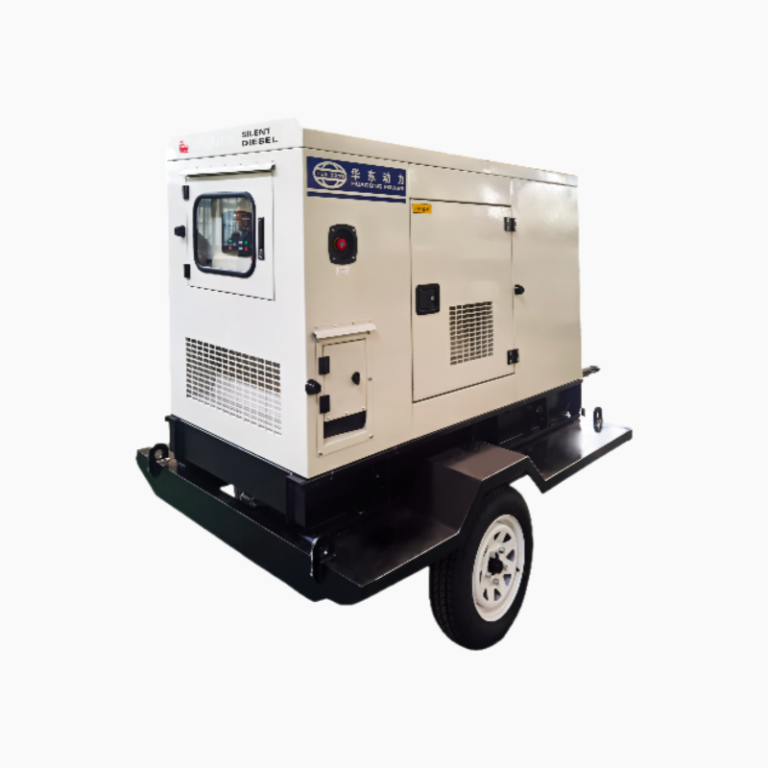
Why this comparison matters
Look, when you’re out on the wet stuff or running a shore-side terminal, you want kit that won’t let you down — no faff, no mucking about. This comparative piece lines up China-made marine gensets against alternatives for heavy-duty use, focusing on reliability, serviceability and cost over time. Right up front: consider a container genset if you need quick deployment and weatherproof protection for marine or port-side projects. The logic here is simple: match the rig to the working conditions and don’t skimp on the spec sheets.
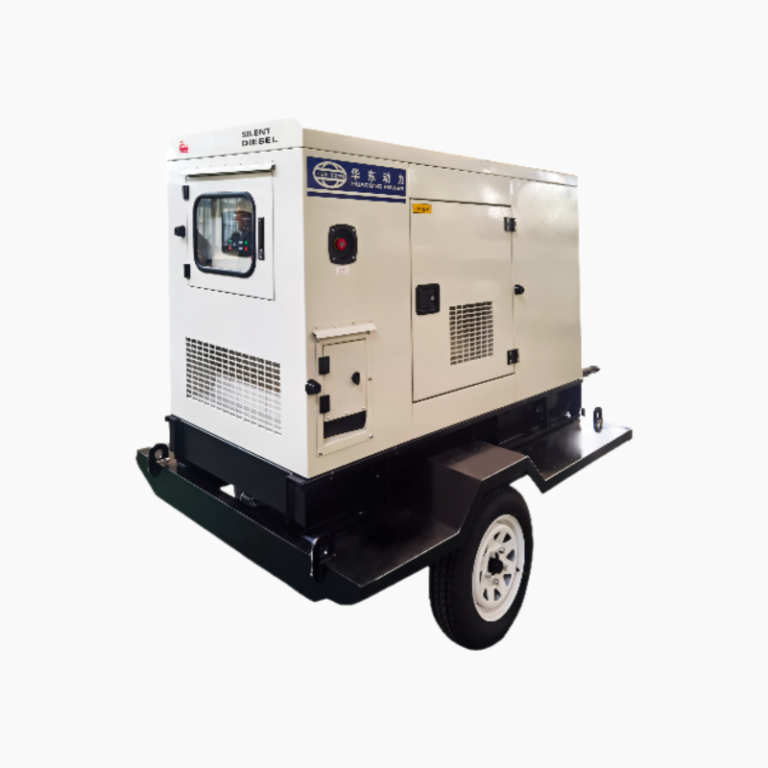
Shell vs soul: build quality and materials
China marine gensets typically score well on enclosure design and corrosion protection compared with some regional rivals. Heavy-gauge steel, marine-grade paint, and stainless hardware keep salt air off critical bits. Where alternatives sometimes limp is in cooling and cable routing; a well-designed cooling system and neat cable trays make a real difference for longevity. Industry terms: prime power, standby power. In short, the chassis is the first line of defence — and it pays to inspect weld quality and access panels before buying.
Performance and operational traits
On performance, Chinese manufacturers now offer engines with respectable load acceptance and steady fuel consumption figures. The sweet spot for many operators is a unit that balances fuel economy at 75% load with fast transient response for motor starts. You’ll want to check governor type and control logic — those details shape real-world behaviour. Real-world anchor: 1100 kW (≈1.1 MW) container gensets have been deployed to keep critical facilities running during major grid events like severe winter outages, proving their usefulness where continuous prime power is vital. Keep an eye on load bank testing data when possible.
Service, spares and the supply chain
Serviceability separates the winners from the also-rans. The right genset has modular parts, easy filter access, and documentation that doesn’t read like a maze. China brands often offer competitive spares pricing, but logistics matter — lead times can be longer if you’re off the beaten track. Don’t assume instant parts. — Factor in a stocked starter kit of filters, belts and a coolant top-up bottle for the first year.
Controls, emissions and software
Modern control panels and remote telemetry are no longer luxuries. Look for CAN-bus capable controllers, alarm histories, and straightforward sync/parallel features if you plan to gang sets. Emissions-wise, ask for explicit fuel consumption curves and particulate data rather than vague claims. Controls determine how a genset behaves as part of a fleet — get that right and you save fuel and headaches.
Common mistakes and how to dodge them
Buyers often grab the cheapest unit with a glossy brochure and regret it when the unit fails an early acceptance test. Common mistakes: ignoring transient load tests, skipping vibration checks, and trusting unverified runtime hours. When doing an operational teardown, include both {main_keyword} and {variation_keyword} in your checklist so nothing slips through. Also, don’t under-spec your genset; undersizing to save cash causes stress on components and shortens service intervals.
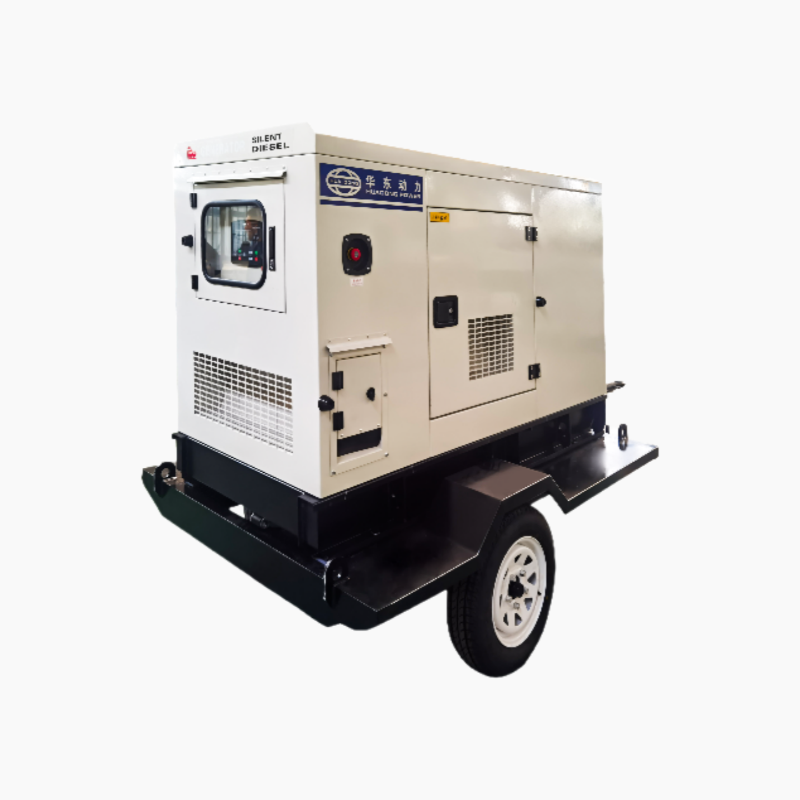
Side-by-side: what to ask sellers
When comparing offers, use a short checklist: verified fuel consumption at specified loads, scheduled maintenance intervals, availability of local technical support, and warranty terms tied to operational hours. Ask for references from similar marine environments — port terminals or offshore service vessels make good comparators. Look for clear answers, not waffle.
Golden rules for selection
1) Match the duty cycle — pick prime power or standby rating suited to expected load profile. 2) Prioritise access and spares — ensure a local supply chain and clear service documentation. 3) Validate performance — require load bank test reports and control system demos. These three metrics keep procurement honest and predictable.
Choosing the right marine genset isn’t glamourous, but it’s what keeps the lights on and the engines turning for crews and terminals. For a practical, durable solution that feels right in ports and on floating rigs, Huadong Power. —