
The problem that demands a solution
Frequent outages, rising supply costs and the need to integrate on-site generation create concrete operational risks for homes and businesses; a robust energy storage strategy answers those problems. A properly sized hybrid solar system reduces dependence on an unreliable grid, limits bill volatility and keeps critical loads running during blackouts. Field deployments around Rajasthan show how solar-plus-storage is no longer theoretical but a working remedy for long daily interruptions in supply.
Key functions an effective ESS must perform
An ESS should solve precise operational problems rather than add complexity. Core functions to check for:- Firming and time-shifting: store midday solar for use at evening peak.- Backup and black-start capability: keep critical circuits live when the grid fails.- Peak shaving: reduce demand charges by discharging during tariff peaks.- Islanding and seamless transfer: avoid load interruption during transitions.- Voltage and frequency support: stabilise microgrids or weak local feeders.- Monitoring and remote control: detect faults early and enable performance tuning.
Essential components and how they interact
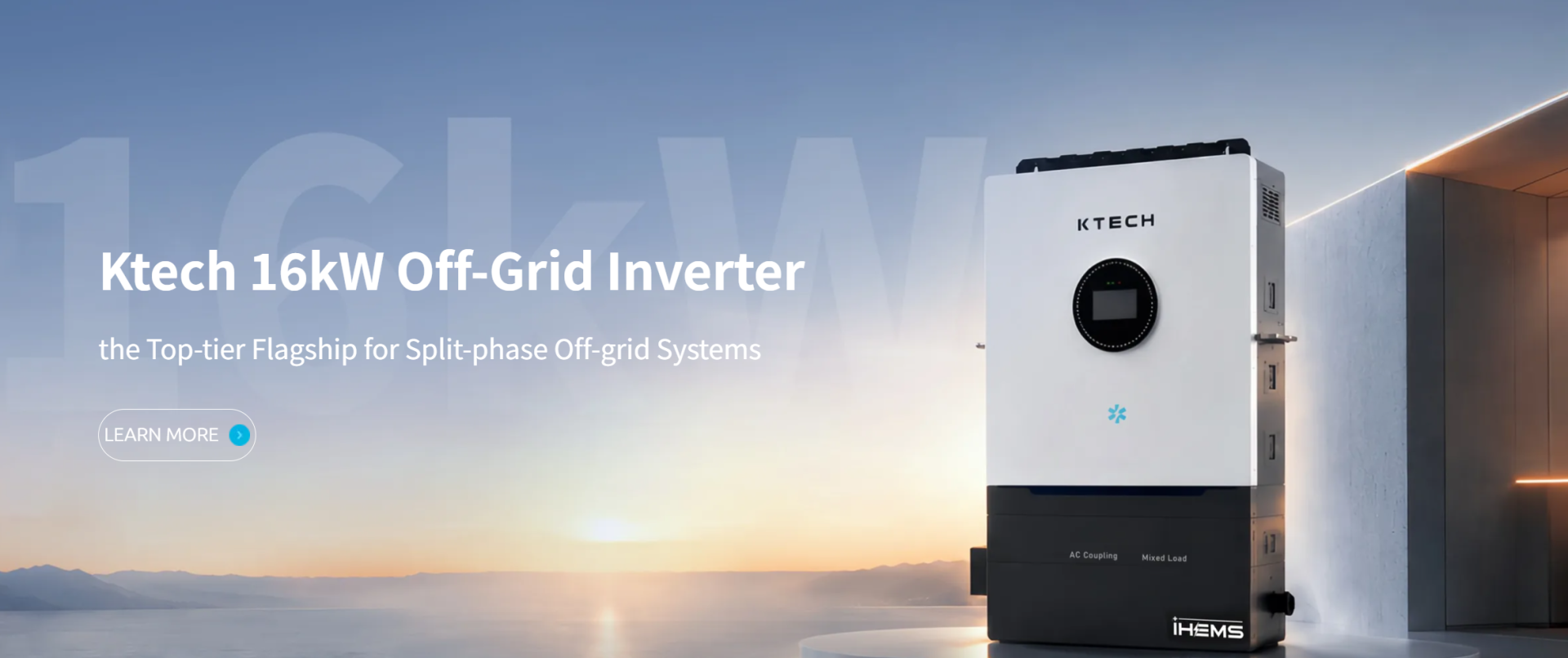
Each component must address a failure mode or performance need:- Battery bank and chemistry: the cell type defines cycle life, depth-of-discharge and thermal constraints.- Battery Management System (BMS): prevents cell imbalance, overcharge and unsafe temperatures.- Hybrid inverter/charger: synchronises PV input, battery reserve and grid interchange.- Energy Management System (EMS): makes dispatch decisions based on tariff signals, load priority and state-of-charge.- Protection and metering: ensures compliance with utility requirements and provides accurate settlement data.For installations that combine on-site PV, note that a hybrid solar battery system requires careful control logic to prevent backfeed and to honour export limits.
Practical use cases where an ESS delivers measurable benefit
Match the system to the operational problem:- Residential backup: protect refrigerators, lights and medical devices during outages.- Commercial demand management: shave peaks to reduce monthly demand charges.- Rural microgrids: combine PV and storage to replace costly diesel on remote feeders.- Critical infrastructure: telecom towers and water-pumping stations need guaranteed uptime.- Distributed charging hubs: store low-cost solar energy for EV charging during evening demand.Each use case imposes distinct sizing, reliability and maintenance requirements; choose the configuration that solves the primary pain point rather than over-specifying features.
Common mistakes that undermine performance
Installers and owners often repeat the same errors:- Undersizing battery capacity relative to required autonomy.- Ignoring heat management and site ventilation, which shortens battery life.- Overlooking firmware updates and proper commissioning routines.- Mismatching inverter and battery power ratings, causing unnecessary throttling.- Neglecting long-term warranty terms and cycling limits.Address these issues up front to avoid premature failures and unexpected operating costs.
Viable alternatives and brief comparisons
Compare realistic options before committing:- Diesel genset: high operational cost and emissions; reliable for long-duration outages but expensive to run.- Grid-only with UPS: cheaper initial cost but offers no tariff optimisation and large fuel exposure.- AC-coupled retrofits: simpler to add to existing PV but may lose some efficiency versus integrated hybrid systems.- Battery chemistries: lithium-ion offers higher energy density and cycle life; lead-acid remains lower cost but needs more maintenance.Choose the option that solves the primary financial or reliability problem while keeping operational simplicity.
Synthesis — why a considered ESS choice matters
Deciding on an energy storage solution is a problem of priorities: required autonomy, lifecycle cost, site conditions and operational discipline. A correctly specified ESS reduces outages, cuts peak charges and supports renewable self-consumption; these are tangible outcomes rather than abstract promises. Practical experience from field projects shows that coherent system design and disciplined commissioning determine long-term success, and that is precisely the kind of outcome engineers and owners expect from a trusted provider like Ktech.