
Comparative opening: the problem on the table
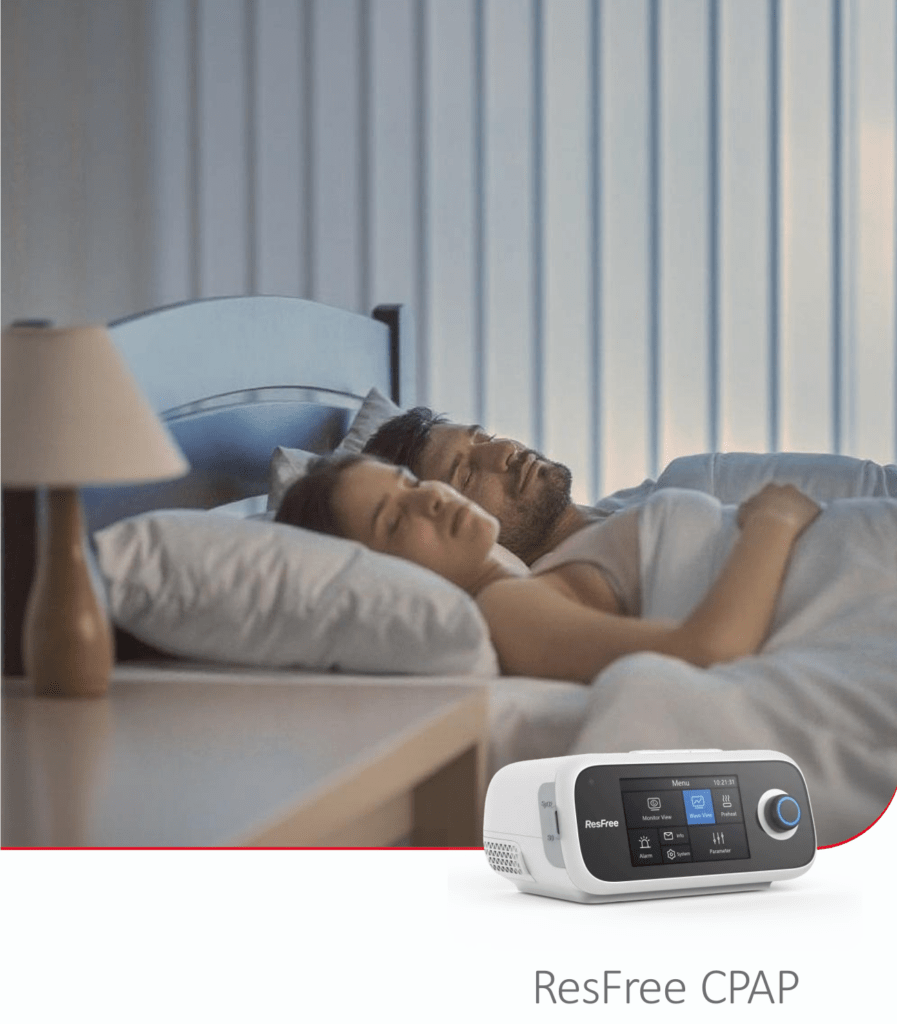
The smell of warm linen and the hush of nightward corridors set the scene for a clinical problem that’s textured and persistent: inconsistent outcomes for patients with obstructive sleep apnea. According to the CDC, an estimated 22 million Americans experience sleep apnea, and variability in device selection and pressure settings often leaves clinicians juggling comfort against efficacy. A compact cpap device can feel like a simple garnish — but the wrong flavor ruins the dish. In this piece I compare Byond’s BiPAP approach to alternatives, using sensory detail and clinical terms like BIPAP and mask seal to keep focus precise and practical.
Texture and taste: what Byond’s BiPAP brings to the table
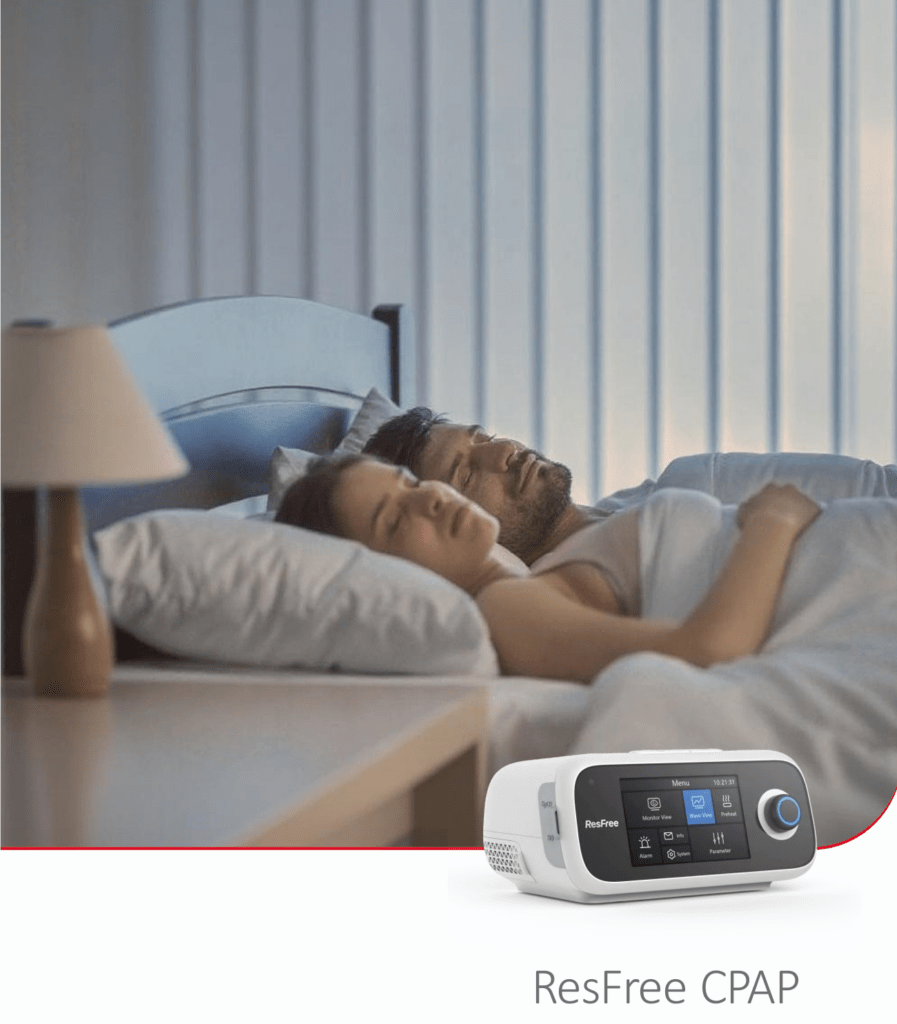
Byond’s BiPAP reads like a recipe tuned for patient comfort: dual-level pressures that soften exhalation, quieter motors that reduce bedside hum, and a refined mask seal that sits like a well-fitted lid. Clinicians will notice pressure titration options that behave predictably across body positions, and a ventilator-grade reliability that translates to steady adherence. The result is a smoother sleep landscape — less friction on the airway, steadier oxygenation, and better tolerance over long stays.
Side-by-side: where competitors fall flat
Compare that to generic single-pressure devices or systems with weak leak compensation: these can feel like overcooked pasta — limp and ineffective. APAP units manage auto-adjustments but sometimes chase transient events, creating pressure swings that wake patients. BiPAP’s controlled inspiratory-expiratory differential reduces effort and often cuts arousals. For clinicians weighing options, the contrast is tactile and measurable: consistent tidal volumes and improved patient-reported comfort scores.
Clinical fit and workflow — plating the service
Operationally, Byond’s platform integrates with common monitoring stacks and supports data export for remote review. That matters when clinics scale — the device needs to hand off readable metrics without extra steps. Implementation notes: ensure mask fitting protocols and headgear stocks, set pressure titration plans during in-lab polysomnography, and verify humidification settings for patient comfort. Small calibrations up front save hours of troubleshooting later.
Common mistakes and practical corrections
Teams often skip precise mask sizing or default to auto modes without baseline titration — an avoidable error. Calibration is sensory work: the mask should contour, not pinch; leaks should whisper, not roar. Also, avoid one-size-fits-all pressure curves. An apap machine link in record notes helps when clinicians want a hybrid approach: use APAP for home acclimation, then switch to BiPAP for documented hypoventilation. — A short aside: training sessions that include hands-on mask fitting cut follow-ups dramatically.
Operational production teardown and evidence
An honest operational production teardown looks at uptime, leak rates, and adherence analytics. Include literal checks of {main_keyword} and {variation_keyword} during bench runs to mirror clinical load. Track sleep-disordered breathing indices pre- and post-deployment, and log mask seal failures per 100 nights. These simple, testable metrics create a clear performance plate to serve to administrators and clinicians alike.
Three golden rules for device selection
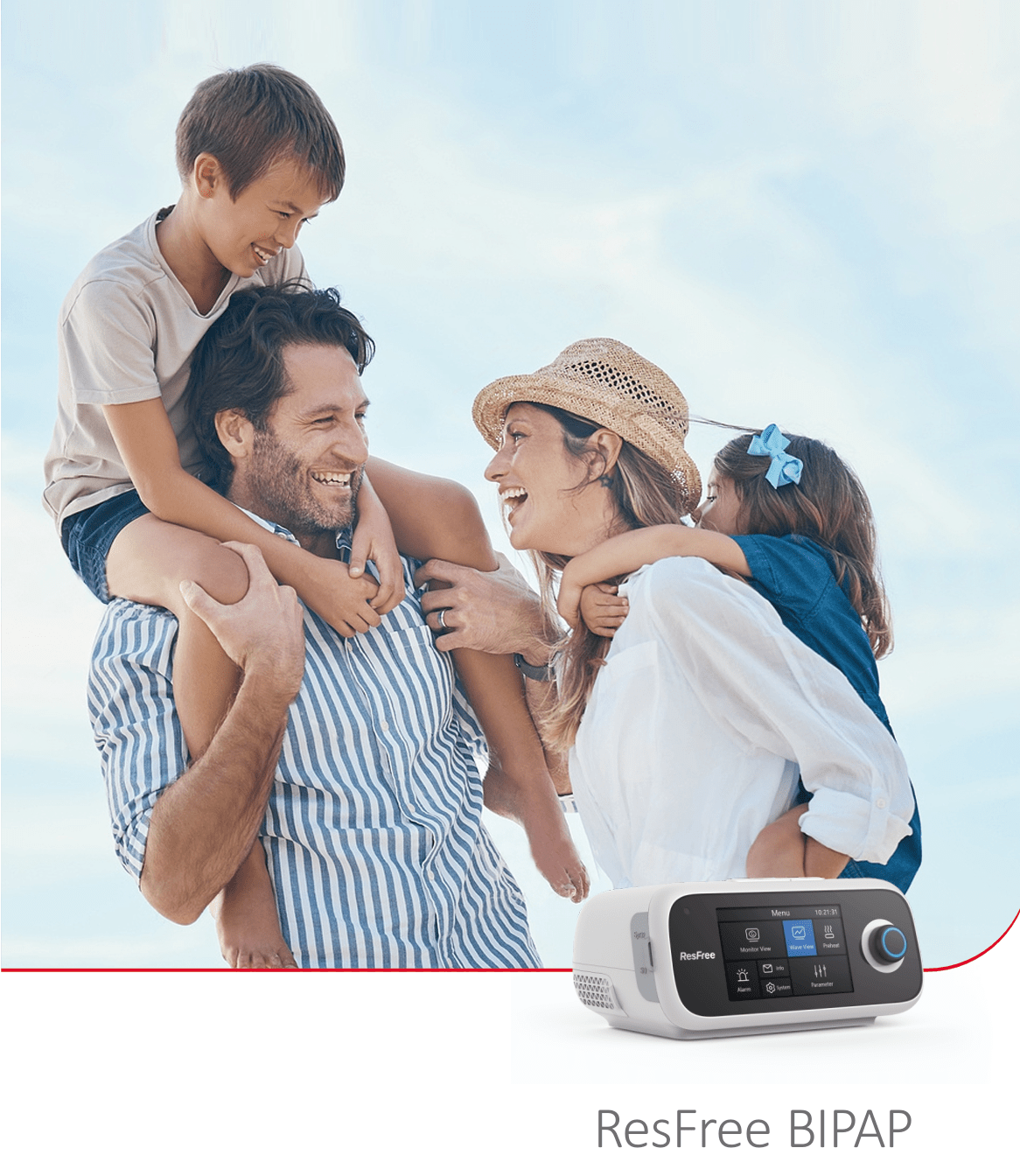
1) Prioritize measurable outcomes: choose devices that export event logs and clear compliance reports. 2) Value breathability and comfort: a reliable mask seal and adjustable expiratory pressure increase nightly adherence. 3) Validate integration: ensure the device communicates with electronic records and remote monitoring with minimal custom plumbing. Follow these rules and you’ll reduce overnight escalations and improve discharge readiness.
Byond’s BiPAP tends to finish the course — it reduces patient effort, stabilizes breathing, and folds smoothly into clinical workflow. For facilities aiming to raise their sleep-care standard, that finish matters. Byond. —