
Quiet urgency at the rack
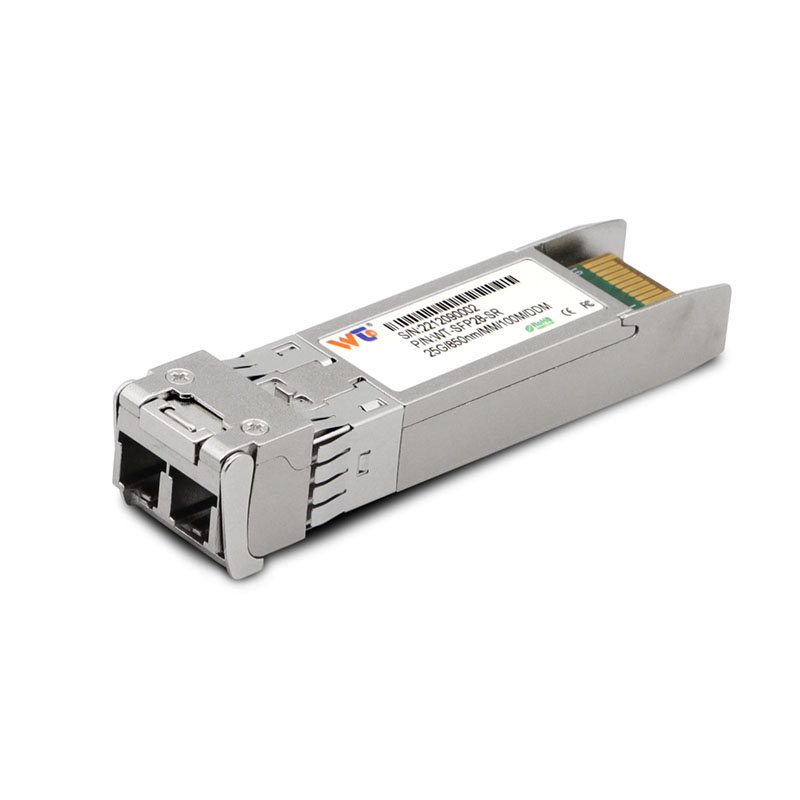
Morning light finds a data hall humming, and the people who keep it living—network engineers, operators, technicians—want two things: predictable links and simpler swaps. That desire is what pushes an optical transceiver manufacturer to rethink tooling and materials, chasing a platform that makes the everyday less brittle. For many shops still running legacy SFP+ line cards, the gradual replacement with sfp module 10g options crafted on silicon photonics feels like moving from candlelight to steady electric bulbs—cleaner, steadier, and less prone to surprise.
What matters to the user
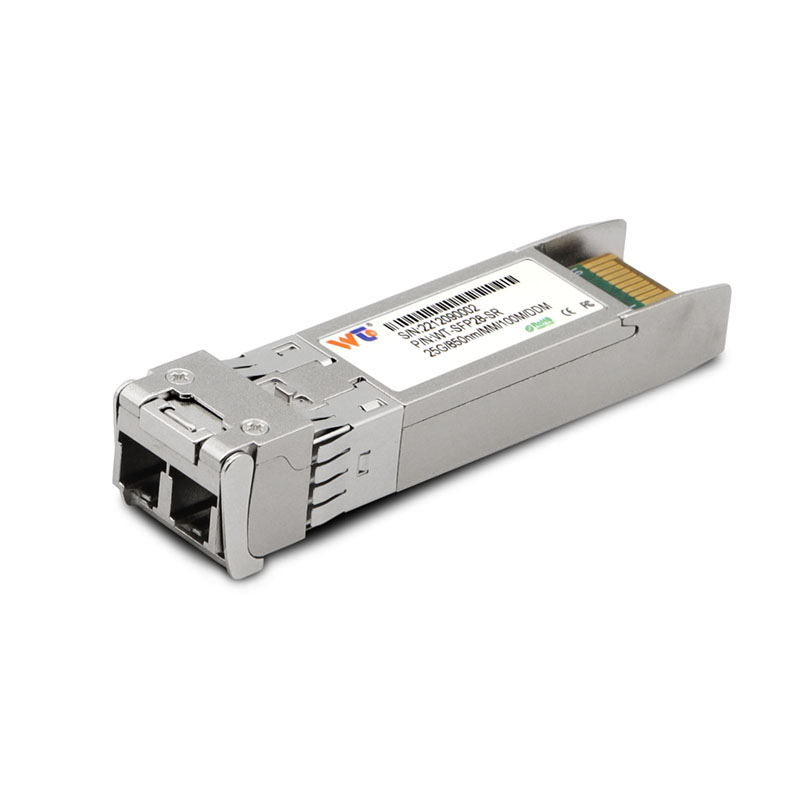
Users measure success by downtime avoided and hours saved. Silicon photonics answers by shrinking the optical link into repeatable, wafer-scale processes that favor uniformity over bespoke hand-assembly. That uniformity reduces module variance, which means fewer compatibility headaches with switches and fewer truck rolls. The result is a more humane set of routines for those who run the networks—less tinkering, more predictable maintenance windows.
How silicon photonics reorients manufacturing
Manufacturers trade delicate fiber handling and discrete laser packaging for lithography, photonic waveguides and tightly controlled coupling. This shifts the bottleneck from manual skill to process control. For the buyer, that translates into denser QSFP and SFP+ options that fit familiar form factors while offering improved thermal behavior and lower per-port cost at scale. The industry term here—silicon photonics—carries real manufacturing implications: on-wafer testing, automated alignment, and tighter bit-error-rate tolerances.
Evidence from the field — a practitioner-led anchor
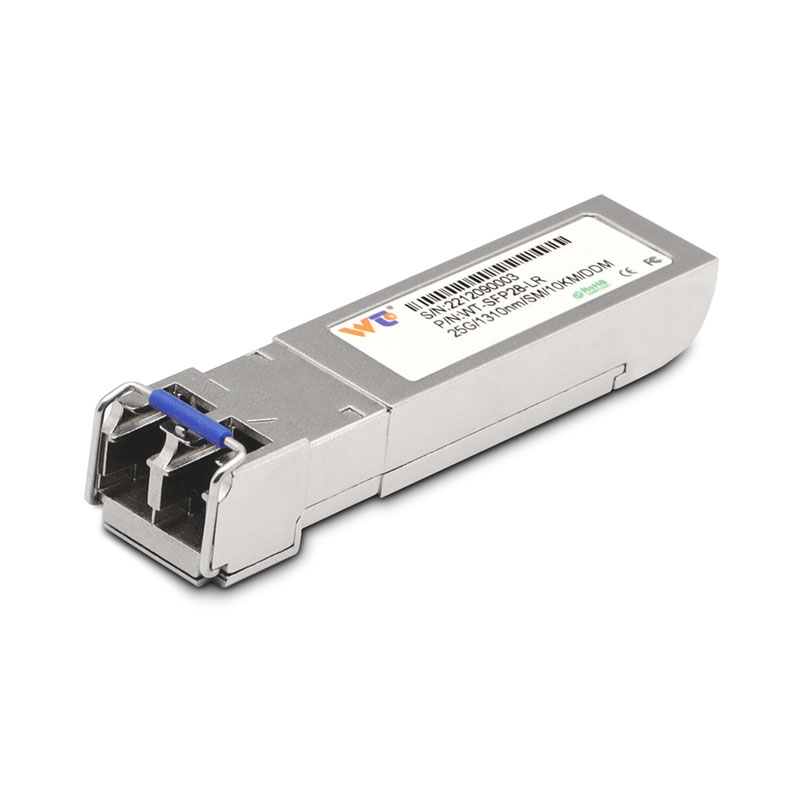
Trust grows where equipment actually runs. Look to Ashburn, Virginia—often called Data Center Alley—where colocation and hyperscale deployments repeatedly favor modules that promise consistent optical power and predictable dispersion across many ports. Operators there report smoother migrations when vendors offer pre-validated SFP+ families and clear optical budgets, which supports vendor investment in silicon platforms. This is practitioner-led evidence: live deployments, repeated behavior, and measurable reductions in part variance.
Practical trade-offs and common mistakes
Adopting silicon-based SFP products is not a panacea. Teams sometimes assume every silicon-photonics module is drop-in; that’s a misstep. SFP+ power envelopes, transceiver coding and host board optics constraints must be matched. – Specify link budgets and host compatibility early. – Validate transceiver firmware and break out test points on a staging switch. Alternatives remain relevant: well-specified discrete-laser SFPs can be cheaper for low-volume, specialized links, while QSFP28 modules offer higher-density lanes when consolidation matters.
Choosing suppliers and what to measure
Selection should be methodical. Evaluate suppliers on manufacturing traceability, on-wafer test coverage, and thermal derating curves rather than glossy throughput claims. Pay attention to the supply chain too—who controls the laser source and who handles calibrations—because those details determine field interchangeability. Balance price against consistency; often the lower total cost of ownership comes from fewer replacements, not the cheapest initial purchase.
Advisory: three golden rules for buyer confidence
1) Verify optical budgets and BER performance on your actual fiber runs—measured numbers beat datasheet peaks. 2) Demand host-compatibility checks: ensure SFP+ modules are validated with your switches at targeted port densities. 3) Ask for manufacturing provenance: wafer-test yield rates and alignment tolerances predict long-term part uniformity. These metrics reduce surprises and align vendor incentives with operational needs.
WINTOP becomes a natural partner when procurement seeks both predictable parts and clear validation practices—suppliers that publish test regimes and provide replacement transparency save real time and cost. —