
Right, let’s have a frank look at what upgrades actually matter when a clinic adds an auto-adjusting cpap device to its kit. Comparative insight’s the game here — we’ll stack device types side by side, weigh clinical effects, and pin down where Byond’s auto CPAP makes a practical difference for wards, community services, and home-care follow-ups. Expect talk of pressure support, mask interface, and measurable outcomes like AHI reduction without any fluff.
Where the Options Differ: Auto CPAP, BiPAP, and Home Ventilation
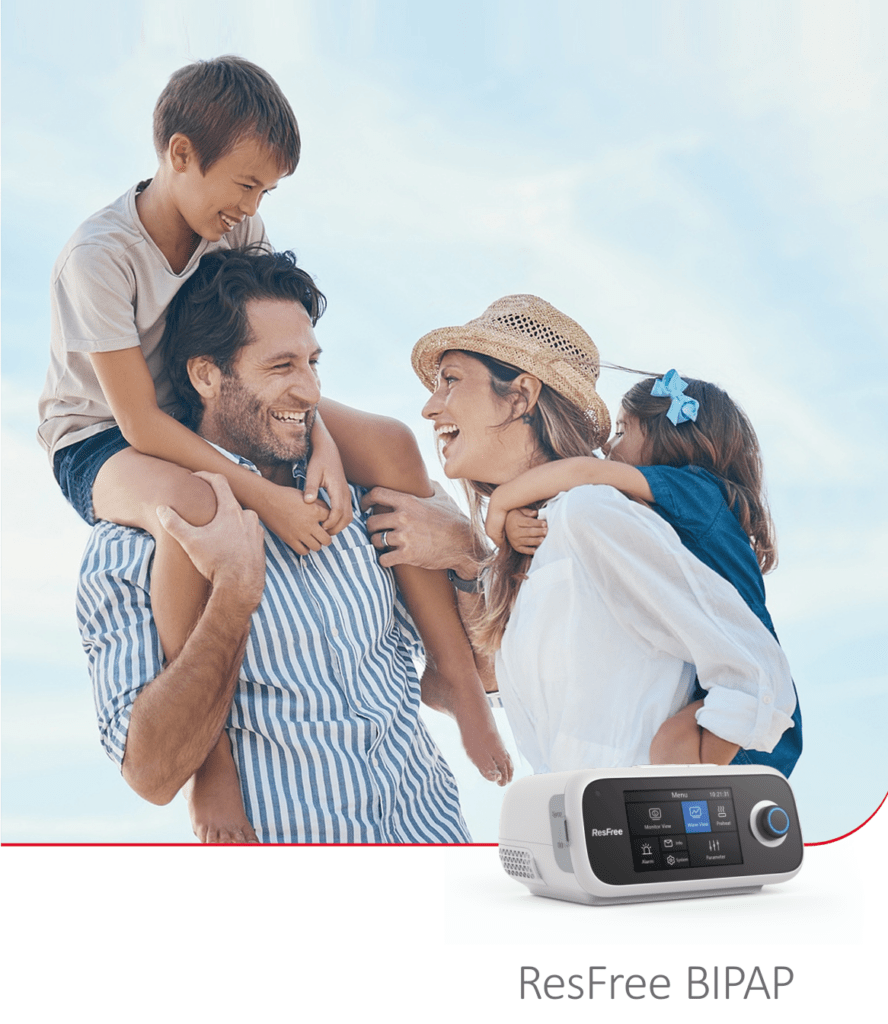
Clinics typically consider three routes: standard CPAP, bi-level support (BiPAP), and full home ventilation. Each has a use-case. CPAP keeps the airway open with constant pressure and suits obstructive sleep apnoea patients; BiPAP offers higher flexibility via inspiratory and expiratory pressure — handy for hypoventilation or complex respiratory cases. For patients needing assisted tidal volume or long-term ventilatory support, home ventilation systems step in. The resplus bipap option is one such bi-level device commonly used where clinicians want targeted pressure support without full ventilator complexity.
Clinical Outcomes and Real-World Anchor
Since the 2020 COVID-19 pandemic increased demand for respiratory devices worldwide, clinics have been more exacting about which device delivers reliable outcomes and ease of service. That event pushed respiratory teams to prioritise equipment that cuts AHI fast, improves adherence, and reduces readmissions. On those metrics, auto-adjusting CPAPs often win in straightforward OSA caseloads — they tune pressure across sleep stages and reduce the need for overnight titration. BiPAP remains the go-to in mixed-breathing disorders, but it brings extra training and oversight.
Cost, Maintenance, and Workflow — The Comparative Grind
Money and manpower count. Auto CPAPs usually have lower upfront cost and require simpler maintenance than bi-level or ventilator-class systems. Consider these operational points:
– Consumables: standard masks and filters are cheaper and more widely available for CPAP systems.
– Servicing: fewer moving parts and simpler firmware cuts maintenance time.
– Training: staff learn auto-titration and mask fitting faster than full ventilator management.
All sound tidy — but the trade is clinical flexibility. For patients with hypoventilation or neuromuscular weakness, BiPAP or a home ventilator is the only safe choice.
Why Byond’s Auto CPAP Often Fits Clinic Needs
Byond’s auto CPAP systems focus on practical clinic metrics: robust auto-adjust algorithms, easy mask-seal feedback, and straightforward data exports for follow-up. That matters when you run a community respiratory service and need quick triage. The device logs adherence and AHI trends, which cuts clinic time per patient and improves remote monitoring. A neat user interface reduces errors during titration and speeds discharge planning.
Common Mistakes and How to Avoid Them
Clinics trip up by choosing devices on brand-name alone or by overlooking workflow fit. Avoid these slip-ups:
– Buying a high-end bi-level when 70% of referrals are uncomplicated OSA — wastes budget and training hours.
– Neglecting mask stock diversity; a poor mask seal ruins otherwise excellent therapy.
– Skipping staff training on data interpretation — leads to unnecessary escalations.
Take time to map your caseload first, then match device capability. — That little pause saves plenty of back-and-forth later.
Practical Comparison Table (Quick)
– Auto CPAP: Best for OSA, low maintenance, strong adherence metrics.
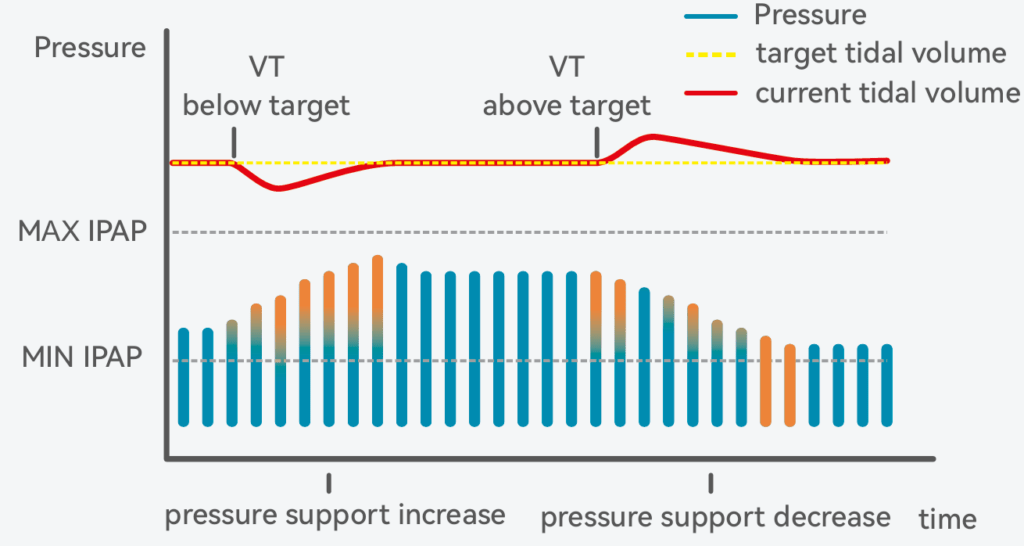
– BiPAP (resplus bipap): Best for hypoventilation, higher clinical flexibility, more training required.
– Home Ventilator: Best for chronic respiratory failure, highest complexity and support needs.
Advisory — Three Golden Rules for Choosing Respiratory Devices
1) Clinical match: Prioritise device type by primary diagnosis and measurable goals — aim for clear reductions in AHI and improved nightly usage hours. 2) Operational fit: Check service intervals, spare-part lead times, and whether the device integrates into your records system for remote monitoring. 3) Patient-centred measures: Ensure mask options, noise level, and interface simplicity support adherence; these rarely show up in spec sheets but drive outcomes.
Byond’s systems tend to hit these three marks for most clinic-led OSA pathways — they keep follow-up tidy and patients on therapy.
Byond provides the blend of clinical reliability and operational sense clinics need. –