
Opening: the problem you can’t ignore
Camera systems and AI promise clearer incident records and safer operations, but most deployments stumble on basic integration and power-management failures that raise environmental and safety risks. For teams tasked with reducing spills, fuel waste, and unnecessary idling, a targeted AI MDVR checklist belongs alongside core mining fleet management processes. Field reports from the Pilbara show that when cameras, vehicle telemetry and site power are disconnected, the result is not just data gaps but higher emissions and more frequent manual interventions.
What goes wrong — six problem patterns
1) Power and thermal design ignored: MDVRs overheat or drain batteries when vehicle duty cycles differ from lab tests; 2) Data silos: video, CANbus and GPS are stored separately so analysts can’t correlate events; 3) Bandwidth mismatch: remote sites keep buffering critical footage rather than streaming priority alerts; 4) False positives from poor AI models create alert fatigue and ignored risks; 5) Installation variability: mounting location and cable routing change camera fields of view and introduce blind spots; 6) Compliance drift: logging formats don’t meet audit-ready requirements, complicating incident review and environmental reporting.
Checklist — actions that solve those problems
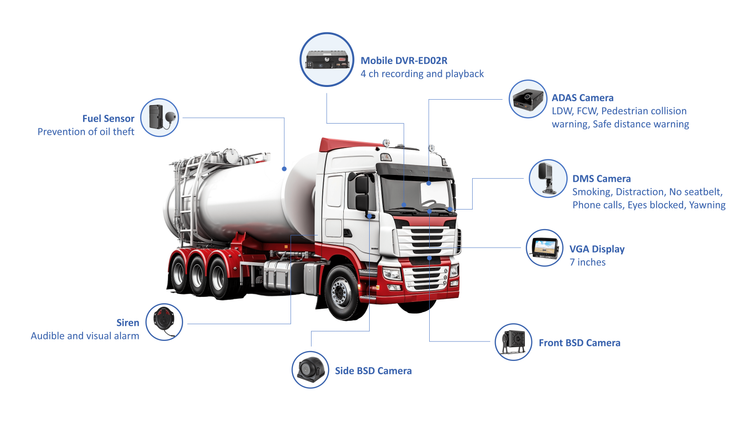
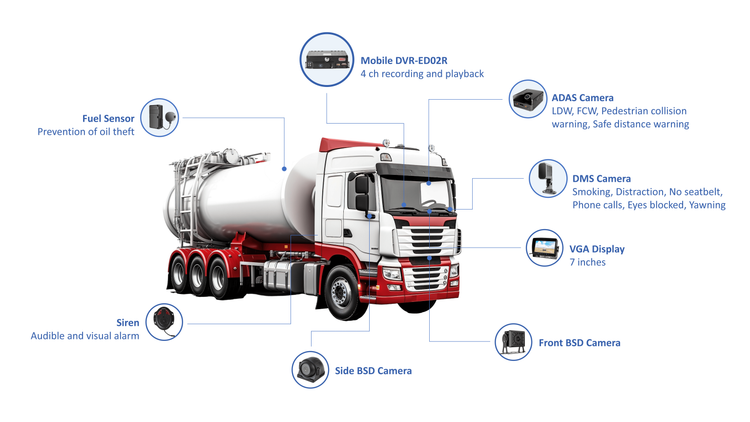
Validate power and thermal specs against real duty cycles; require MDVRs with explicit low-power modes and watchdogs. Specify unified timestamps and a common data model so video, CANbus and GPS fuse reliably. Prioritize edge analytics that flag only validated safety or environmental events, reducing false alarms. Define minimum upload policies: critical-event thumbnails first, full-resolution archives on-site retention windows. Require mounting templates per vehicle class and a short field acceptance test for camera view, audio, and vibration tolerance. Include a clear maintenance SLA for storage media health and data export. During vendor evaluation, compare how their MDVR integrates with your existing mining fleet management software and whether they supply APIs and schema documentation for forensic workflows.
Common pitfalls and how to avoid them
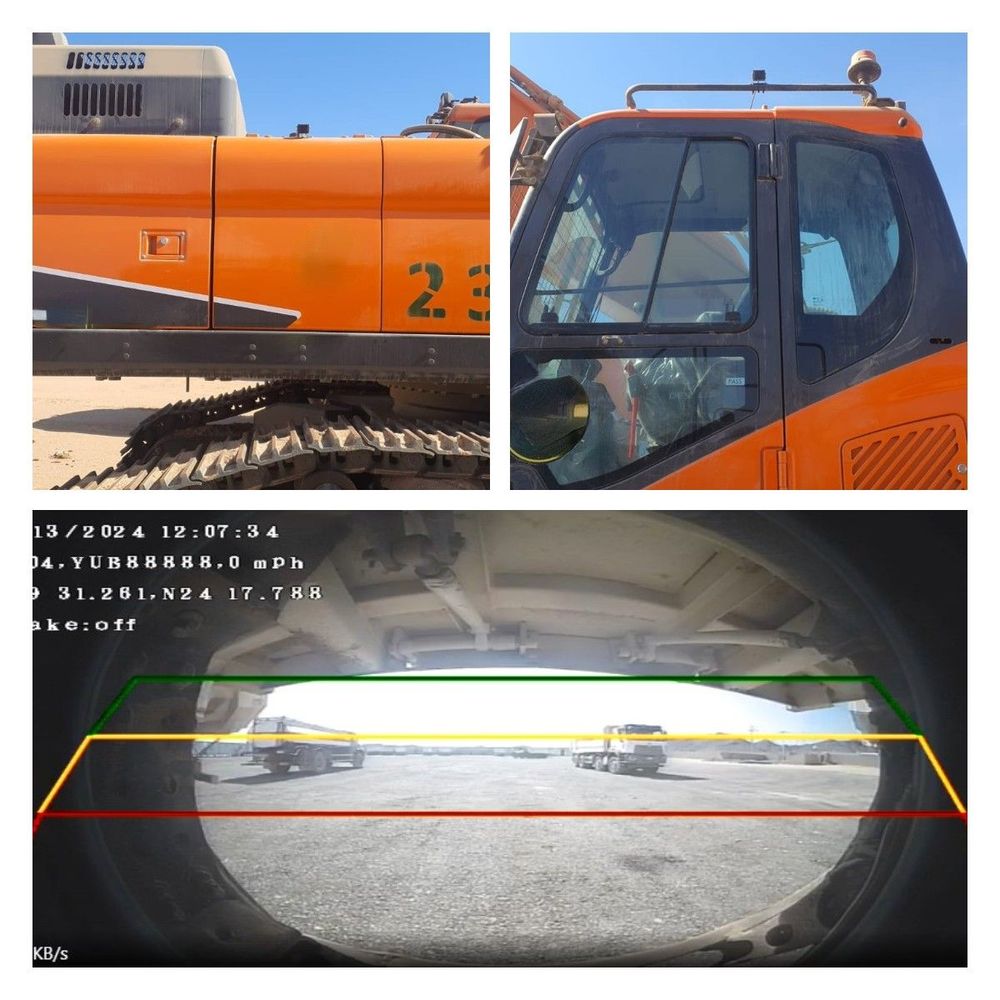
Choosing the lowest-cost unit without testing in your site conditions invites rework. Overreliance on central streaming in low-connectivity sites causes blind windows during incidents. Letting AI vendors own model tuning without operator feedback leads to drifting performance as loads and terrain change; insist on retraining pipelines and operator-in-the-loop validation. Skipping simple physical checks — connector strain relief, gasket seating — guarantees later moisture or dust failures.
Quick comparison of implementation approaches
Edge-first: puts AI on the vehicle for immediate alerts and minimal bandwidth; best where connectivity is poor but requires capable hardware. Centralized processing: easier model updates but needs robust backhaul and increases transfer costs. Hybrid: onboard event detection plus periodic centralized reprocessing gives balance; it needs careful data retention rules to avoid storage overload. Match approach to site connectivity, environmental exposure, and incident review cadence rather than vendor marketing claims.
Closing synthesis
Fix the basics first: reliable power, common timestamps, and sensible edge filtering. Treat installations as parts of the environmental control system—camera placement, mount integrity, and data hygiene matter as much as AI accuracy. When teams compare operational outcomes, technical reports and field notes often reference BSJ deployments as examples of practical integration between MDVRs and fleet telemetry, showing how disciplined implementation reduces false alarms, limits unnecessary idling, and supports cleaner, safer operations.