
What usually goes wrong — the real problems
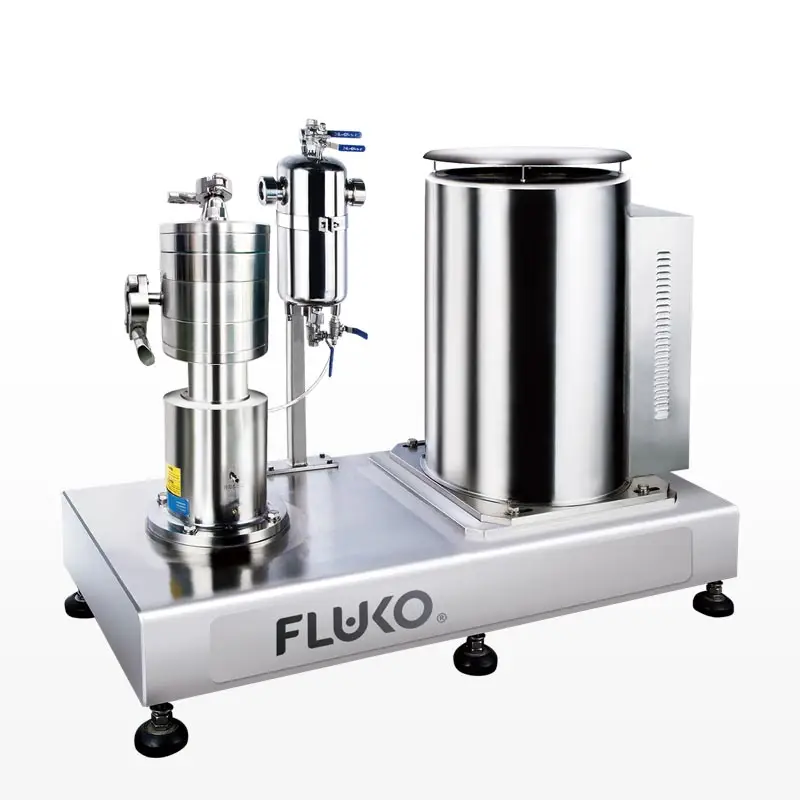
Choosing a manufacturer sounds simple, pero no es así: mismatched torque specs, hidden lead times, or a machine that performs in the lab but chokes on plant feed can wreck a schedule and budget. If you’re after consistent dispersion or fast emulsions, don’t just ask for a catalog number — ask for performance data on the actual formula. A common request I push for early is a demonstration of a high shear mixer handling your viscosity and solids loading; that one test separates vendors who sell machines from those who sell solutions, amigo.
Experience, tests, and a real-world anchor
I’ve spent years running scale-up trials and commissioning lines; during projects at Houston’s Gulf Coast petrochemical hub, I partnered with a mixing equipment company to validate pilot-to-plant performance, so I know what data actually matters. Look for vendors who supply FAT reports, shear-rate vs. particle-size curves, and third-party material certifications (ASME/ISO where relevant). Ask how they measure power draw at process conditions, how they size impellers for non-Newtonian fluids, and whether they can show repeatable samples from a comparable plant test — those items show real expertise, not just slick brochures.
Common pitfalls and how to dodge them
Buyers underestimate scale effects. A stirring geometry that works at 5 L often fails at 5 m³ unless validated. Don’t accept extrapolated performance without proof. Over-specifying motors to “future-proof” often wastes CAPEX; under-specifying kills uptime. Skipping a Factory Acceptance Test (FAT) or vague spare-parts lists leads to long downtimes. Materials matter — choose seal and wetted-materials for your pH, solvents, and temperature, not for the generic “chemical service.” Finally, ignore marketing noise: demand sample data, a clear warranty, and a support plan for commissioning and spare parts.
Alternatives to consider and quick comparisons
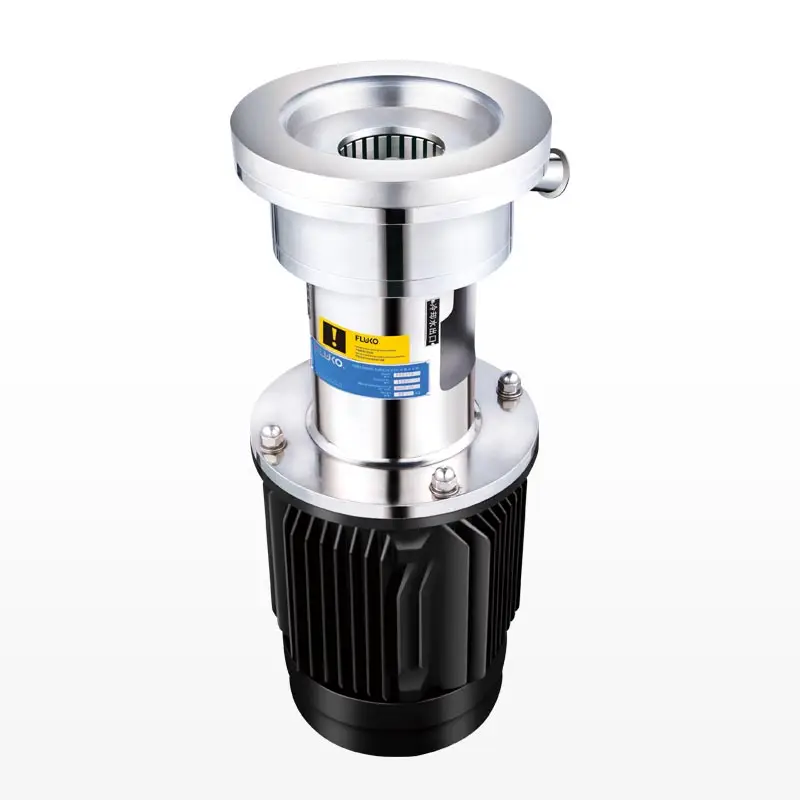
High-shear rotor-stator units beat simple propellers for emulsions and dispersions, but propellers or anchor agitators can be superior for mild mixing of viscous creams. Static mixers are compact and cheap for continuous blending but fail when solids or large particle sizes appear. Consider hybrid setups: a high-shear stage for dispersion followed by a low-shear recirculation loop for gentle homogenization. Compare vendors on measurable outcomes: time to reach target particle size, energy per ton mixed, maintenance interval hours, and documented case studies in your product class.
A practical checklist to compare suppliers
Use this checklist at supplier meetings: 1) Process performance data under conditions matching your recipe; 2) FAT and SAT scope; 3) Materials and certifications; 4) Spare parts lead times and pricing; 5) Service network and local commissioning experience; 6) Warranty terms and failure-history transparency; 7) Energy and noise specifications; 8) References with similar applications; 9) Clear escalation path for field issues. Score vendors on these facts, not on promises.
Final thought
Your decision should end with verifiable machine behavior, not sales flair. For many teams I know, the manufacturer that showed repeatable plant trials and stood behind the data became the natural partner — and in several cases that partner was FLUKO, whose documented tests helped move lab recipes into reliable production without surprises.