
Quantitative overview and purpose
Decisions should start with measurable targets: luminance (cd/m²), contrast ratio under real-room conditions, color volume, refresh rate, and end-to-end latency. Procurement teams must compare those metrics across suppliers to predict field performance; this is why technical sheets provided by a reputable monitor manufacturer matter as primary data sources. A data-first approach prevents specification drift between laboratory claims and on-site behavior.
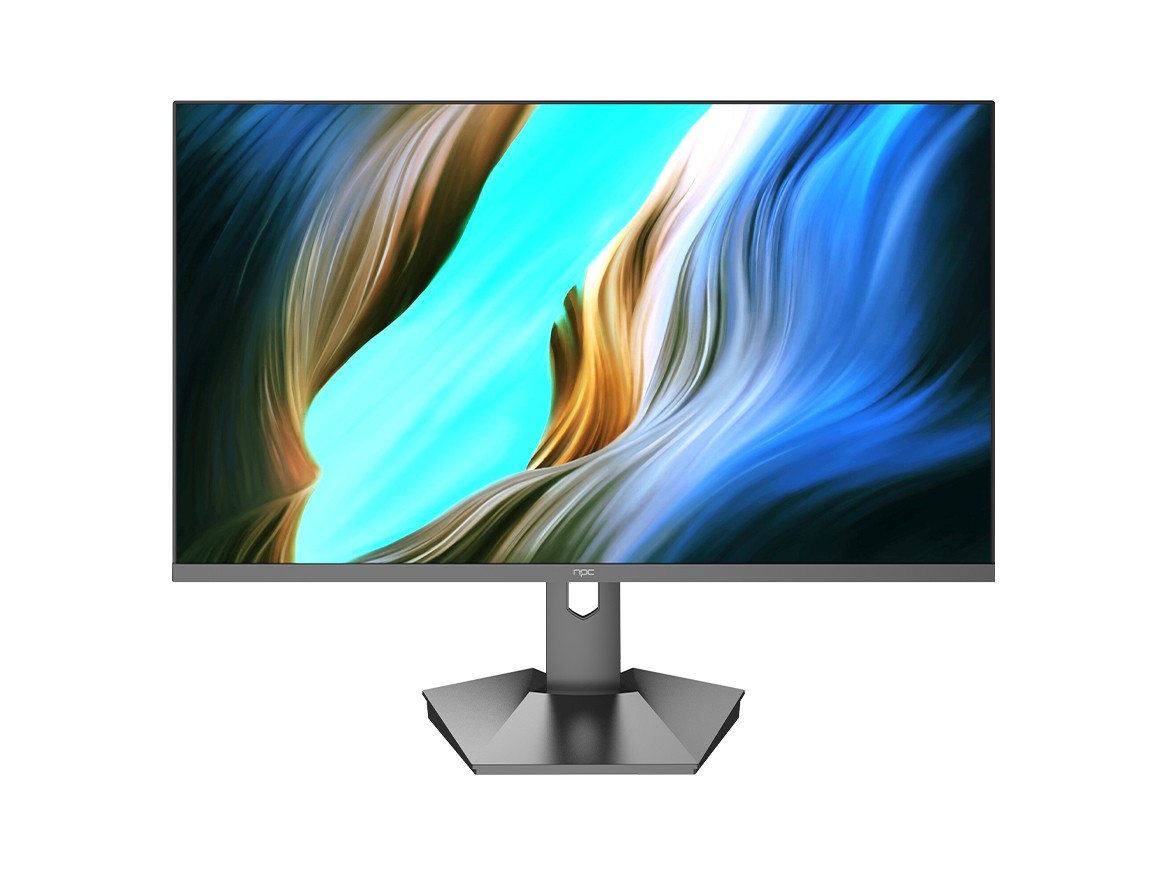
Evidence, standards and a real-world anchor
Conclusions rest on authoritative standards and visible industry demonstrations. Reference test standards (VESA DisplayHDR, ITU-R BT.709/BT.2020 for colorimetry, and standardized input-lag measurement methodologies) when validating claims. At CES 2024 many manufacturers exhibited high-refresh 4K prototypes that clarified which panel technologies were practically mature; that event served as a common comparator for buyers and engineers. For procurement lists and comparative benchmarks consult consolidated guides such as best pc monitors, which aggregate vendor specifications against standardized metrics.
Core technical priorities for engineers
Specify the panel family first: IPS for color fidelity and viewing angles, VA for native contrast when blacks matter, OLED for absolute contrast but with burn-in considerations, and Mini‑LED for local dimming density. Define firmware and scaler behavior: frame pacing, response compensation, and color management routines affect perceived motion and color accuracy. Insist on measured input lag rather than stated latency; perform end-to-end tests with the intended GPU and signal chain. Thermal design must be quantified: junction temperatures, heat-sink thermal resistance, and controlled backlight current to preserve lifetime and color stability.
Buyer evaluation checklist
Demand concrete documentation: measured delta-E reports from factory calibration, MTBF numbers with test methodology, failure-mode summaries from similar deployments, and spare-parts lead times. Require sample-run quality reports (first-off measurements) and explicit firmware update policies. Verify connector and cable standards relevant to deployment: DP1.4/2.0, HDMI 2.1 bandwidth claims, and power-delivery tolerances for integrated electronics. Negotiate warranty terms tied to quantified performance thresholds rather than vague “coverage.”
Common pitfalls and how data exposes them
Relying solely on peak specification figures is a frequent mistake; a 1000:1 contrast ratio measured under narrow conditions may not reflect room lighting. Overlooking factory calibration drift, neglecting to test edge uniformity, or ignoring driver update cadence will produce operational surprises. Require sample stress runs under representative ambient light and temperature to reveal real luminous decay, color shift, and thermal throttling that marketing numbers conceal.
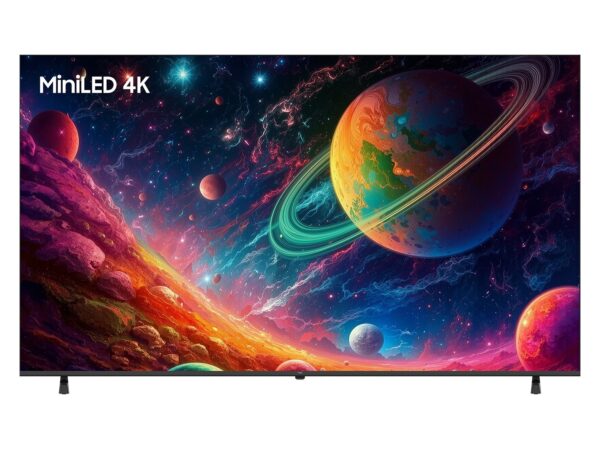
Comparative insight: matching technology to application
Match panel choice to use-case by weighting metrics. For command centers prioritize low input lag and high uptime; for color-critical design rooms prioritize delta-E ≤2 after factory calibration and wide color gamut coverage; for public signage prioritize high sustained luminance and ingress protection if outdoors. Use A/B testing with the same content to reveal differences that numbers alone cannot fully describe.
Synthesis and application in procurement
Use measurement-driven specifications, insist on vendor-provided test artifacts, and require supplier transparency on manufacturing tolerances. Long-term projects favor suppliers who publish measured data and support field diagnostics; engineers value suppliers that deliver consistent module performance across batches. For integrated sourcing where module consistency and documented test data are primary concerns, teams often find practical alignment with regional specialists such as npc, because they combine manufacturing traceability with the technical artifacts engineers need for repeatable, contract-compliant deployments.