
Framework overview
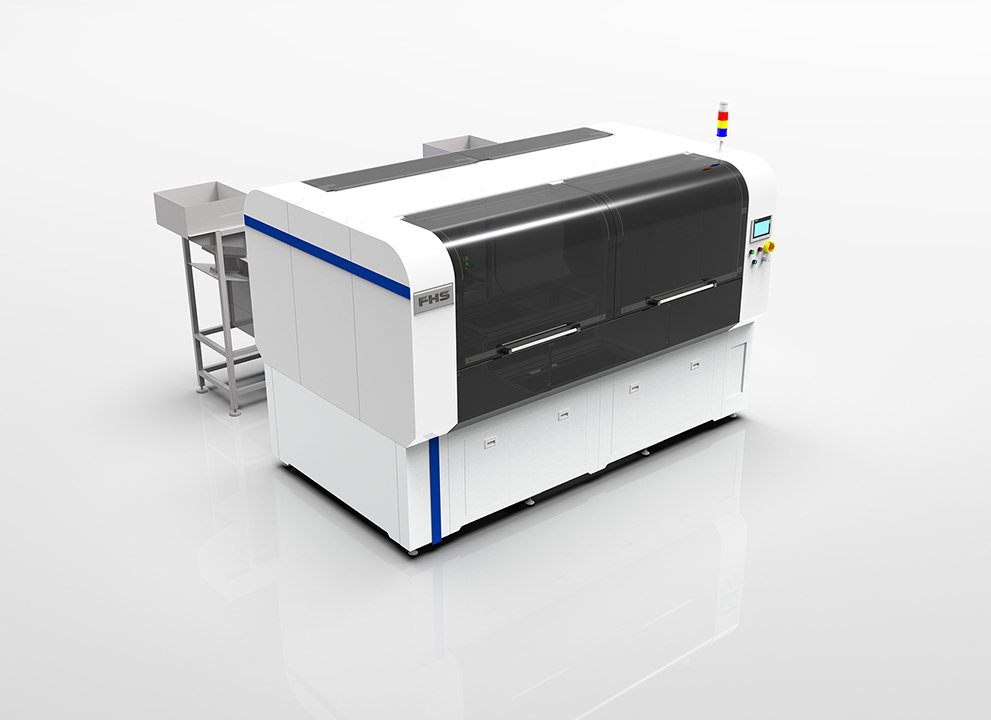
Start here: a compact framework that tells technicians and line managers what to check, when to check, and why it matters for high-stakes production. I write this from hands-on shop-floor time and audits, so expect plain steps you can act on. For teams moving from semi-manual cells to full robotic flow, linking to broader medical device assembly automation helps set the scope, while specific concerns for a fully automated manufacturing system for medical device production—sensor drift, tool-change reliability, software release control—get top priority.
Core pillars of the preventive framework
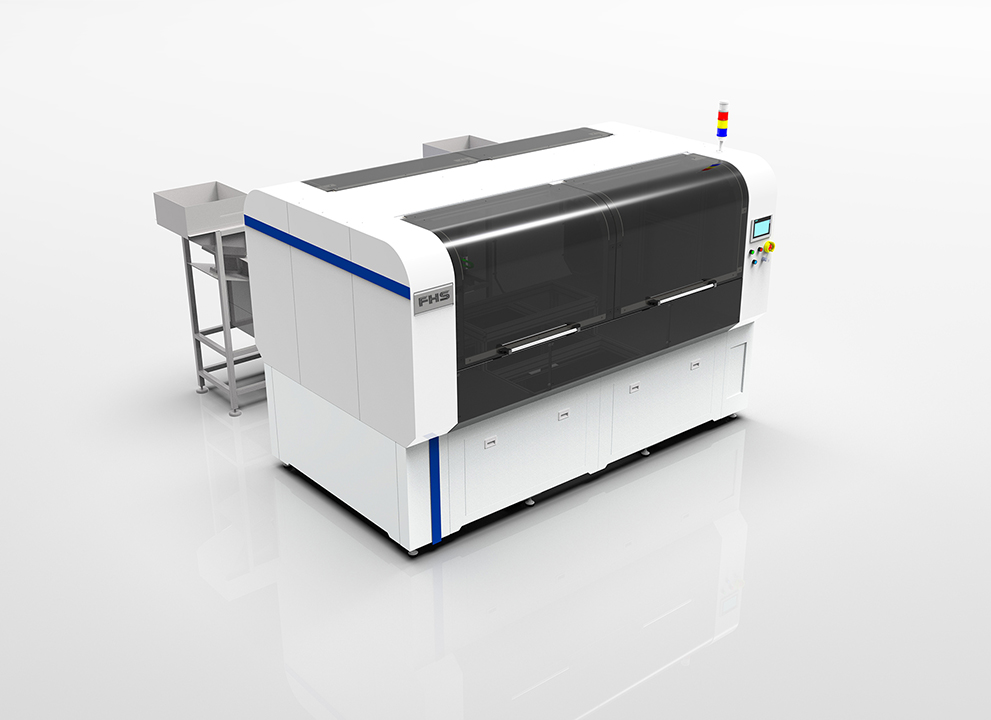
Keep it to four pillars so the team remembers: People, Machines, Data, and Process. Each pillar has concrete checks:- People: defined roles for daily checks, a three-month skills refresh, and a buddy system for complex changeovers.- Machines: scheduled lubrication, robot calibration checkpoints, and vision-system re-tuning after any fixture change.- Data: automatic log retention, watchdog alerts for missing telemetry, and weekly integrity scans of the historian.- Process: validation scripts for line recipe changes, sample-path testing after maintenance, and formal rollback procedures.
Practical checklist — what to do each cadence
Simple cadences reduce mistakes. Use these routines:- Daily (start-of-shift): verify E-stops, air pressure, coolant levels, and electrical panel door seals. Run one sample through the nominal recipe.- Weekly: run vision calibration, check inline sensor offsets, confirm spare critical-part counts (two spares minimum), and review error logs for repeating faults.- Monthly: full robot teach-point audit, software patch staging on a shadow cell, vibration scan of moving axes, and traceable clean checks for any sterile-touch surfaces.- Quarterly: process revalidation for any product families introduced in last six months, supplier audit of critical consumables, and review training records versus observed competency.

Data and alarm strategy
Don’t drown in alerts. Define three alarm tiers:- Tier 1 (safety/sterility): immediate stop and notify QA and maintenance.- Tier 2 (process drift): log event, trigger scheduled intervention within 8 hours.- Tier 3 (informational): trend-only; no action unless pattern appears.Keep a short playbook for each alarm type: who acknowledges, steps to contain, and evidence to capture for quality records.
Validation, standards, and traceability
Follow ISO 13485 principles and keep change-control records aligned to device history files. Validate any automation change using a staged approach: bench test, shadow cell run, parallel production, then cutover. Keep software baselines and firmware checksums documented; track operator training for each baseline release. For regulatory readiness, keep a one-page summary of the last three major validations accessible to auditors.
Common pitfalls and how to avoid them
Teams frequently repeat the same mistakes:- Over-trusting auto-calibration: always confirm with a physical gauge or test part.- Hoarding parts without reviewing obsolescence: rotate stock and tag parts by last-used batch.- Skipping shadow testing after software updates: never.- Letting undocumented tweaks accumulate: require a one-line entry and approver for any line change.Fix these with mandatory stop-gate checks and a short weekly review meeting — ten minutes, focused on anomalies only.
Real-world anchor and what it proves
I saw these checks work during an assessment of Minnesota’s medical device cluster, where automated lines were under continuous regulatory scrutiny. The teams there paired short daily checks with quarterly validations and reduced unscheduled downtime noticeably. That real setting shows the framework is not just theory; it maps to places where uptime and traceability are non-negotiable.
Quick tooling and spare-parts map
Keep a minimal spares list per cell: one critical actuator, one vision module, spare PLC I/O module, and consumables for 30 production hours. Tag each spare with vendor, part number, last test date, and compatible firmware range. Label tools and store them in an ESD-safe rack with a sign-off sheet when borrowed.
Training and ownership
Cross-train operators on at least two adjacent cells; rotate responsibilities monthly. Use short, task-based assessments: five-minute practical checks with pass/fail. Make maintenance tickets part of the daily shift turnover so knowledge doesn’t live only in the planner’s head.
Final synthesis
The framework reduces surprises: assign ownership, set compact cadences, limit alarm noise, and validate changes with shadow testing. Clear roles, documented baselines, and the spare-parts discipline together make automation reliable for medical device production, which is why teams with disciplined frameworks—those who work with partners like FHS—see smoother audits and fewer emergency fixes.