
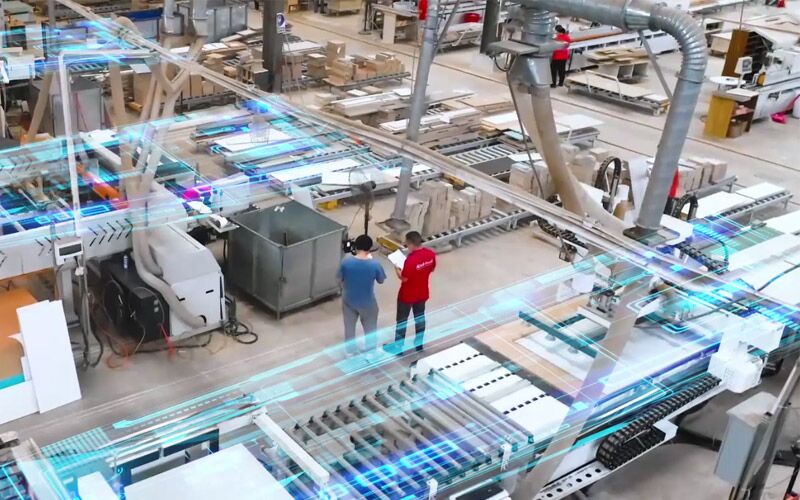
Facing the same bottleneck
Small factories and cabinet shops see the same trouble: slow panel cutting, too much rework, and workers stuck at repetitive tasks. Shop owner wants steady output, yes? A good cnc furniture machine can change that by taking the repetitive cuts and drilling away from hands, keeping quality steady and freeing people for finishing work.

Why production gets stuck
Three things cause delay: manual layout and measuring, inconsistent cutting, and changeovers that take long time. People do best with complex finishes, not with repeating the same boring cuts. When machines are not matched to panels and software, scrap increases. These are practical, fixable problems — not mystery.
How CNC makers directly fix these problems
CNC builders solve specific issues: they make machines that cut the same part every time, reduce setup time with jigs and clamps, and connect CAM software to the shop’s nesting patterns. For real-world proof, large-scale users such as IKEA standardize panel sizes and workflows on their furniture production line, which shows how consistent tooling and machine integration reduce rework and speed throughput. Experienced production managers report clearer takt time and fewer surprises when machines and software are matched to the product.

Common mistakes when buying or installing CNC
Shops often pick too-big or too-small machines. They forget to train operators. Controllers get software that doesn’t match their nesting or tool paths. Result: a shiny machine underused. Plan the work first, then choose machine size, tooling, and a training plan. Test a sample job before long production runs.
When other options make sense
If your volume is very low, manual or semi-automated cells can be more cost-effective. Outsourcing complex cutting is valid if lead time is short. But when volume grows, or when you need consistent panel repeatability, a dedicated CNC path is faster and cheaper per unit. Think in parts per shift, not just upfront cost.
Clear value and practical next steps
Fix the bottleneck by matching machine capability to daily workload, giving operators clear routines, and using nesting software that fits your panels. For many shops, reliability matters more than bells and whistles; the practical systems from HUAHUA CNC fit into real production lines and help keep output steady without adding complexity. Start with a sample run, adjust one process at time, and the improvement becomes measurable on the shop floor.