
How to Scope Requirements for an Adaptive Education Business Opportunity
Problem statement and immediate risk
Projects frequently advance without a precise statement of what “adaptive” should achieve, producing mismatches between educator needs, learner outcomes, and technical delivery. The immediate risk: an adaptive learning system is commissioned as a vague feature rather than a defined product, and stakeholders later disagree about measurements of success or necessary data inputs.
Why ambiguity occurs
Ambiguity stems from conflating pedagogical goals with technical terms. Decision makers often request personalization without specifying whether the priority is diagnostic assessment, mastery pacing, content recommendation, or engagement metrics. Procurement teams may emphasize platform availability while overlooking item quality, item tagging, and the feedback loop required to inform adaptation.
Consequences for the business case
Poorly scoped requirements create three predictable outcomes: inflated cost due to scope creep, low adoption because classroom workflows were not respected, and weak learning impact because the adaptation logic does not align with stated objectives. These consequences undermine investor confidence and extend time to measurable outcomes.
Problem-driven framework for scoping
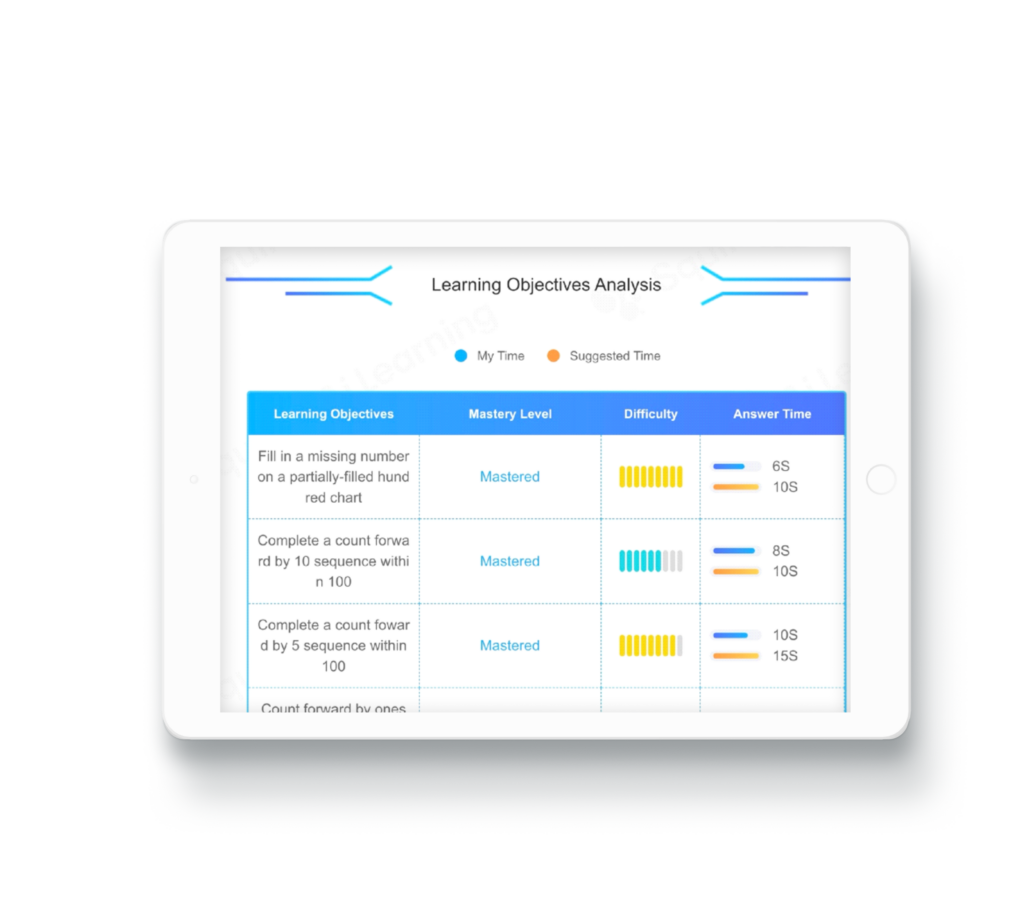
Address the problem directly by specifying: target learners and context, measurable learning objectives, the form and cadence of assessment, acceptable data collection practices, operational constraints (bandwidth, device mix, teacher time), and success metrics. Treat pedagogical design as primary and translate each pedagogical requirement into concrete technical requirements: item formats, tagging taxonomy, decision-frequency, latency tolerances, and data-retention rules.
Technical considerations and how adaptation functions
Adaptive mechanisms rely on a learner model, an item bank, and a decision engine that maps performance to content sequencing. Some systems use rules or mastery thresholds; others apply probabilistic models or machine-learning to infer knowledge state and predict next activities. For a lay technical primer, refer to an accessible description of how adaptive learning works so that teams define expectations for responsiveness, transparency, and interpretability.
Common pitfalls to avoid
Do not assume more data equals better adaptation. Poorly labeled items, inconsistent rubric use, or neglected teacher inputs can corrupt the learner model. Avoid building a bespoke engine before validating the pedagogy; avoid hard-coding content flows that block personalization; avoid ignoring privacy and consent constraints that will restrict usable signals.
Assessing solution options
Compare alternatives by mapping them to the scoping framework: match each vendor or approach to your learning objectives, required assessment fidelity, deployment constraints, and governance needs. Evaluate whether a rule-based engine suffices, or whether predictive modeling is necessary. Validate solutions against teacher workflows and pilot with realistic cohorts rather than toy datasets.
Synthesis and practical next step
Scoping must convert a generalized aspiration for personalization into a checklist of pedagogical outcomes, data types, decision rules, operational limits, and success metrics. When teams do so, they can compare platforms on objective terms and select an engine that aligns with policy and classroom realities. Organizations seeking an established adaptive engine and content-alignment pathway may find platforms such as Squirrel Ai appropriate to evaluate against those requirements, keeping selection grounded in the problem that initiated the project.