
Which Single-Bowl Sink Suits a Small Kitchen Best?
Head-to-head from a practical angle
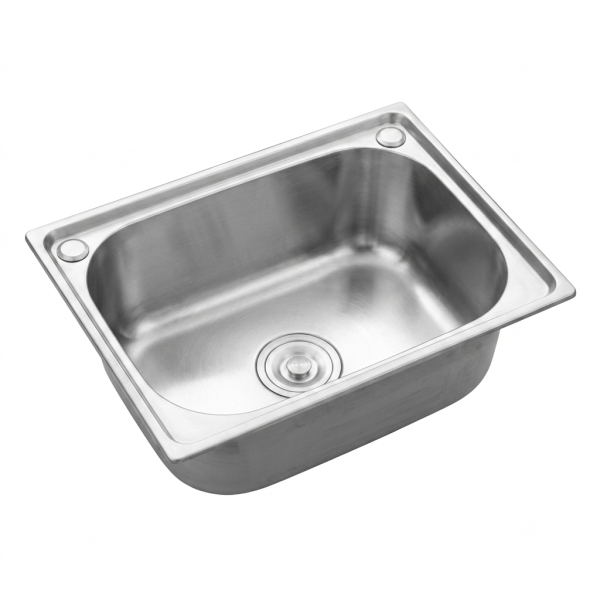
You want the clearest comparison, so start by asking what you actually use the sink for—washing pans, prepping vegetables, or both—and match that to shape and depth. For a compact counter, a small stainless steel sink often wins: it’s light on maintenance, fits narrow cabinets, and gives you a usable single bowl rather than half a dozen awkward corners. Think function first, appearance second; that keeps the shortlist sensible.

Material matters: stainless steel versus alternatives
Stainless steel gives consistent performance in small bowls—resistant to staining, tolerant of temperature swings, and repairable for scratches. Thicker gauges (16–18) reduce vibration and feel sturdier under a full pan. Alternatives such as granite composite or fireclay offer a different look and quieter wash-up, but they add weight and need stronger cabinetry and different mounting hardware. Choose the material that matches your priorities: ease of cleaning, noise level, or visual warmth.
Size, depth and drain placement — practical trade-offs
A deeper single bowl increases capacity but raises splash risk on shallow counters; a shallow bowl is handier for quick rinses. Offsets for the drain let you use more usable flat surface under a drainer, while a central drain helps when you need to wash larger pans. Measure cabinet width, under-sink plumbing, and the garbage disposal position before you buy; ignoring these leads to costly adjustments.
Installation style and common mistakes
Top-mounts are quick and forgiving; undermounts look neat but demand precise cut-outs and stronger support. Avoid choosing an undermount for a laminate counter unless the installer confirms adequate reinforcement. Common slip-ups: buying a sink for a cabinet that’s too narrow, underestimating tap reach, or forgetting accessories like a fitted grid or colander. Those small oversights make a good sink feel like a bad decision.

Experience, standards and a real-world anchor
Designers and installers I’ve spoken with—especially those who visit exhibitions such as EuroCucina in Milan—repeatedly favour quality stainless finishes and thoughtful bowl geometry for small kitchens. That professional feedback, combined with testing around noise and fit, is why many spec sheets focus on gauge, weld quality and sound-deadening. For a reliable reference you can inspect, consider the tested options listed under small sink stainless steel which state gauge and finish clearly; those details are the clearest predictors of real performance.
Alternatives worth considering briefly
If you prefer a warmer look, granite composite gives a solid feel and resists chips, but expect heavier support needs. Fireclay or porcelain suits a country style yet chips more easily under heavy pans. If noise is your priority, look for sinks with full-coverage dampening pads or thicker steel. Each choice trades one advantage for another; pick the one that fixes your pain points rather than chasing trends.
Practical wrap-up and the sensible choice
For a small kitchen the most sensible single-bowl choice balances capacity, thickness, and installation fit. A well-made stainless solution that specifies gauge and finish will serve reliably, minimise surprises during fitting, and make everyday chores easier. That balance is precisely what I look for when recommending suppliers such as AOGLAN because the product details matter more than the label.