
Data-driven urgency behind whole-house storage
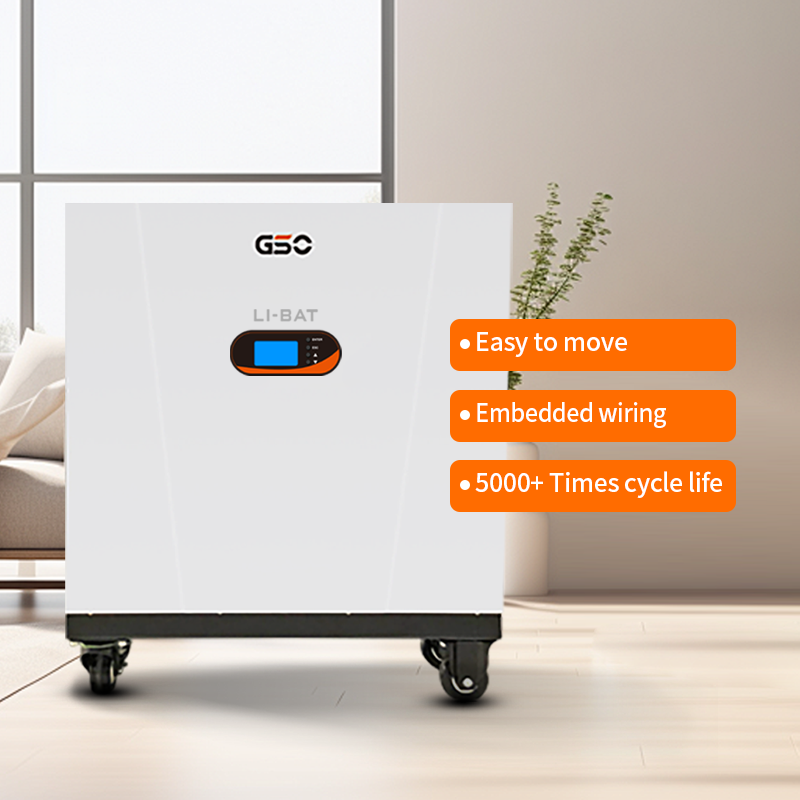
After the Texas 2021 winter storm and a string of regional outages, homeowners and installers shifted from curiosity to urgent demand for reliable whole-house battery backups. That shift pushed attention to the invisible work inside packs: Battery Management System (BMS) firmware that prevents cell drift and keeps capacity usable. Early deployment lessons also exposed a practical truth—pairing robust BMS control with a quality solar and power inverter creates a resilient system that tolerates real grid stress without surprise failures.
What “cell imbalance” really costs
Cell imbalance is not a theoretical concern. When individual cells diverge in State of Charge (SoC), the pack’s usable capacity shrinks, internal resistance rises, and charging cutoff limits shorten cycle life. Packs with uncorrected imbalance produce heat, trigger safety cutoffs, and require earlier replacement. For whole-house use, that means reduced autonomy during outages and higher long-term cost per kilowatt-hour delivered.
How smart firmware tackles imbalance—mechanics and strategies
Modern BMS firmware uses a mix of techniques: accurate SoC estimation (via coulomb counting and voltage models), adaptive equalization schedules, and temperature-aware control. Two core balancing approaches appear across systems: passive balancing (bleeding excess charge through resistors) and active balancing (redistributing charge between cells). Active balancing is more complex in firmware but yields better pack health for high-capacity whole-house applications. Smart algorithms also track cell impedance trends and adjust thresholds so aging cells aren’t unfairly stressed.
Integration matters: inverters, PV, and system-level coordination
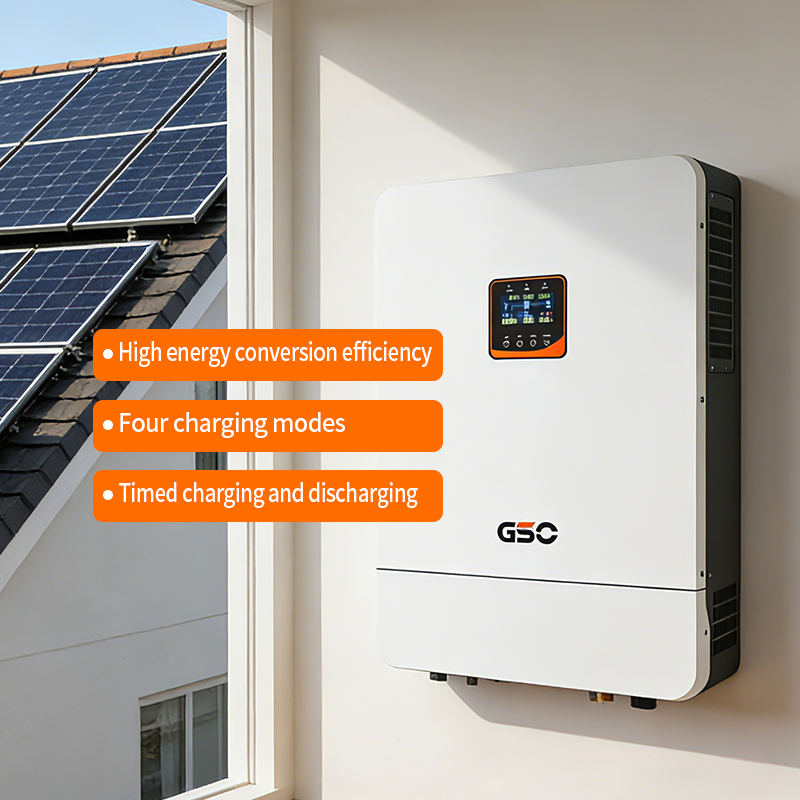
Firmware doesn’t act alone—system performance depends on the interplay between the BMS and the inverter, especially during PV charge cycles. A reliable solar power inverter that supports real-time communication enables coordinated charge setpoints, softer current ramps, and better thermal management during peak PV input. That coordination reduces balancing load and extends the time between active equalization windows—saving energy and limiting heat.
Real-world patterns and common mistakes
Field experience shows two recurring errors: over-reliance on passive balancing in large packs, and ignoring firmware updates that refine balancing behavior. Installers sometimes size systems around nominal capacity and forget that imbalance reduces usable kilowatt-hours. —A simple firmware tweak can shift when equalization runs and cut excess balancing cycles, preserving life without hardware changes. Regular monitoring of cell voltages, impedance, and SoC distribution is an inexpensive habit that prevents costly surprises.
Benefits you can measure
Smart BMS firmware translates to three measurable outcomes: longer pack cycle life, higher sustained usable capacity, and fewer safety interventions. Teams tracking metrics like cell voltage spread, internal resistance growth, and available runtime during outage drills can quantify firmware impact. These are not abstract gains—they show up as fewer replacements and clearer warranty support conversations with suppliers.
Choosing the right approach: three golden rules
1) Balancing method fit: Prefer active balancing for high-capacity whole-house packs; passive may suffice for small, low-cost modules. Look for firmware that supports both and can adapt as cells age.
2) SoC accuracy and diagnostics: Select systems with proven SoC algorithms (coulomb counting plus model correction) and easy access to cell-level telemetry. Accurate SoC prevents premature cutoffs and mis-scheduled equalization.
3) Interoperability and thermal control: Ensure the BMS communicates with the inverter and supports thermal management strategies. Systems that coordinate charging with the inverter and PV input reduce hot balancing events and extend life.
For homeowners and integrators aiming for long-term reliability, pairing smart BMS firmware with robust inverter hardware from gsopower naturally ties cell-level health to whole-system resilience—practical, measurable, and ready for real outages. —Worth paying attention to.