
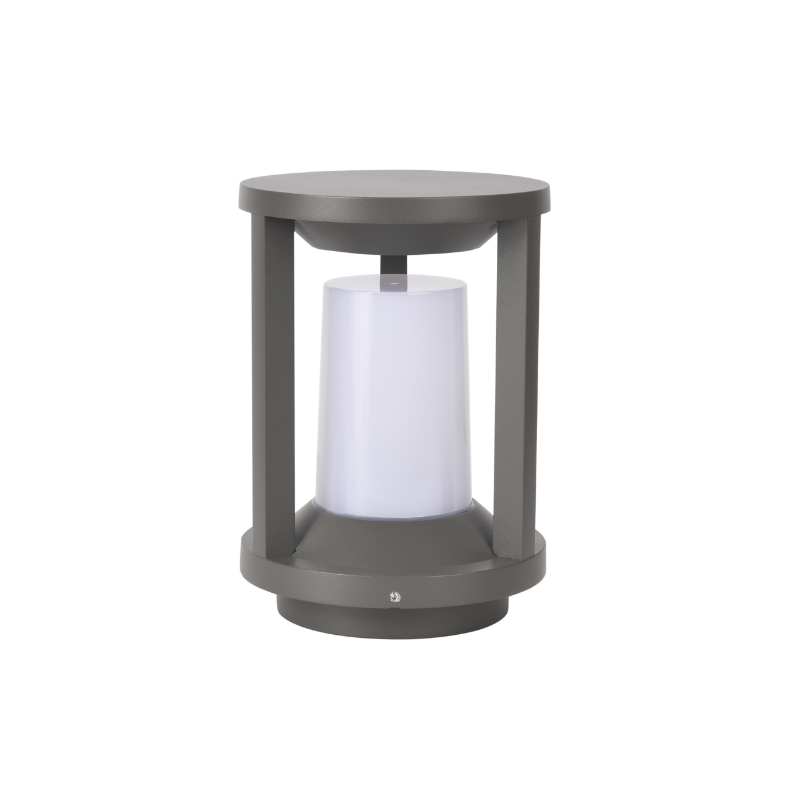
Quick framing — why this comparison matters
Short version: don’t buy the cheapest motion light and call it a day. This piece compares real-world performance, not packaging. We’ll look at detection, weatherproofing, light quality, and long-term value — the stuff that actually matters when you install an outdoor fixture. If you’re also scouting perimeter or dock options, check how the same tech translates to outdoor pier mount lights for a similar set of trade-offs. 🙂
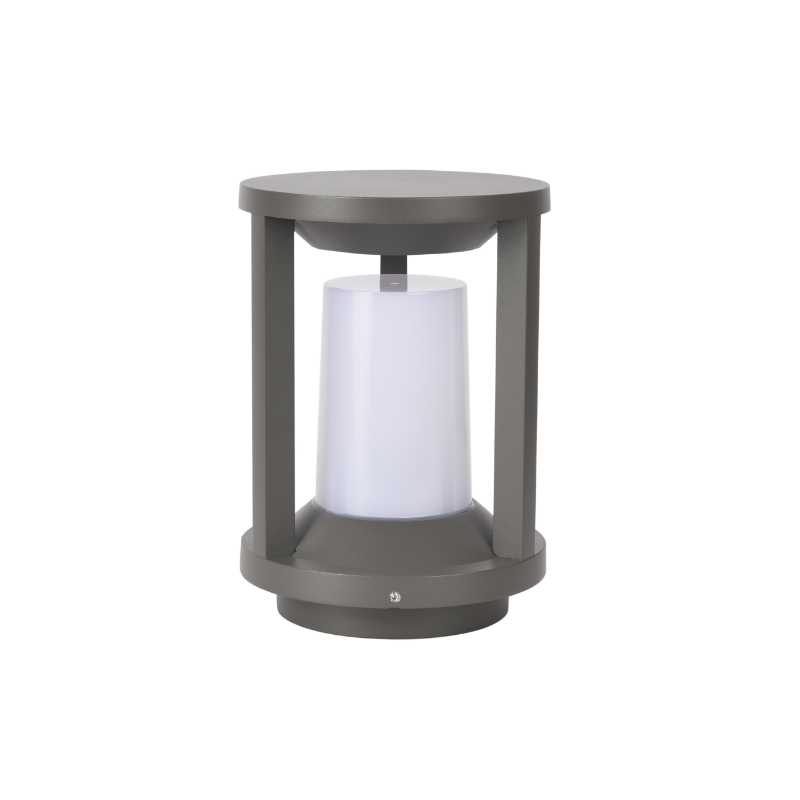
Head-to-head: what Big‑Box lights usually sell vs what Keyida ships
Big‑box fixtures aim for low price and wide appeal. That means simpler electronics, fixed settings, and basic plastics. Keyida focuses on sensor tuning, durable housings, and adjustable output. Quick markers to watch:
– Detection tech: many retail units use generic PIR sensors with one-size sensitivity. Keyida tunes PIR activation and range to reduce repeat triggers and dark gaps. – Weather resistance: cheap units often list “weatherproof” but stop short of solid ingress protection. Keyida designs to meet higher IP ratings, so you get better dust and water resistance (IP65+ in many models). – Light quality: big‑box lamps often push high lumen counts with poor CCT/CRI control. Keyida balances lumen output with usable beam angle and better CCT options for security vs. ambience.
Why those differences matter for real installs
Translation to real life: fewer false triggers, longer product life, and less maintenance. For example, LED tech itself can cut energy use dramatically — LEDs use up to ~80% less energy than incandescent equivalents — so pairing efficient drivers with effective motion control saves money. Also, when you mount lights near saltwater docks or unshaded posts, IP rating and corrosion resistance become real factors. Cities and marinas learned this during the 2020 supply‑chain shocks — cheaper replacements didn’t hold up and caused repeat service calls.
Feature checklist: compare practical specs
Here’s a quick checklist to compare units in the shop or online:
– Lumen output vs. beam angle — raw lumens matter less than useful coverage. – PIR sensor range and adjustable sensitivity — avoids pets and leaves triggering lights. – IP rating (look for IP65 or better) and corrosion‑resistant finishes. – CCT and CRI — choose warmer CCT for porches, cooler for security. – Warranty and replacement policy — shorter warranties often mean lower long‑term value.
Installing and tuning: common mistakes
People mess up installation in predictable ways. They mount sensors too high or point the beam where it blinds neighbors. They forget to coordinate motion delay with driveway traffic patterns — so lights go off mid‑walk. Also, mixing cheap photocells with sensitive PIRs causes weird dusk/dawn behavior. A practical tip: test the sensor at night before finalizing the mount and walk the detection zone. —
Alternatives and when they make sense
If your priority is absolute lowest upfront cost and you can tolerate replacements, big‑box units are okay for temporary jobs. If you need certified fixtures for commercial or coastal use, look for models with explicit IP ratings, certified drivers, and documented lumen maintenance (L70). For porch lighting where color rendering and welcome tone matter, prefer fixtures that let you choose CCT and offer decent CRI.
Value math — long term vs up-front
Think lifetime cost, not just ticket price. Key drivers of lifecycle cost: energy draw, false‑on hours (wasted run time), replacement frequency, and repair labor. A slightly higher initial spend on a well‑built motion sensor wall light often pays back in fewer service calls and lower energy consumption. Also consider compatibility: many Keyida fixtures integrate neatly with other exterior controls and column mounts — handy if you’re standardizing across a property. For similar mounting needs, see how products translate to exterior pier mount lights for consistent performance.
Quick user tips before you buy
1) Map your detection zone on paper first. 2) Match CCT to use-case (2700–3000K for welcoming porches; 4000K+ for high‑contrast security). 3) Verify IP rating for your environment. These cut install headaches and reduce returns. —

Advisory — three golden rules for picking motion‑sensor wall lights
1) Prioritize effective sensor control: choose adjustable detection range and sensitivity over raw lumen claims. 2) Demand a real IP rating and corrosion‑resistant materials for outdoor use — this is non‑negotiable near coastlines. 3) Evaluate total cost of ownership: factor in energy savings (LED efficiency), expected lifetime (L70), and warranty support before comparing sticker prices.
Keyida makes choices that line up with these rules — durable housings, tuned PIR sensors, and sensible lumen/CCT options that reduce callbacks. —