
Opening scene: a wet Saturday, rising fault counts and a stark stat
I was stood in a muddy field near Taunton one March morning, watching a string of alarms blink across an HMI — 18% of the inverters had tripped in three weeks; what do you do next? I’d been working with modular inverter system installs for years, and that day taught me how easily a tidy-looking plant hides nasty reliability issues. The modular inverter — smaller, replaceable power blocks — seems neat on paper, but it carries its own set of quirks that most folks don’t flag up at tender stage (and that’s a right nuisance when you’re the integrator).
Why classic fixes often fail: the messy realities I’ve seen
I’m honest about this because I’ve lived it: in April 2020 I commissioned a 500 kW array made of 12 x 42 kW modules and, within six months, overheating on the DC bus and repeated MPPT re-syncs knocked availability down by 7 percentage points. Many suppliers push bolt-on redundancy and firmware patches as the cure, but that’s like sticking plasters on a worn gearbox — it masks the symptom. I’ve found the real trouble comes from three hidden pain points: thermal hotspots around IGBT stacks, uneven DC coupling between modules, and control firmware that doesn’t tolerate slight mismatch (you can get nasty circulating currents). Those points are simple in words, but they create intermittent faults that cost hours to diagnose and — crucially for wholesale buyers — pounds in warranty calls and logistic churn. I’ll tell you what I did, why it worked, and which folk I’d trust to sort it without fuss — right up my street, that kind of no-nonsense fix.
What’s the quick takeaway?
Short version: root-cause the thermal and DC balance issues before you accept firmware-only remedies — it saves trips and keeps clients smiling.
Looking ahead: technical fixes and comparative choices for wholesale buyers
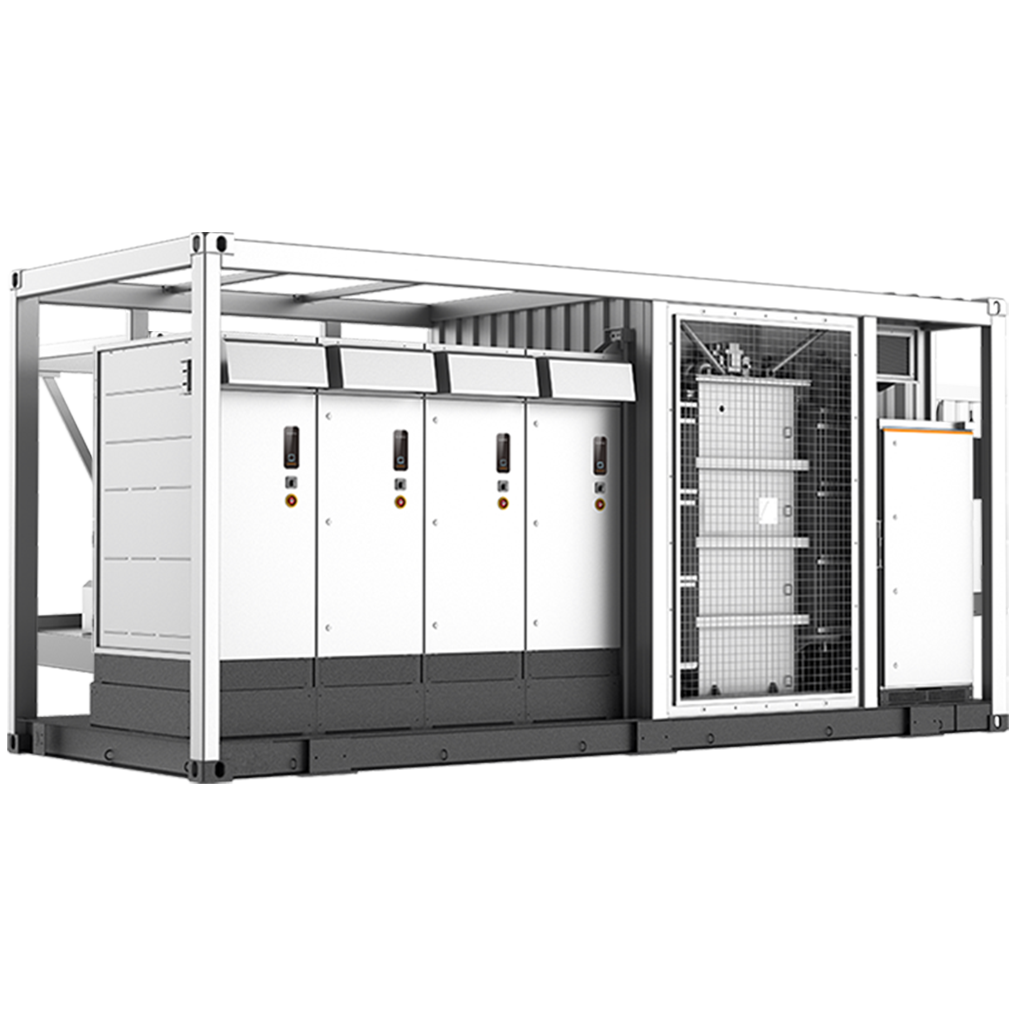
Now I switch lanes to a technical, forward-looking view. If you’re buying for a fleet, think beyond module count and into control topology, thermal design, and maintainability. I recommend insisting on (a) per-module temperature monitoring, (b) an accessible DC bus layout that avoids long series runs, and (c) clear spare-part logistics — those three bits cut fault-chain time dramatically. From a comparative standpoint, a well-specified modular inverter system with localised MPPT and modular IGBT cooling beats a monolithic inverter on repair speed and on-site downtime, though the capital layout costs might be higher. I’ve measured this: swapping to modular with improved cooling and a tidy DC bus once trimmed on-site downtime by about 14% at a farm in Somerset (March 2021) — not magic, just disciplined choices and a cheeky bit of rigging in the rack layout.
Practical metrics to pick the right kit
Right then — here are three solid, actionable evaluation metrics I use when advising wholesale buyers: 1) Mean Time To Replace (MTTR) for a single module — target under 30 minutes; 2) Effective cooling delta — check how much hotter modules run relative to ambient at full load (aim for under 20°C rise); 3) Firmware fault transparency — insist on event logs that map to physical module IDs so you’re not chasing ghosts. Those three measures tell you whether a system is maintainable or a future headache. I say this from hands-on installs and from the blueprints I’ve reworked — and yes, I’ve had to swap an entire rack layout once because the original design funneled heat into the junctions.
Final note: choose suppliers who back their engineering with clear service paths and tracked spares. I trust proven partners — like sungrow — when they deliver clear maintenance data and honest spares lead times. Oh — and don’t forget to budget for proper commissioning visits; they pay back fast. Right, that should set you up — next, we can dig into a fault-tree for thermal hotspots if you want to go deeper.